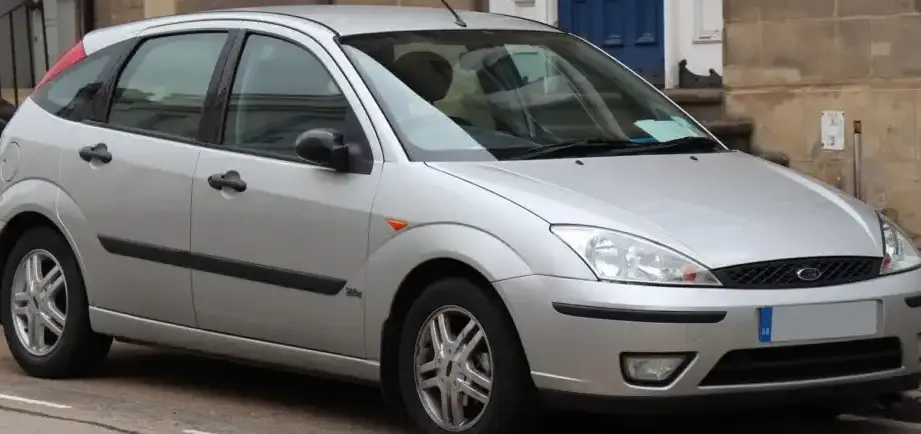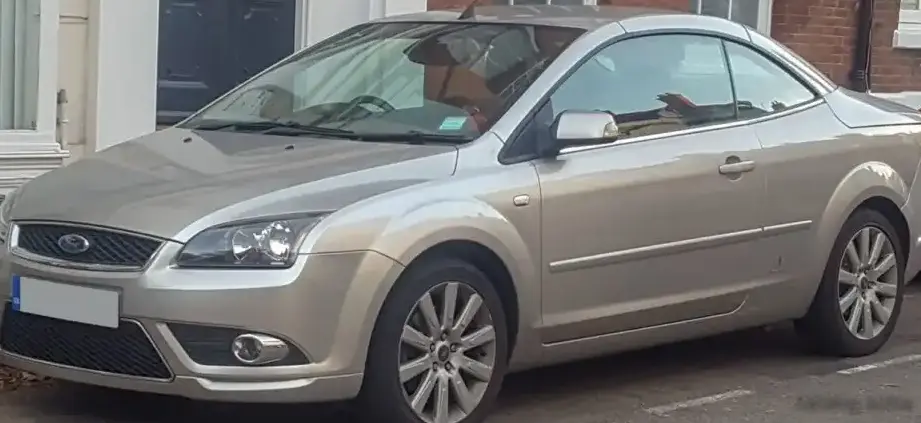
The Ford Focus Cabriolet II, produced between 2006 and 2010, represented Ford’s entry into the competitive small convertible market. This generation, based on the Mk2 Focus platform, aimed to offer open-air motoring with the practicality and affordability associated with the Focus nameplate. The 1.6 Duratec 16V (100 hp) variant occupied the entry-level position in the Cabriolet lineup, targeting buyers seeking a stylish and accessible convertible experience. It was positioned below the more powerful 2.0-liter Duratec engine option, offering a balance between fuel economy and reasonable performance.
Technical Specifications
| Brand | Ford |
| Model | Focus |
| Generation | Focus Cabriolet II |
| Type (Engine) | 1.6 Duratec 16V (100 Hp) |
| Start of Production | 2006 |
| End of Production | 2010 |
| Powertrain Architecture | Internal Combustion Engine |
| Body Type | Cabriolet |
| Seats | 4 |
| Doors | 2 |
| Fuel Type | Petrol (Gasoline) |
| Power | 100 Hp |
| Engine Model/Code | HWDA, HWDB, SHDA, SHDB, SHDC |
| Engine Aspiration | Naturally Aspirated |
| Engine Oil Capacity | 4.1 l (4.33 US qt | 3.61 UK qt) |
| Coolant Capacity | 5.5 l (5.81 US qt | 4.84 UK qt) |
| Drivetrain | Front Wheel Drive |
Powertrain & Engine Architecture
The heart of the Focus Cabriolet II 1.6 was the Duratec 16V engine, specifically the HWDA, HWDB, SHDA, SHDB, or SHDC variant depending on the specific market and year of production. This 1.6-liter, naturally aspirated engine utilized a cast iron block with an aluminum cylinder head. It featured a dual overhead camshaft (DOHC) design with four valves per cylinder, contributing to its relatively efficient breathing. Fuel delivery was managed by a multi-point fuel injection system, providing precise fuel metering for optimal combustion. The engine’s 100 horsepower output at 6,000 rpm and 109 lb-ft of torque at 4,000 rpm were respectable for its displacement and intended application. The engine was designed with simplicity and reliability in mind, eschewing complex technologies like direct injection or turbocharging. The engine was typically paired with a five-speed manual transmission, but a four-speed automatic transmission was also offered, and is the focus of this article. This automatic transmission, while providing convenience, was known for its less-than-sporty shift characteristics and a tendency to hunt for gears under heavy load.
Driving Characteristics
The 1.6-liter engine with the four-speed automatic transmission delivered a comfortable, if not exhilarating, driving experience. Acceleration was adequate for everyday driving, with a 0-60 mph time estimated around 11-12 seconds. The automatic transmission’s gear ratios were geared towards fuel efficiency rather than performance, resulting in a noticeable delay during kickdown and a less engaging driving feel compared to the manual transmission option. The power delivery was linear, but the engine lacked the low-end grunt of larger displacement engines. The automatic transmission, while smooth in normal driving conditions, could feel strained when climbing hills or attempting quick overtaking maneuvers. Compared to the 2.0-liter Duratec variant, the 1.6L automatic was significantly slower and less responsive. However, it offered a more relaxed and fuel-efficient driving experience, making it suitable for urban commuting and leisurely cruising.
Equipment & Trim Levels
The 1.6 Duratec Cabriolet typically came equipped with a reasonable level of standard features. These included power steering, air conditioning, an AM/FM radio with CD player, and electric front windows. Safety features such as dual front airbags and ABS brakes were also standard. Interior upholstery was typically cloth, with a relatively simple dashboard layout. Optional extras included alloy wheels, a leather steering wheel, upgraded audio systems, and parking sensors. Higher trim levels, such as the Style or Zetec, added features like air conditioning, alloy wheels, and upgraded interior trim as standard. The base 1.6L model was often seen as a blank canvas for buyers who wanted to personalize their convertible with optional extras.
Chassis & Braking
The Focus Cabriolet II utilized the Mk2 Focus’s independent front suspension with MacPherson struts and a multi-link rear suspension. However, the Cabriolet’s chassis was reinforced to compensate for the lack of a fixed roof, adding weight and slightly altering the handling characteristics. The front brakes were typically ventilated discs, while the rear brakes were often drum brakes on the base 1.6L model, although some variants featured rear discs. Stabilizer bars were fitted to both the front and rear axles to reduce body roll during cornering. The suspension tuning was geared towards comfort rather than outright sportiness, providing a relatively smooth ride over uneven surfaces. The steering was precise and well-weighted, offering a decent level of feedback to the driver.
Market Reception & Comparison
The Ford Focus Cabriolet II 1.6 Duratec was generally well-received as an affordable and stylish convertible. Critics praised its attractive design and comfortable ride, but noted the engine’s lack of outright performance, particularly when paired with the automatic transmission. Fuel economy was a strong point, with the 1.6L engine achieving around 30-35 mpg in mixed driving conditions. Compared to the 2.0-liter variant, the 1.6L offered better fuel economy but significantly less power. The 1.6L automatic was often seen as a compromise, offering convenience at the expense of performance. Competitors in the small convertible segment included the Renault Megane Coupe-Cabriolet and the Peugeot 206 CC, each offering a slightly different blend of style, performance, and price.
Legacy
The Ford Focus Cabriolet II 1.6 Duratec, while not a performance icon, has proven to be a relatively reliable and affordable used car. The Duratec engine is known for its durability, and the automatic transmission, while not the most sophisticated, is generally dependable with regular maintenance. Common issues include oil leaks and occasional sensor failures, but these are typically inexpensive to repair. Today, these cars represent a relatively inexpensive entry point into convertible ownership, appealing to buyers seeking a stylish and practical open-top car. The 1.6L automatic variant remains a popular choice for those prioritizing fuel economy and ease of use over outright performance, and a well-maintained example can still provide years of enjoyable motoring.