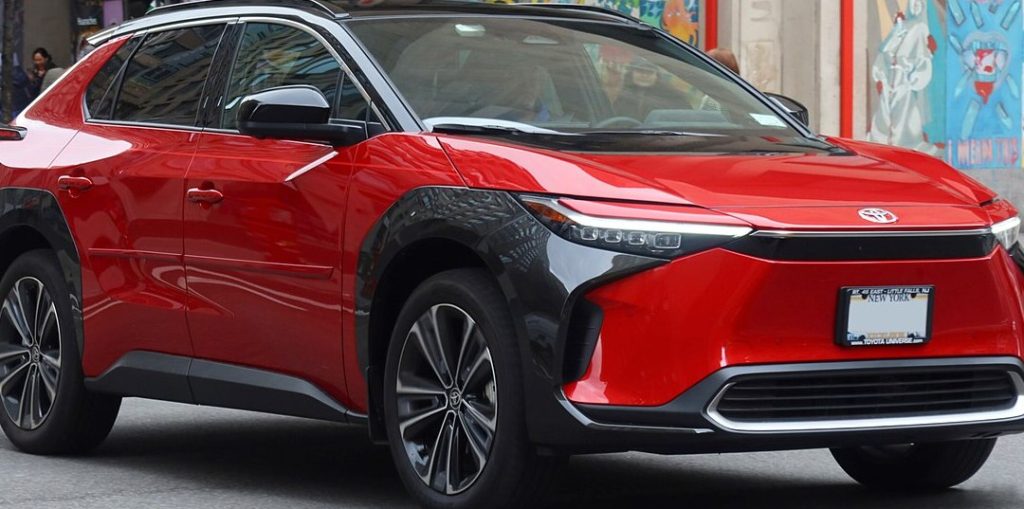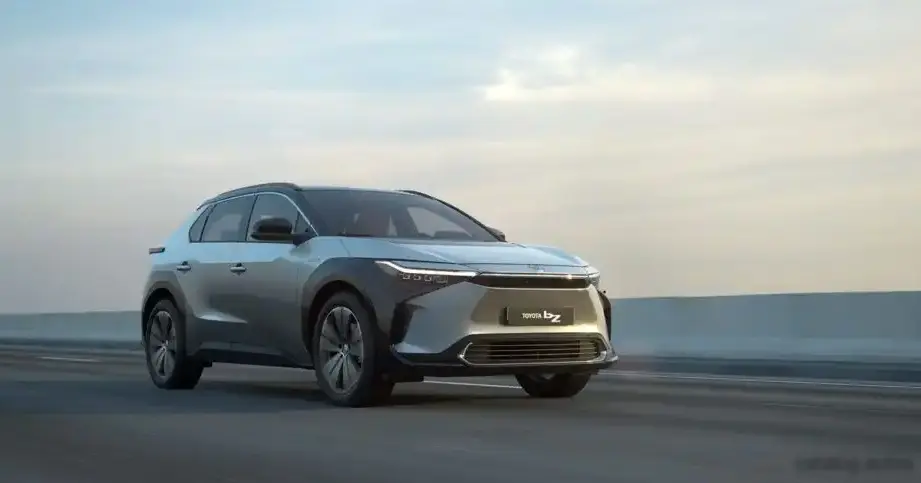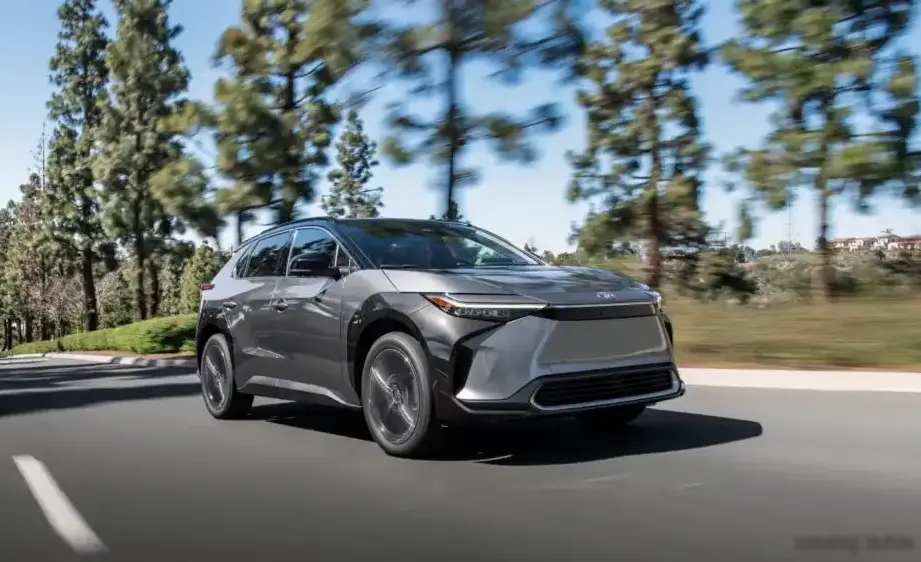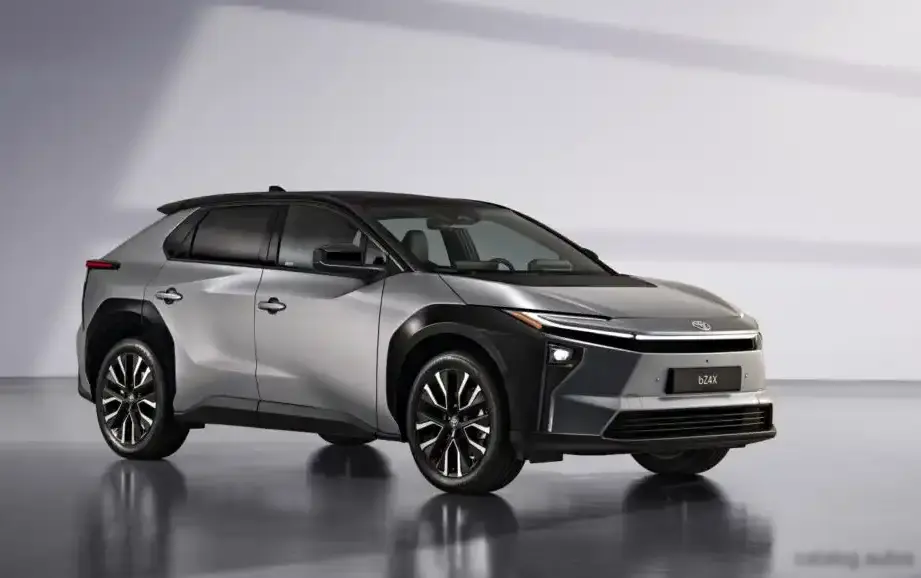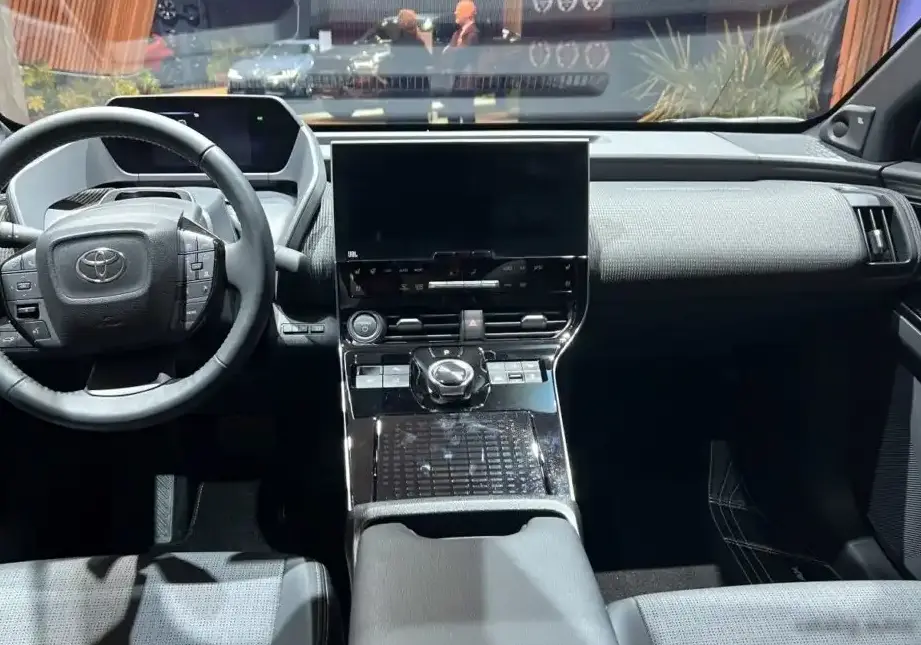
The Toyota bZ4X 71.4 kWh (218 Hp) BEV 4WD is an all-electric compact SUV produced by Toyota from July 2022 to July 2025. It represents Toyota’s first dedicated battery electric vehicle (BEV), developed in collaboration with Subaru (which markets a similar vehicle as the Solterra). The bZ4X is positioned as a key model in Toyota’s expanding lineup of electrified vehicles, aiming to compete in the rapidly growing EV market. It’s built on a new, dedicated EV platform – the e-TNGA – designed to maximize battery space and overall efficiency. This particular variant, equipped with the 71.4 kWh battery pack and dual-motor all-wheel drive system, represents the higher-performance end of the initial bZ4X range.
Technical Specifications
| Brand | Toyota |
| Model | bZ4X |
| Generation | bZ4X |
| Type (Engine) | 71.4 kWh (218 Hp) BEV 4WD |
| Start of production | July, 2022 |
| End of production | July, 2025 |
| Powertrain Architecture | BEV (Electric Vehicle) |
| Body type | SUV |
| Seats | 5 |
| Doors | 5 |
| Fuel Type | Electricity |
| Acceleration 0 – 100 km/h | 7.7 sec |
| Acceleration 0 – 62 mph | 7.7 sec |
| Acceleration 0 – 60 mph | 7.3 sec |
| Weight-to-power ratio | 9.2 kg/Hp |
| Hp/tonne | 108.7 Hp/tonne |
| Gross battery capacity | 71.4 kWh |
| All-electric range (WLTP) | 460 km (285.83 mi) |
| Electric motor power (Front) | 109 Hp |
| Electric motor location (Front) | Front axle, Transverse |
| Electric motor power (Rear) | 109 Hp |
| Electric motor location (Rear) | Rear axle, Transverse |
| System power | 218 Hp |
| Kerb Weight | 2005 kg (4420.27 lbs) |
| Max. weight | 2275 kg (5015.52 lbs) |
| Max load | 270 kg (595.25 lbs) |
| Length | 4690 mm (184.65 in) |
| Width | 1860 mm (73.23 in) |
| Height | 1650 mm (64.96 in) |
| Wheelbase | 2850 mm (112.2 in) |
| Minimum turning circle | 11.4 m (37.4 ft) |
| Drivetrain Architecture | One electric motor drives the front wheels, one electric motor drives the rear wheels. |
| Drive wheel | All wheel drive (4×4) |
| Front suspension | Spring Strut, Coil spring |
| Rear suspension | Double wishbone |
| Front brakes | Ventilated discs |
| Rear brakes | Ventilated discs |
| Assisting systems | ABS (Anti-lock braking system) |
| Steering type | Steering rack and pinion |
| Power steering | Electric Steering |
Powertrain & Engine Architecture
The bZ4X 71.4 kWh 4WD utilizes a dual-motor, all-wheel-drive powertrain. Each motor produces 109 horsepower, combining for a total system output of 218 horsepower and 258 lb-ft of torque. The motors are permanent magnet synchronous motors, known for their efficiency and power density. The 71.4 kWh lithium-ion battery pack is mounted under the floor, contributing to a low center of gravity and improved handling. The battery utilizes a liquid cooling system to maintain optimal operating temperatures. The vehicle employs a single-speed reduction gear for each axle, delivering power to all four wheels. The charging system supports both AC and DC fast charging, with DC fast charging capable of adding approximately 80% charge in around 30 minutes using a compatible charger. The bZ4X does not have a traditional internal combustion engine, and therefore lacks components like a fuel tank, exhaust system, or multi-speed transmission.
Driving Characteristics
The dual-motor all-wheel-drive configuration of the bZ4X 71.4 kWh provides confident traction and acceleration. The 0-60 mph time of approximately 7.3 seconds is respectable for an electric SUV. The instant torque delivery characteristic of electric motors provides brisk acceleration from a standstill. The bZ4X offers selectable drive modes, including Normal, Eco, and Sport, which adjust throttle response and steering feel. Compared to the single-motor, front-wheel-drive version, the 4WD variant offers significantly improved acceleration and handling, particularly in inclement weather. The low center of gravity contributes to stable cornering, although the steering feel is somewhat numb. The regenerative braking system allows for one-pedal driving in certain modes, enhancing efficiency and convenience.
Equipment & Trim Levels
The bZ4X 71.4 kWh 4WD was typically offered in higher trim levels, such as the Limited and XLE. Standard features generally included a 12.3-inch touchscreen infotainment system with wireless Apple CarPlay and Android Auto compatibility, a digital instrument cluster, heated and ventilated front seats, a power liftgate, and a suite of advanced driver-assistance systems (ADAS) including Toyota Safety Sense 3.0. Optional extras included a panoramic sunroof, premium audio system, and advanced parking assist features. Interior upholstery typically consisted of SofTex synthetic leather, with available color options. The dashboard layout is modern and minimalist, with a focus on ease of use.
Chassis & Braking
The bZ4X utilizes a MacPherson strut front suspension and a double-wishbone rear suspension, optimized for ride comfort and handling. The suspension tuning is geared towards providing a smooth and controlled ride. The vehicle is equipped with ventilated disc brakes on all four wheels, providing ample stopping power. The electronic braking system incorporates regenerative braking, which helps to recapture energy and extend range. The standard ABS (Anti-lock Braking System) enhances braking performance in emergency situations. The electric power steering system provides precise and responsive steering control.
Market Reception & Comparison
The Toyota bZ4X received mixed reviews upon its launch. Critics praised its spacious interior, comfortable ride, and advanced technology features. However, some criticisms were directed towards its somewhat bland styling, limited rear visibility, and occasionally unresponsive infotainment system. Compared to other electric SUVs in its class, such as the Tesla Model Y and Hyundai IONIQ 5, the bZ4X offered a competitive range and price point. Its fuel economy, measured in MPGe (miles per gallon equivalent), was comparable to other EVs in its segment. Reliability reports have been relatively limited due to the vehicle’s recent introduction, but early indications suggest a generally positive outlook.
Legacy
The Toyota bZ4X represents a significant step for Toyota in the electric vehicle market. As one of the first dedicated EVs from the automaker, it sets the stage for future electric models. The 71.4 kWh 4WD variant, with its increased performance and all-weather capability, is likely to hold its value well in the used car market. The long-term reliability of the battery pack and electric motors remains to be seen, but Toyota’s reputation for durability suggests a positive outlook. The bZ4X’s impact extends beyond its direct competitors, as it contributes to the broader adoption of electric vehicles and the transition towards a more sustainable transportation future.