
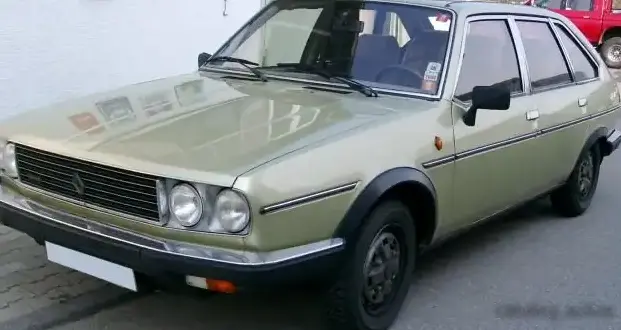
The Renault 30 TX, specifically the 2.6 TX (1278) variant produced between 1978 and 1983, represented the top-of-the-line offering within the Renault 30 range. Positioned as a spacious and comfortable family hatchback, the 30 aimed to compete with larger vehicles while maintaining a relatively compact footprint. This model, designated internally as the 127 series, was a significant departure for Renault, embracing a more modern and aerodynamic design compared to its predecessors. The 2.6 TX, with its larger engine and enhanced features, was intended to appeal to buyers seeking a blend of performance and practicality.
Technical Specifications
| Brand | Renault |
| Model | 30 |
| Generation | 30 (127) |
| Type (Engine) | 2.6 TX (1278) (143 Hp) |
| Start of production | 1978 |
| End of production | 1983 |
| Powertrain Architecture | Internal Combustion engine |
| Body type | Hatchback |
| Seats | 5 |
| Doors | 5 |
| Fuel consumption (urban) | 16.5 l/100 km (14.3 US mpg, 17.1 UK mpg, 6.1 km/l) |
| Fuel consumption (extra urban) | 8 l/100 km (29.4 US mpg, 35.3 UK mpg, 12.5 km/l) |
| Fuel Type | Petrol (Gasoline) |
| Maximum speed | 187 km/h (116.2 mph) |
| Power | 143 Hp |
| Engine Model/Code | Z7V |
| Engine aspiration | Naturally aspirated engine |
| Engine oil capacity | 5.8 l (6.13 US qt, 5.1 UK qt) |
| Coolant capacity | 9.8 l (10.36 US qt, 8.62 UK qt) |
| Fuel tank capacity | 67 l (17.7 US gal, 14.74 UK gal) |
Powertrain & Engine Architecture
The heart of the Renault 30 TX was the Z7V engine, a 2.6-liter (2664 cc) naturally aspirated inline-four cylinder gasoline engine. This engine was a significant upgrade from the smaller engines offered in lower trim levels of the Renault 30. The Z7V featured a cast iron block and an aluminum cylinder head, employing a single overhead camshaft (SOHC) valvetrain with two valves per cylinder. Fuel delivery was managed by a Bosch mechanical fuel injection system, a relatively sophisticated setup for the era, contributing to improved fuel efficiency and smoother power delivery compared to carbureted engines. The engine produced 143 horsepower at approximately 5800 rpm and 190 Nm (140 lb-ft) of torque at 3500 rpm. The engine was paired with a three-speed automatic transmission, which, while providing convenience, was often criticized for its relatively slow shift times and limited gear selection.
Driving Characteristics
The Renault 30 TX, with its 2.6-liter engine and automatic transmission, offered a comfortable and relaxed driving experience. Acceleration was adequate for the time, allowing for a 0-60 mph time of around 11-12 seconds, and a top speed of 116 mph. However, the automatic transmission did detract from the engine’s potential, resulting in a noticeable delay during overtaking maneuvers. The gear ratios were spaced to prioritize fuel economy and cruising comfort rather than outright performance. Compared to the manual transmission versions of the 30, the automatic felt noticeably slower and less engaging. The suspension, tuned for comfort, provided a smooth ride on most road surfaces, but could feel somewhat wallowy during spirited driving. The steering was light and easy, making it well-suited for urban driving, but lacked the precision desired by more enthusiastic drivers.
Equipment & Trim Levels
The 2.6 TX represented the highest trim level of the Renault 30. Standard equipment included power steering, central locking, electric windows, and a high-quality radio. The interior featured comfortable cloth upholstery, often in a patterned design, and a wood-trimmed dashboard. Optional extras included a sunroof, air conditioning, and upgraded sound systems. The TX also benefited from additional sound insulation, further enhancing the cabin’s refinement. The dashboard layout was driver-focused, with clearly labeled controls and a comprehensive instrument cluster. The seats were generously padded and offered good support, making long journeys more comfortable.
Chassis & Braking
The Renault 30 utilized a front-engine, front-wheel-drive layout. The suspension consisted of independent front suspension with MacPherson struts and a torsion beam rear axle. The braking system featured disc brakes on the front wheels and drum brakes on the rear wheels. While adequate for normal driving conditions, the rear drum brakes were a point of criticism, particularly when compared to the all-disc brake setups found on some competitors. The steering was a rack-and-pinion system, providing relatively light and precise control. Stabilizer bars were fitted to both the front and rear axles to reduce body roll during cornering.
Market Reception & Comparison
The Renault 30 TX was generally well-received by automotive critics, who praised its spacious interior, comfortable ride, and refined features. However, the automatic transmission was often criticized for its sluggish performance. Compared to other vehicles in its class, such as the Peugeot 604 and the Citroën CX, the Renault 30 offered a more affordable alternative, but lacked the same level of technological sophistication. Fuel economy was reasonable for the time, but not exceptional, averaging around 14-17 mpg in mixed driving conditions. Reliability was generally good, although the Bosch fuel injection system could require occasional maintenance. The 30 TX appealed to families and individuals who prioritized comfort and practicality over outright performance.
Legacy
The Renault 30, while not a massive sales success, remains a fondly remembered vehicle among enthusiasts. The 2.6 TX variant, in particular, is sought after for its combination of comfort, features, and relatively strong performance. The Z7V engine, while not known for its longevity, is generally reliable if properly maintained. Today, finding a well-preserved Renault 30 TX can be challenging, but they represent an interesting and affordable entry point into classic French motoring. Parts availability can be limited, but a dedicated community of owners and specialists exists to support the preservation of these vehicles. The Renault 30 paved the way for Renault’s future forays into the larger family car segment, and its innovative design and features continue to be appreciated by those who remember it.
