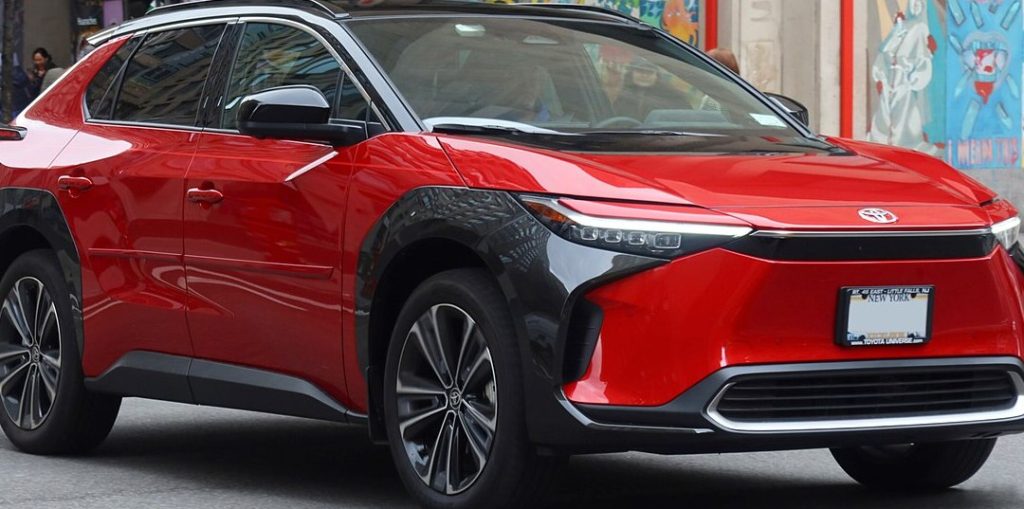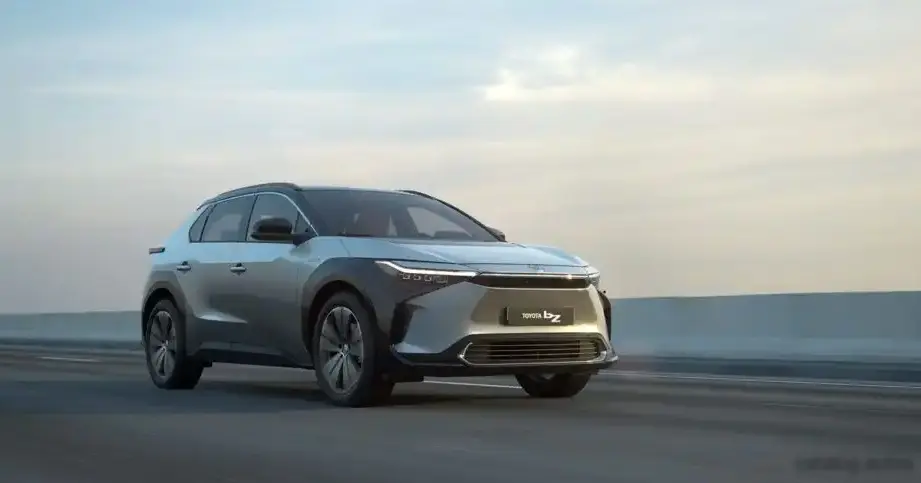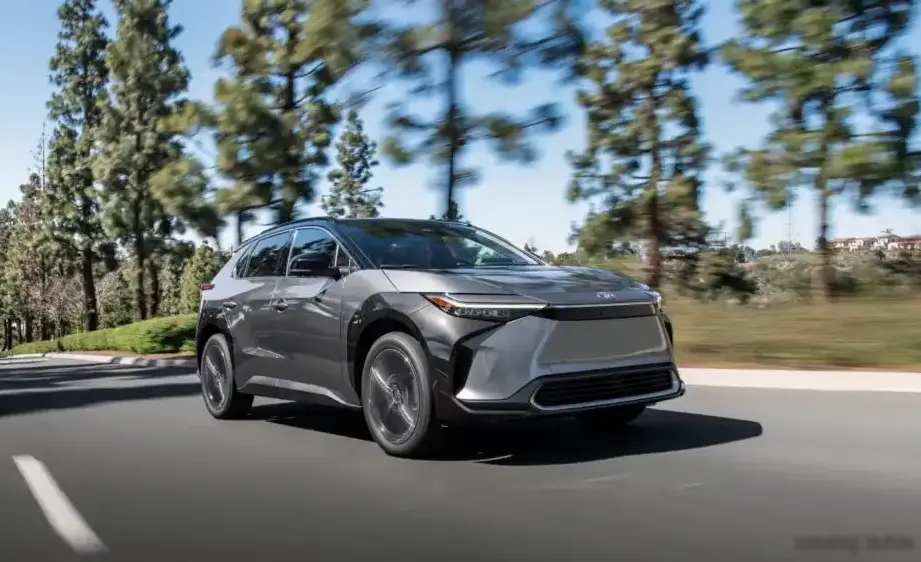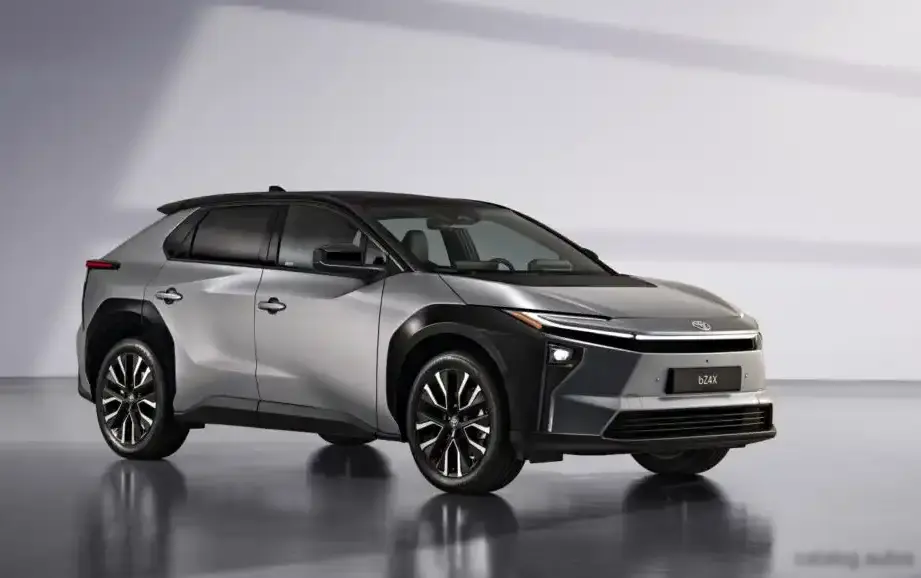
The Toyota bZ4X, specifically the facelifted 2025 model equipped with the 58 kWh battery pack and a single electric motor producing 167 horsepower, represents Toyota’s initial foray into a dedicated battery electric vehicle (BEV) platform. Production commenced in July 2025, building upon the foundation laid by the original bZ4X released in 2022. This variant is positioned as the entry-level offering within the bZ4X lineup, aiming to provide a more accessible price point for consumers interested in electric mobility. It shares the same basic architecture – the e-TNGA platform co-developed with Subaru – as other bZ4X trims, but distinguishes itself through its battery capacity and resulting range.
Technical Specifications
| Brand | Toyota |
| Model | bZ4X |
| Generation | bZ4X (facelift 2025) |
| Type (Engine) | 58 kWh (167 Hp) BEV |
| Start of production | July, 2025 |
| Powertrain Architecture | BEV (Electric Vehicle) |
| Body type | SUV |
| Seats | 5 |
| Doors | 5 |
| Fuel Type | Electricity |
| Acceleration 0 – 100 km/h | 8.6 sec |
| Acceleration 0 – 62 mph | 8.6 sec |
| Acceleration 0 – 60 mph | 8.2 sec |
| Maximum speed | 140 km/h (86.99 mph) |
| Weight-to-power ratio | 12.1 kg/Hp, 82.9 Hp/tonne |
| Weight-to-torque ratio | 7.5 kg/Nm, 133.1 Nm/tonne |
| Gross battery capacity | 58 kWh |
| Battery technology | Lithium-ion (Li-Ion) |
| Battery location | Below the floor |
| All-electric range (WLTP) | 444 km (275.89 mi) |
| Average Energy consumption (WLTP) | 13.5 kWh/100 km (21.73 kWh/100 mi) |
| MPGe | 155 |
| km/kWh | 7.4 |
| mi/kWh | 4.6 |
| Electric motor power | 167 Hp |
| Electric motor Torque | 268 Nm (197.67 lb.-ft.) |
| Electric motor location | Front axle, Transverse |
| Electric motor type | Synchronous |
| System power | 167 Hp |
| System torque | 268 Nm (197.67 lb.-ft.) |
| Kerb Weight | 2014 kg (4440.11 lbs.) |
| Max. weight | 2465 kg (5434.39 lbs.) |
| Max load | 451 kg (994.28 lbs.) |
| Trunk (boot) space – minimum | 452 l (15.96 cu. ft.) |
| Max. roof load | 75 kg (165.35 lbs.) |
| Permitted trailer load with brakes (12%) | 750 kg (1653.47 lbs.) |
| Permitted trailer load without brakes | 750 kg (1653.47 lbs.) |
| Permitted towbar download | 75 kg (165.35 lbs.) |
| Length | 4690 mm (184.65 in.) |
| Width | 1860 mm (73.23 in.) |
| Height | 1650 mm (64.96 in.) |
| Wheelbase | 2850 mm (112.2 in.) |
| Front overhang | 915 mm (36.02 in.) |
| Rear overhang | 925 mm (36.42 in.) |
| Ride height (ground clearance) | 201 mm (7.91 in.) |
| Approach angle | 17° |
| Departure angle | 25° |
| Drivetrain Architecture | One electric motor drives the front wheels. |
| Drive wheel | Front wheel drive |
| Number of gears and type of gearbox | 1 gears, automatic transmission |
| Front brakes | Ventilated discs |
| Rear brakes | Ventilated discs |
| Assisting systems | ABS (Anti-lock braking system) |
| Steering type | Steering rack and pinion |
| Power steering | Electric Steering |
| Wheel rims size | 18 |
Powertrain & Engine Architecture
The 2025 bZ4X 58 kWh utilizes a permanent magnet synchronous motor driving the front wheels. This motor delivers 167 horsepower and 268 Nm (197.67 lb.-ft.) of torque. The 58 kWh lithium-ion battery pack is positioned under the floor of the vehicle, contributing to a low center of gravity and improved handling. The battery utilizes a liquid cooling system to maintain optimal operating temperatures. The single-speed automatic transmission is a direct-drive system, typical of most BEVs, maximizing efficiency by eliminating the energy losses associated with multiple gears. The power electronics and inverter are integrated into the powertrain to manage the flow of energy between the battery, motor, and other vehicle systems.
Driving Characteristics
The front-wheel-drive configuration of this bZ4X variant results in a driving experience focused on efficiency and ease of use. Acceleration from 0 to 60 mph takes approximately 8.2 seconds, which is adequate for everyday driving but noticeably slower than the all-wheel-drive versions or those equipped with the larger battery pack. The single-speed transmission provides smooth, linear acceleration. While lacking the dynamic flair of some performance-oriented EVs, the bZ4X offers a comfortable and predictable ride. Regenerative braking is adjustable, allowing drivers to tailor the level of deceleration when lifting off the accelerator, enhancing energy recapture and extending range.
Equipment & Trim Levels
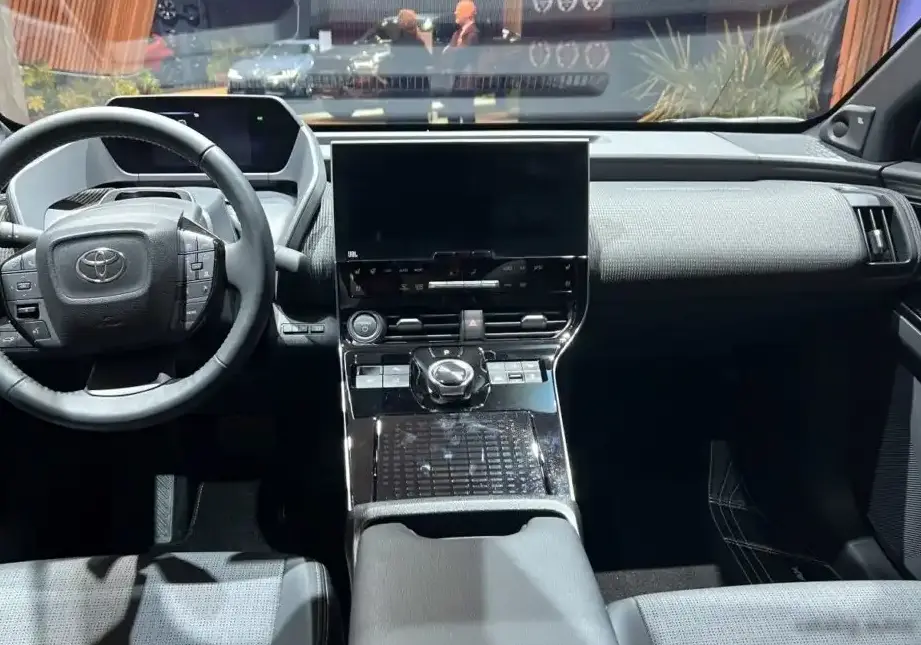
The base 58 kWh bZ4X typically comes standard with features such as an 8-inch touchscreen infotainment system, Apple CarPlay and Android Auto compatibility, Toyota Safety Sense 3.0 (including features like pre-collision system with pedestrian detection, lane departure alert with steering assist, and dynamic radar cruise control), and automatic climate control. Interior upholstery is generally cloth, with options for synthetic leather upgrades on higher trims. Available optional extras include a larger 12.3-inch touchscreen, heated and ventilated front seats, a panoramic sunroof, and a premium audio system. The 2025 facelift may include updated interior materials and technology features compared to earlier models.
Chassis & Braking
The bZ4X utilizes a MacPherson strut front suspension and a multi-link rear suspension. The suspension is tuned for comfort, prioritizing ride quality over sporty handling. The 58 kWh variant, being lighter than its larger-battery counterparts, may exhibit slightly more nimble handling. Braking duties are handled by ventilated discs on all four wheels, providing adequate stopping power. Anti-lock braking system (ABS) and electronic brake-force distribution (EBD) are standard safety features. The steering system is an electric power-assisted rack and pinion setup, offering light and precise steering feel.
Market Reception & Comparison
The bZ4X, and specifically the 58 kWh variant, has received mixed reviews. Critics generally praise its comfortable ride, spacious interior, and standard safety features. However, some have noted its relatively slow acceleration compared to competitors, and the limited range of the 58 kWh battery pack. Compared to the long-range, all-wheel-drive bZ4X, the 58 kWh model offers a more affordable entry point but sacrifices performance and range. Competitors in the same segment include the Hyundai IONIQ 5, Kia EV6, and Tesla Model Y, all of which offer varying levels of performance, range, and features.
Legacy
The long-term reliability of the bZ4X powertrain remains to be fully established, as it is a relatively new vehicle. Early reports suggest that the electric motor and battery pack are proving to be durable, but ongoing monitoring is necessary. In the used car market, the 58 kWh bZ4X is expected to appeal to budget-conscious buyers seeking an affordable electric SUV. Its relatively simple powertrain and readily available parts should contribute to reasonable maintenance costs. As battery technology continues to evolve, the 58 kWh battery pack may eventually become a limiting factor in its resale value, but it remains a viable option for those prioritizing affordability and environmental consciousness.