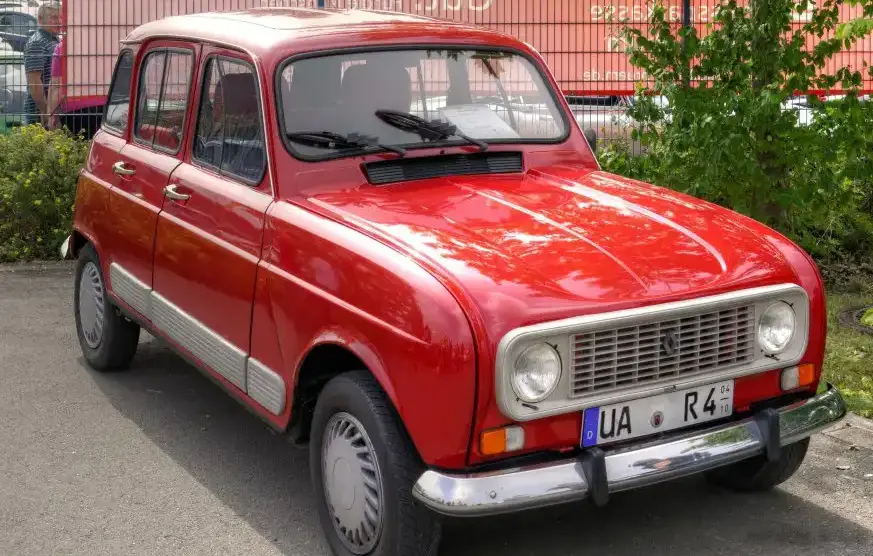
The Renault 4 0.8, producing 34 horsepower, represents a foundational variant of the iconic Renault 4, manufactured between 1971 and 1988. This model occupied the entry-level position within the broader Renault 4 range, serving as the most accessible and economical option for a wide demographic. The Renault 4, internally designated as the R4, was a significant vehicle for Renault, embodying a philosophy of simplicity, practicality, and affordability. It was built upon a monocoque chassis, a relatively advanced construction technique for its time, and quickly became a popular choice in Europe, and beyond, particularly in developing markets. The 0.8-liter version was crucial to establishing the R4’s reputation as a ‘people’s car’.
Technical Specifications
| Brand | Renault |
| Model | 4 |
| Generation | 4 |
| Type (Engine) | 0.8 (34 Hp) |
| Start of Production | 1971 |
| End of Production | 1988 |
| Powertrain Architecture | Internal Combustion Engine |
| Body Type | Hatchback |
| Seats | 5 |
| Doors | 5 |
| Fuel Type | Petrol (Gasoline) |
| Power | 34 Hp |
| Engine Model/Code | 800-05 |
| Engine Aspiration | Naturally Aspirated |
| Engine Oil Capacity | 2.5 l (2.64 US qt | 2.2 UK qt) |
| Coolant Capacity | 5.5 l (5.81 US qt | 4.84 UK qt) |
| Fuel Tank Capacity | 26 l (6.87 US gal | 5.72 UK gal) |
Powertrain & Engine Architecture
The heart of the Renault 4 0.8 is the 800-05 engine, a 782cc (47.7 cubic inch) inline-four cylinder petrol engine. This engine is characterized by its simplicity and robustness. It features a single overhead valve (OHV) valvetrain, operating with two valves per cylinder. The engine utilizes a Solex carburetor for fuel delivery, a common setup for vehicles of this era, prioritizing ease of maintenance over outright performance. The 800-05 engine is a naturally aspirated design, meaning it does not employ a turbocharger or supercharger. Power is transmitted to the front wheels via a three-speed manual gearbox, a standard feature on this variant. The engine’s relatively low compression ratio (around 8.5:1) contributes to its ability to run on lower octane fuels, a significant advantage in many markets where fuel quality was variable. The engine block is constructed from cast iron, providing durability, while the cylinder head is made of aluminum alloy to reduce weight.
Driving Characteristics
The Renault 4 0.8, with its modest 34 horsepower, was never intended to be a performance vehicle. Its driving experience is defined by its relaxed pace and ease of operation. Acceleration is slow, particularly when fully loaded, and highway speeds require careful planning. The three-speed gearbox necessitates frequent shifting, but the gear changes are light and precise. The car’s lightweight construction (around 790 kg or 1742 lbs) helps to mitigate the effects of the low power output. The suspension, consisting of independent front suspension with trailing arms and a torsion bar, and a non-independent rear suspension, provides a comfortable ride, absorbing bumps and imperfections in the road surface effectively. Steering is relatively light, making it easy to maneuver in urban environments. Compared to later, more powerful Renault 4 variants (such as the 1.1-liter models), the 0.8-liter version feels significantly slower, but it offers a more economical and forgiving driving experience. The lack of power steering, common on this base model, requires a bit more effort at low speeds.
Equipment & Trim Levels
The Renault 4 0.8 was positioned as the most basic trim level, reflecting its affordability. Standard equipment was minimal, focusing on essential functionality. The interior typically featured vinyl upholstery, a simple dashboard with basic instrumentation (speedometer, fuel gauge), and rubber floor mats. Door panels were often made of simple molded plastic. Optional extras were limited, but could include a heater, a radio, and upgraded seat upholstery. The exterior trim was also basic, with unpainted steel wheels, chrome bumpers, and minimal brightwork. The overall aesthetic was utilitarian, prioritizing practicality over luxury. Later models within the production run saw minor cosmetic updates, such as revised grille designs and updated interior trim materials, but the fundamental simplicity of the 0.8-liter variant remained consistent.
Chassis & Braking
The Renault 4’s chassis is a monocoque construction, providing a good balance of strength and lightness. The front suspension utilizes independent trailing arms with a torsion bar, offering a relatively comfortable ride. The rear suspension is a simpler, non-independent setup with trailing arms and coil springs. Braking on the Renault 4 0.8 is accomplished via drum brakes on all four wheels. While adequate for the car’s performance capabilities, the drum brakes lack the stopping power and fade resistance of disc brakes. Steering is a worm-and-roller system, providing a relatively direct feel, although it lacks power assistance. The car’s relatively narrow tires contribute to a modest level of grip. The overall chassis and braking setup were designed for durability and ease of maintenance, rather than high-performance handling.
Market Reception & Comparison
The Renault 4 0.8 was widely praised for its affordability, fuel efficiency, and practicality. Critics recognized it as an ideal vehicle for first-time car buyers, urban commuters, and those seeking a reliable and economical mode of transportation. Compared to other vehicles in its class, such as the Citroën 2CV, the Renault 4 offered a more modern design and a slightly more refined driving experience. However, the 2CV was often considered to be more robust and capable in challenging terrain. The 0.8-liter engine’s fuel economy was a significant selling point, averaging around 45-50 miles per gallon. Reliability was generally good, although the carburetor required periodic adjustment and maintenance. Compared to the later 1.1-liter Renault 4 variants, the 0.8-liter model offered lower running costs but sacrificed performance. The 1.1-liter models were better suited for highway driving and carrying heavier loads.
Legacy
The Renault 4 0.8, and the Renault 4 as a whole, holds a significant place in automotive history. It was a groundbreaking vehicle that democratized car ownership, making personal transportation accessible to a wider segment of the population. The 800-05 engine, while simple, proved to be remarkably durable, and many examples are still running today. In the used car market, the Renault 4 0.8 is valued for its simplicity, affordability, and nostalgic appeal. Parts availability can be a challenge, but a dedicated community of enthusiasts ensures that spare parts and technical expertise remain accessible. The Renault 4’s influence can be seen in subsequent generations of small, economical cars, and it remains a beloved classic among automotive collectors and enthusiasts. Its enduring popularity is a testament to its timeless design and enduring practicality.