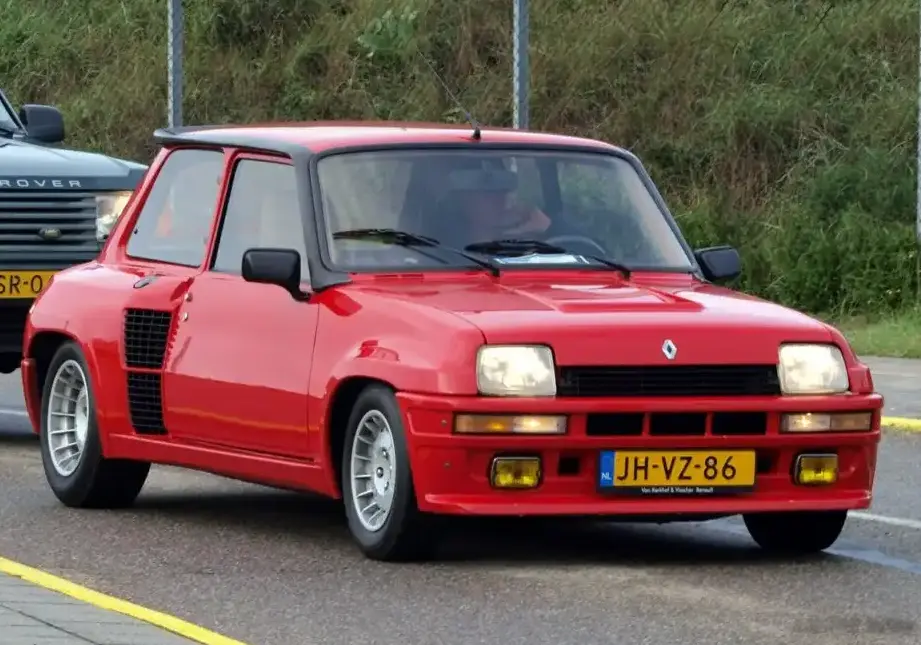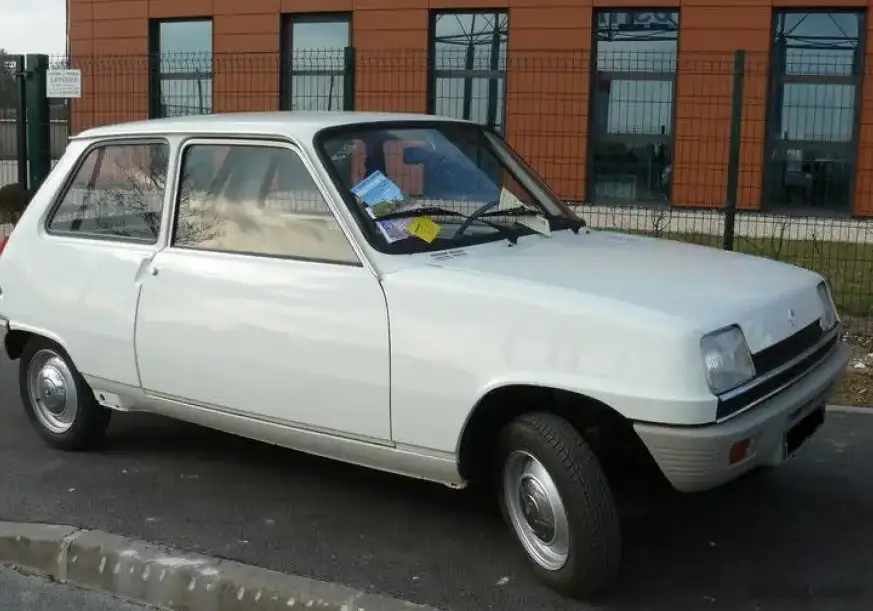
The Renault 5 1.0, producing 44 horsepower, represents the entry point into the hugely popular Renault 5 range, manufactured between 1972 and 1985. This variant was a cornerstone of Renault’s strategy to offer affordable and practical transportation to the masses, particularly in Europe. Positioned as the most economical and accessible version of the R5, it played a significant role in democratizing car ownership during the 1970s and early 1980s. The 1.0-liter model was a key component of the first generation Renault 5 (R5), known internally as the R1300 series, and was instrumental in establishing the R5 as a cultural icon.
Technical Specifications
| Brand | Renault |
| Model | 5 |
| Generation | 5 |
| Type (Engine) | 1.0 (44 Hp) |
| Start of production | 1972 |
| End of production | 1985 |
| Powertrain Architecture | Internal Combustion engine |
| Body type | Hatchback |
| Seats | 4 |
| Doors | 3 |
| Fuel Type | Petrol (Gasoline) |
| Power | 44 Hp |
| Engine Model/Code | 689 |
| Engine aspiration | Naturally aspirated engine |
| Engine oil capacity | 3.25 l / 3.43 US qt / 2.86 UK qt |
| Coolant capacity | 6.3 l / 6.66 US qt / 5.54 UK qt |
| Fuel tank capacity | 38 l / 10.04 US gal / 8.36 UK gal |
Powertrain & Engine Architecture
The Renault 5 1.0 was powered by the 689 engine, a 956cc (58.3 cubic inch) inline-four cylinder petrol engine. This engine was a simple, robust design featuring a single overhead camshaft (SOHC) and a two-valve per cylinder configuration. It utilized a Solex carburetor for fuel delivery, a common setup for vehicles of this era aiming for affordability and ease of maintenance. The engine’s relatively low compression ratio (typically around 8.8:1) contributed to its ability to run on lower octane fuel, further reducing running costs. The 689 engine was known for its durability, though it wasn’t particularly powerful. The engine was typically paired with a four-speed manual gearbox, although a three-speed automatic transmission was offered as an option, albeit less common. The automatic transmission, while providing convenience, further reduced acceleration performance.
Driving Characteristics
The 1.0-liter Renault 5 was not designed for outright speed. With only 44 horsepower on tap, acceleration was leisurely, and overtaking required careful planning. The 0-60 mph time was estimated to be around 18-20 seconds, making it significantly slower than higher-powered versions of the R5, such as the Gordini or the 1.4-liter models. However, the car’s lightweight construction (around 780-830 kg or 1720-1830 lbs) meant it felt reasonably nimble in urban environments. The four-speed manual gearbox offered a decent spread of ratios, allowing the driver to keep the engine in its optimal power band. The optional automatic transmission, while convenient, resulted in noticeable power loss and sluggish performance. The suspension, while basic, provided a comfortable ride on most road surfaces, prioritizing practicality over sporty handling. Steering was light and easy, making it ideal for city driving and parking.
Equipment & Trim Levels
The Renault 5 1.0 was typically offered in a basic trim level, reflecting its position as the entry-level model. Standard features included cloth upholstery, vinyl floor covering, and basic instrumentation consisting of a speedometer, fuel gauge, and temperature gauge. The dashboard was typically constructed from hard plastic, emphasizing durability and cost-effectiveness. Optional extras included a radio, heated rear window, and upgraded upholstery. Later models saw the introduction of minor cosmetic enhancements, such as different wheel covers and interior trim options. The overall interior design was functional and minimalist, prioritizing space and practicality over luxury.
Chassis & Braking
The Renault 5 featured a monocoque chassis with independent front suspension using MacPherson struts and a torsion beam rear suspension. This setup provided a reasonable balance between ride comfort and handling. Braking was initially accomplished with drum brakes on all four wheels, although later models often featured front disc brakes for improved stopping power. The braking system was adequate for the car’s performance capabilities, but lacked the sophistication of more modern systems. Steering was rack and pinion, providing light and precise control. The car’s relatively small size and light weight contributed to its maneuverability.
Market Reception & Comparison
The Renault 5 1.0 was widely praised for its affordability, fuel efficiency, and practicality. It quickly became a popular choice for first-time car buyers, students, and families on a budget. Critics acknowledged its lack of performance but appreciated its ease of driving and low running costs. Compared to other small cars of the era, such as the Fiat 127 or the Mini, the Renault 5 offered a more spacious interior and a more modern design. The 1.4-liter Renault 5 offered significantly more power and performance, but at a higher price point. The 1.4 was aimed at drivers who wanted a more engaging driving experience, while the 1.0 catered to those prioritizing economy and practicality. Fuel economy was a key selling point, with the 1.0-liter engine achieving around 45-50 mpg in typical driving conditions.
Legacy
The Renault 5 1.0, while not the most powerful or glamorous version of the R5, played a crucial role in the model’s success. Its affordability and practicality made it accessible to a wide range of buyers, contributing to the R5’s status as one of the best-selling cars in Europe during the 1970s and 1980s. The 689 engine proved to be remarkably durable, and many examples are still on the road today. In the used car market, the 1.0-liter Renault 5 is often sought after by enthusiasts looking for a classic and affordable French car. Its simplicity and ease of maintenance make it a popular choice for restoration projects. The Renault 5 1.0 remains a beloved icon of a bygone era, representing a time when cars were simple, affordable, and fun to drive.