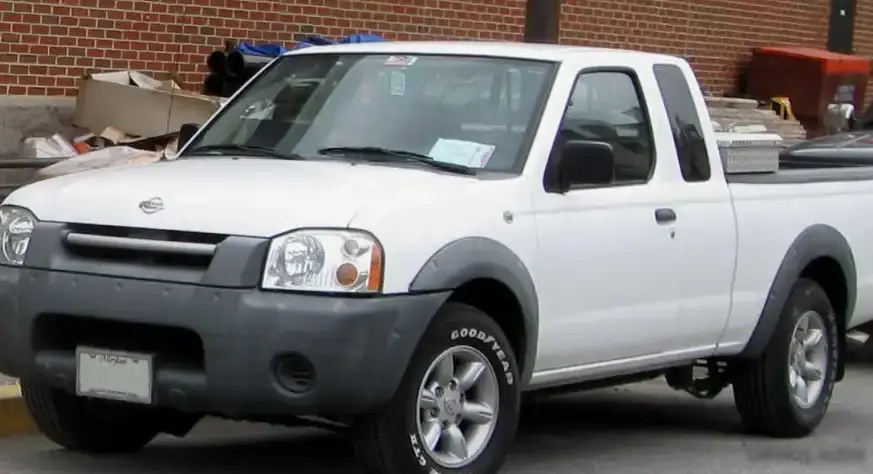
The Nissan Frontier I Crew Cab Long (D22) Desert Runner, specifically the 3.3 V6 4×4 Automatic variant produced from 2002 to 2004, represented a significant offering in the mid-size pickup truck segment within the North American market. This model was part of the D22 generation Frontier, which underwent a facelift in 2000, introducing updated styling and features. The Desert Runner trim, positioned as a more rugged and off-road oriented package, combined the practicality of the Crew Cab with a potent V6 engine and a four-wheel-drive system. It aimed to appeal to buyers seeking a versatile truck capable of both daily driving and recreational pursuits.
Technical Specifications
| Brand | Nissan |
| Model | Frontier |
| Generation | Frontier I Crew Cab Long (D22, facelift 2000) |
| Type | Desert Runner 3.3 V6 (210 Hp) 4×4 Automatic |
| Start of production | 2002 |
| End of production | 2004 |
| Powertrain Architecture | Internal Combustion engine |
| Body type | Pick-up |
| Seats | 4 |
| Doors | 4 |
| Fuel Type | Petrol (Gasoline) |
| Power | 210 Hp @ 4800 rpm |
| Power per litre | 64.1 Hp/l |
| Torque | 313 Nm / 230.86 lb.-ft. |
| Engine Model/Code | VG33ER |
| Engine displacement | 3275 cm3 / 199.85 cu. in. |
| Number of cylinders | 6 |
| Engine configuration | V-engine |
| Cylinder Bore | 91.5 mm / 3.6 in. |
| Piston Stroke | 83 mm / 3.27 in. |
| Number of valves per cylinder | 4 |
| Engine aspiration | Supercharger, Intercooler |
| Valvetrain | SOHC |
| Engine oil capacity | 3.3 l / 3.49 US qt | 2.9 UK qt |
| Coolant | 11 l / 11.62 US qt | 9.68 UK qt |
| Fuel tank capacity | 73.4 l / 19.39 US gal | 16.15 UK gal |
| Length | 5532 mm / 217.8 in. |
| Width | 1808 mm / 71.18 in. |
| Height | 1687 mm / 66.42 in. |
| Wheelbase | 3330 mm / 131.1 in. |
| Front track | 1525 mm / 60.04 in. |
| Rear track | 1507 mm / 59.33 in. |
| Drive wheel | All wheel drive (4×4) |
| Number of gears | 4 |
| Gearbox type | automatic transmission |
| Front suspension | Double wishbone |
| Rear suspension | Leaf spring |
| Front brakes | Ventilated discs |
| Rear brakes | Drum |
| Tires size | 265/70 R15; 265/70 R16; 265/55 R17 |
| Wheel rims size | 7.0J x 15; 7.0J x 16; 7.0J x 17 |
Powertrain & Engine Architecture
The heart of the 2002-2004 Nissan Frontier Desert Runner was the VG33ER 3.3-liter V6 engine. This engine, a member of Nissan’s VG series, was notable for its robust construction and relatively simple design. It featured a single overhead camshaft (SOHC) valvetrain with four valves per cylinder. The VG33ER was equipped with a supercharger and intercooler, boosting power output to 210 horsepower at 4800 rpm and 313 Nm (230.86 lb.-ft.) of torque. Fuel delivery was managed by a multi-port fuel injection system. The engine’s design prioritized low-end torque, making it well-suited for off-road driving and hauling. The automatic transmission was a four-speed unit, chosen for its ease of use and suitability for a wider range of drivers. While not as fuel-efficient as a manual transmission, it provided smooth shifting and reduced driver fatigue.
Driving Characteristics
The combination of the 3.3L V6 and the four-speed automatic transmission in the Desert Runner provided a balanced driving experience. Acceleration was adequate for everyday driving, though not particularly sporty. The supercharger provided a noticeable boost in power, especially at lower RPMs, which was beneficial for navigating challenging terrain. The automatic transmission’s gear ratios were tuned for practicality rather than performance, prioritizing towing capacity and off-road crawl ratios. Compared to the five-speed manual transmission available on other Frontier models, the automatic offered less driver engagement but greater convenience. The 4×4 system, typically a part-time system, allowed the driver to switch between two-wheel drive and four-wheel drive as needed, enhancing traction in slippery conditions.
Equipment & Trim Levels
The Desert Runner trim level added several features geared towards off-road capability and a more rugged aesthetic. Standard equipment typically included features like air conditioning, power windows and locks, and an AM/FM stereo. The Desert Runner also featured unique exterior styling cues, such as flared fenders, off-road tires, and a distinctive grille. Interior upholstery was typically cloth, with durable materials chosen to withstand the rigors of off-road use. Optional extras could include a sunroof, upgraded audio system, and alloy wheels. The Crew Cab configuration provided seating for five passengers, making it a practical choice for families or those needing to transport multiple passengers.
Chassis & Braking
The Nissan Frontier’s chassis was a traditional body-on-frame construction, providing a robust and durable platform. The front suspension utilized a double wishbone design, offering a comfortable ride and good handling characteristics. The rear suspension employed leaf springs, which were well-suited for carrying heavy loads and providing good articulation off-road. Braking duties were handled by ventilated discs at the front and drum brakes at the rear. While the front discs provided adequate stopping power, the rear drums were a cost-saving measure that limited overall braking performance. The Desert Runner trim often included a heavier-duty stabilizer bar to reduce body roll during cornering.
Market Reception & Comparison
The Nissan Frontier, and particularly the Desert Runner variant, was generally well-received by automotive critics. It was praised for its ruggedness, reliability, and value for money. The 3.3L V6 engine was considered a strong performer, and the four-wheel-drive system provided excellent off-road capability. Compared to other mid-size pickups of the time, such as the Ford Ranger and the Chevrolet S-10, the Frontier offered a more refined interior and a more powerful engine. Fuel economy was average for the class, and reliability was generally good. However, some critics noted that the automatic transmission could feel sluggish at times, and the rear drum brakes were a drawback.
Legacy
The 2002-2004 Nissan Frontier Desert Runner 3.3 V6 4×4 Automatic has maintained a relatively good reputation for reliability in the used car market. The VG33ER engine is known for its durability, and the four-speed automatic transmission, while not the most advanced, is generally dependable. Common maintenance issues include oil leaks and wear on suspension components. Parts availability is generally good, and the truck is relatively easy to repair. Today, these Frontier Desert Runners are often sought after by enthusiasts looking for a capable and affordable off-road vehicle. Their robust construction and relatively simple mechanicals make them a popular choice for modification and customization. The Desert Runner remains a testament to Nissan’s commitment to building durable and versatile pickup trucks.