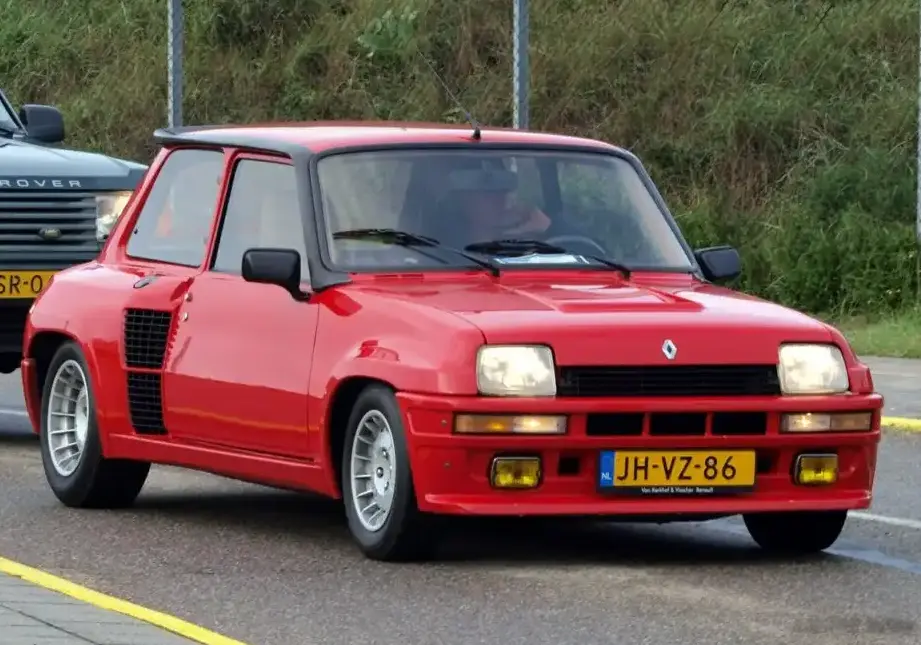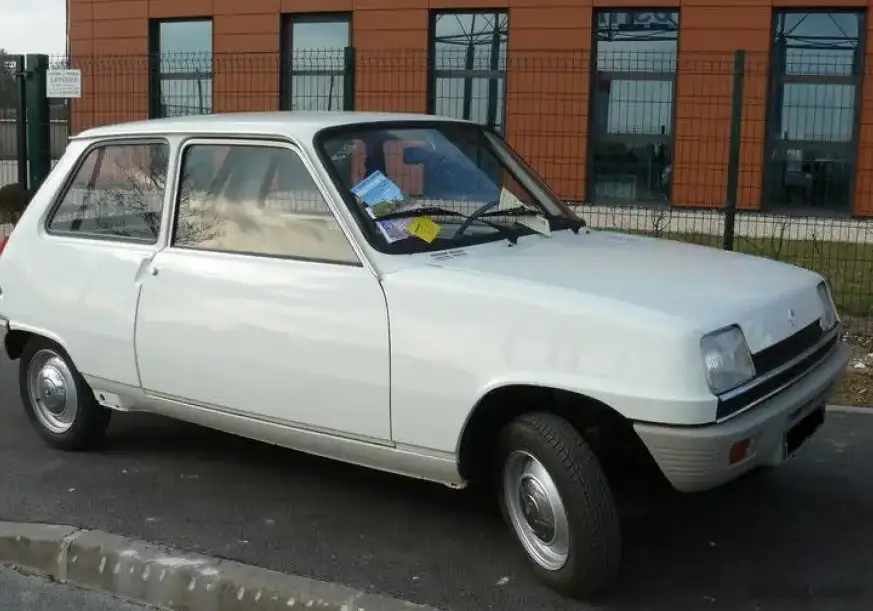
The Renault 5 1.1, producing 45 horsepower, was a foundational variant of the highly successful Renault 5 model range, manufactured between 1979 and 1985. Positioned as the entry-level model, it played a crucial role in democratizing car ownership in Europe, particularly in France, during the late 1970s and early 1980s. The Renault 5, internally designated as the B120 project, was a significant departure for Renault, embracing a modern, hatchback design and front-wheel-drive layout. The 1.1-liter engine version was specifically targeted at buyers seeking an economical and practical city car, prioritizing fuel efficiency and affordability over outright performance. It was a key component of Renault’s strategy to offer a diverse range of options within the 5 lineup, catering to a broad spectrum of consumer needs.
Technical Specifications
| Brand | Renault |
| Model | 5 |
| Generation | 5 |
| Type (Engine) | 1.1 (45 Hp) |
| Start of production | 1979 |
| End of production | 1985 |
| Powertrain Architecture | Internal Combustion engine |
| Body type | Hatchback |
| Seats | 5 |
| Doors | 3 |
| Fuel Type | Petrol (Gasoline) |
| Maximum speed | 135 km/h (83.89 mph) |
| Power | 45 Hp @ 5250 rpm |
| Power per litre | 40.6 Hp/l |
| Torque | 80 Nm @ 2500 rpm (59 lb.-ft. @ 2500 rpm) |
| Engine layout | Front, Transverse |
| Engine Model/Code | 688 713, C1E 726 |
| Engine displacement | 1108 cm3 (67.61 cu. in.) |
| Number of cylinders | 4 |
| Engine configuration | Inline |
| Cylinder Bore | 70 mm (2.76 in.) |
| Piston Stroke | 72 mm (2.83 in.) |
| Compression ratio | 9.5:1 |
| Number of valves per cylinder | 2 |
| Fuel injection system | Carburettor |
| Engine aspiration | Naturally aspirated engine |
| Engine oil capacity | 3.3 l (3.49 US qt | 2.9 UK qt) |
| Coolant | 6.3 l (6.66 US qt | 5.54 UK qt) |
| Fuel tank capacity | 38 l (10.04 US gal | 8.36 UK gal) |
| Length | 3650 mm (143.7 in.) |
| Width | 1580 mm (62.2 in.) |
| Height | 1390 mm (54.72 in.) |
| Drivetrain Architecture | The Internal combustion engine (ICE) drives the front wheels of the vehicle. |
| Drive wheel | Front wheel drive |
| Number of gears and type of gearbox | 5 gears, manual transmission |
| Front suspension | Independent type McPherson |
| Rear suspension | Torsion |
| Front brakes | Disc |
| Rear brakes | Drum |
| Steering type | Steering rack and pinion |
| Tires size | 145/70 R13 |
| Wheel rims size | 13 |
Powertrain & Engine Architecture
The Renault 5 1.1 was powered by the 1108cc (67.61 cubic inches) inline-four cylinder engine, designated as type 688 713 or C1E 726. This engine was a relatively simple design, utilizing a cast iron block and an aluminum cylinder head. It featured a single overhead camshaft operating two valves per cylinder. Fuel delivery was managed by a single downdraft carburetor, a common feature for vehicles of this era aiming for cost-effectiveness. The engine’s 9.5:1 compression ratio was a compromise between performance and fuel economy. The engine was transversely mounted at the front of the vehicle, driving the front wheels. This layout, while becoming increasingly common, was still relatively modern for a small car in the late 1970s. The five-speed manual transmission was a key component, allowing for reasonable fuel efficiency and a degree of driver control, despite the engine’s modest power output.
Driving Characteristics
The 1.1-liter Renault 5 offered modest performance, prioritizing fuel economy and ease of driving over outright speed. With 45 horsepower, acceleration was leisurely, and highway merging required careful planning. The five-speed gearbox helped to keep the engine within its optimal operating range, but the car felt strained at higher speeds. The gear ratios were geared towards maximizing fuel efficiency, resulting in a relatively tall final drive. Compared to the later Renault 5 Turbo or even the 1.4-liter versions, the 1.1 felt significantly underpowered. However, its light weight and nimble handling made it enjoyable to drive in urban environments. The steering was light and responsive, making parking and maneuvering in tight spaces easy. The suspension, while basic, provided a reasonably comfortable ride on most road surfaces.
Equipment & Trim Levels
The Renault 5 1.1 was typically offered with a basic level of equipment, reflecting its position as the entry-level model. Standard features generally included cloth upholstery, vinyl floor covering, and basic instrumentation consisting of a speedometer, fuel gauge, and temperature gauge. The dashboard was typically constructed from durable plastic, prioritizing functionality over aesthetics. Optional extras included a radio, heated rear window, and upgraded upholstery. Trim levels were relatively limited, with most variations focusing on exterior color and minor cosmetic details. The emphasis was on providing a functional and affordable vehicle, rather than luxury or extensive features.
Chassis & Braking
The Renault 5 featured a monocoque chassis construction, providing a good balance of strength and weight. The front suspension utilized an independent McPherson strut design, offering reasonable handling and ride comfort. The rear suspension employed a torsion beam setup, which was simple, cost-effective, and provided adequate stability. Braking was accomplished via disc brakes on the front wheels and drum brakes on the rear. The braking system was adequate for the car’s weight and performance, but lacked the stopping power of more modern systems. The steering system utilized a rack and pinion setup, providing precise and responsive steering.
Market Reception & Comparison
The Renault 5 1.1 was generally well-received by critics and consumers alike, particularly for its affordability and fuel efficiency. It was praised for its practicality and ease of driving, making it an ideal choice for first-time car buyers and city dwellers. Compared to other small cars of the era, such as the Fiat 127 or the Citroën 2CV, the Renault 5 offered a more modern design and a higher level of refinement. However, its performance was often criticized as being underwhelming. The 1.4-liter versions of the Renault 5 offered significantly more power and were a popular upgrade for those seeking a more engaging driving experience. Fuel economy was a strong point, consistently achieving around 45-50 mpg in real-world driving conditions.
Legacy
The Renault 5 1.1, while not the most powerful or technologically advanced version of the model, played a vital role in establishing the Renault 5 as a hugely successful and iconic car. The powertrain, while simple, proved to be relatively reliable, and many examples are still on the road today. In the used car market, the 1.1-liter versions are often the most affordable, making them a popular choice for enthusiasts and those seeking a classic French car experience. The Renault 5’s impact on the automotive industry was significant, paving the way for the modern supermini segment and influencing the design of countless other small cars.