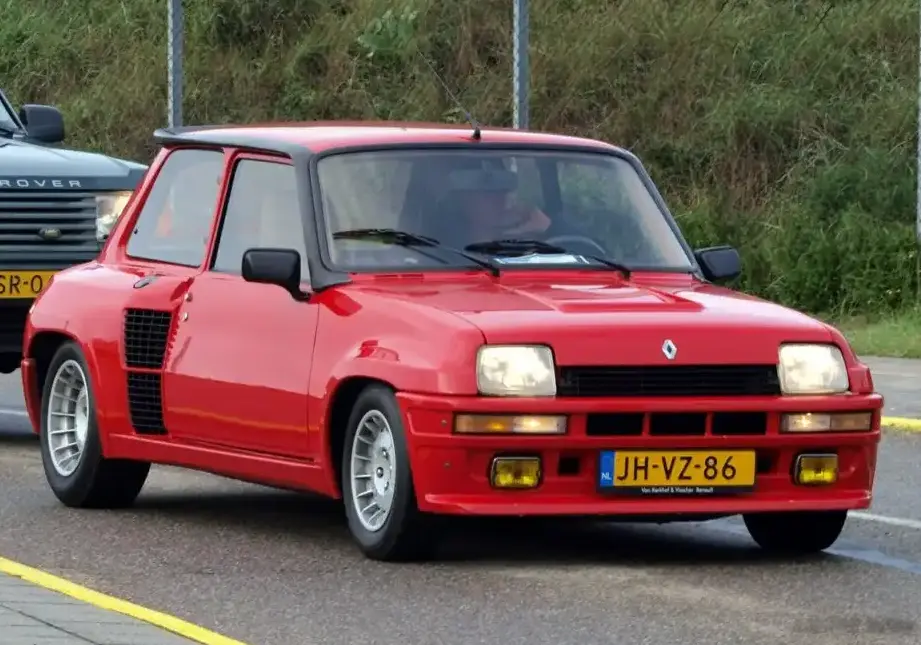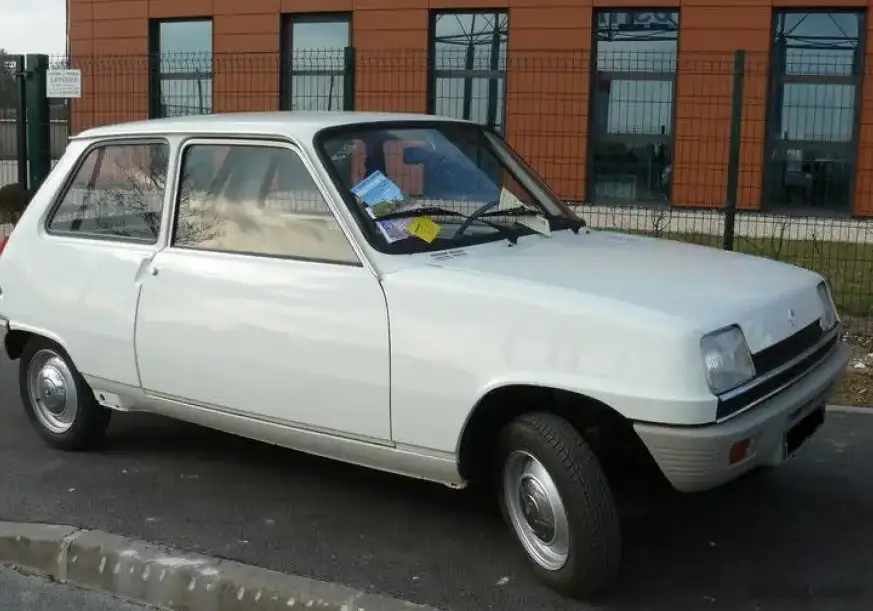
The Renault 5 1.3, producing 42 horsepower, was an entry-level variant of the highly successful Renault 5 supermini, manufactured between 1976 and 1979. This model played a crucial role in making the Renault 5 accessible to a wider market, particularly in Europe where it competed directly with vehicles like the Fiat 127 and Peugeot 104. It represented the base trim level of the first generation Renault 5, designated the R1300 series, and was instrumental in establishing the car’s reputation for affordability and practicality. The Renault 5, overall, was a landmark vehicle for Renault, shifting the company’s focus towards smaller, more efficient cars in response to changing consumer demands and the oil crises of the 1970s.
Technical Specifications
| Brand | Renault |
| Model | 5 |
| Generation | 5 |
| Type (Engine) | 1.3 (42 Hp) |
| Start of production | 1976 |
| End of production | 1979 |
| Powertrain Architecture | Internal Combustion engine |
| Body type | Hatchback |
| Seats | 5 |
| Doors | 3 |
| Fuel Type | Petrol (Gasoline) |
| Power | 42 Hp |
| Engine Model/Code | 810 |
| Engine aspiration | Naturally aspirated engine |
| Engine oil capacity | 3.3 l (3.49 US qt | 2.9 UK qt) |
| Coolant capacity | 6.3 l (6.66 US qt | 5.54 UK qt) |
| Fuel tank capacity | 38 l (10.04 US gal | 8.36 UK gal) |
Powertrain & Engine Architecture
The Renault 5 1.3 was powered by the Renault 810 engine, a 1,289 cc (78.6 cubic inches) inline-four cylinder petrol engine. This engine was a relatively simple design, featuring a single overhead camshaft (SOHC) and a two-valve per cylinder configuration. It utilized a Solex carburetor for fuel delivery, a common setup for vehicles of this era aiming for affordability. The 810 engine was known for its robustness and ease of maintenance, though its power output was modest. The engine’s block was cast iron, contributing to its durability. The 42 horsepower was achieved at approximately 6,000 rpm, and peak torque was around 68 lb-ft at 3,500 rpm. The engine was mated to a four-speed manual transmission, as an automatic transmission was not offered on this base model. The transmission was a standard, non-synchronized gearbox, typical for the time, and required a degree of driver skill for smooth operation.
Driving Characteristics
The driving experience in the Renault 5 1.3 was characterized by its light weight and nimble handling. With a curb weight of around 1,780 lbs (807 kg), the 42 horsepower engine provided adequate, though not exhilarating, performance. Acceleration from 0 to 60 mph took approximately 18-20 seconds, and the top speed was around 87 mph (140 km/h). The four-speed manual transmission required frequent shifting to maintain momentum, especially when climbing hills or overtaking. Compared to the later, more powerful Renault 5 variants like the 1.4 TS or the Gordini, the 1.3 felt significantly slower. However, its simplicity and light weight made it surprisingly enjoyable to drive in urban environments. The steering was direct and responsive, and the suspension, while basic, provided a reasonably comfortable ride. The gear ratios were optimized for fuel economy rather than outright performance, reflecting the car’s intended role as an economical city car.
Equipment & Trim Levels
The Renault 5 1.3 represented the most basic trim level. Standard equipment was minimal, reflecting its affordability. It typically included cloth upholstery, vinyl floor covering, and basic instrumentation consisting of a speedometer, fuel gauge, and temperature gauge. The dashboard was constructed from simple plastics, and the interior was functional rather than luxurious. Exterior features included steel wheels with hubcaps, black plastic bumpers, and basic chrome trim. Optional extras were limited but could include a radio, heated rear window, and upgraded upholstery. The interior space was surprisingly generous for a car of its size, offering comfortable seating for four adults. The rear seats could be folded down to increase cargo capacity, adding to the car’s practicality.
Chassis & Braking
The Renault 5 1.3 utilized a simple but effective chassis design. It featured a front-engine, front-wheel-drive layout with an independent front suspension using MacPherson struts and a torsion beam rear suspension. The steering was a rack and pinion system, providing precise control. Braking was accomplished via drum brakes on all four wheels, which were adequate for the car’s weight and performance. The braking system lacked power assistance, requiring a firm pedal effort. The suspension was tuned for comfort and ride quality, prioritizing a smooth ride over sporty handling. Stabilizer bars were not typically fitted to the base 1.3 model, further emphasizing its focus on affordability and practicality.
Market Reception & Comparison
The Renault 5 1.3 was generally well-received by critics as an affordable and practical city car. Its low price point and fuel efficiency were major selling points. However, its modest performance was often criticized, particularly when compared to more powerful rivals. Fuel economy was estimated at around 45-50 mpg, making it a very economical vehicle to operate. Compared to the higher-spec Renault 5 models, the 1.3 offered significantly less performance but at a considerably lower price. The 1.4 TS, for example, offered nearly double the horsepower and a more refined driving experience, but came at a premium. Reliability was generally good, with the 810 engine proving to be durable and relatively trouble-free. Maintenance costs were also low, thanks to the engine’s simple design and readily available parts.
Legacy
The Renault 5 1.3, while the least powerful variant, played a vital role in the success of the Renault 5. It established the car as a popular choice for budget-conscious buyers and helped to build the Renault 5’s reputation for affordability and practicality. Today, the Renault 5 1.3 is a relatively rare sight, as many were scrapped or succumbed to rust. However, well-maintained examples are becoming increasingly sought after by classic car enthusiasts. The 810 engine, while not known for its performance, is considered to be a reliable and durable unit. The Renault 5 1.3 remains a significant piece of automotive history, representing a pivotal moment in Renault’s transition towards smaller, more efficient cars. Its simplicity and charm continue to appeal to those seeking a classic and affordable motoring experience.