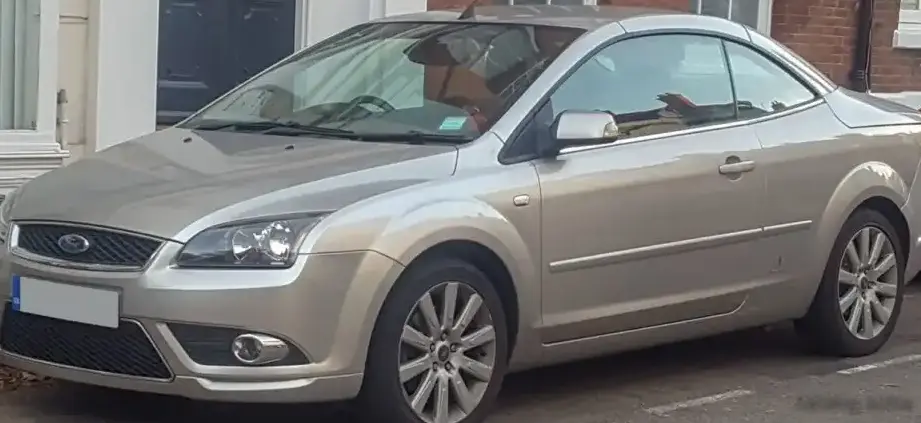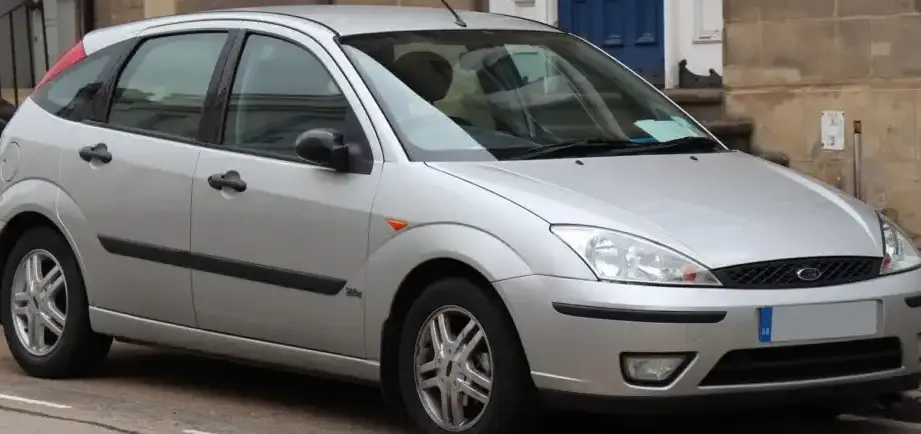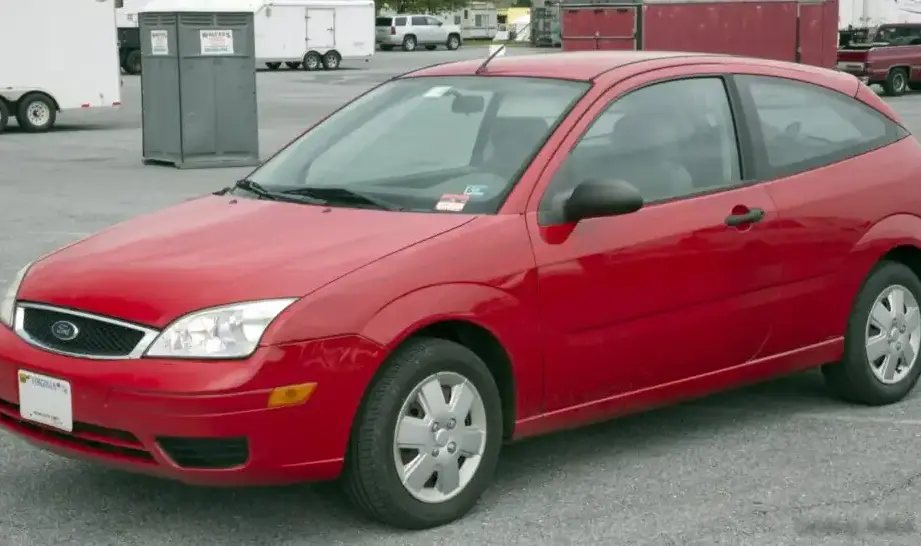
The Ford Focus SVT, specifically the 2.0L i 16V variant produced between 2002 and 2004 for the US market, represented a performance-oriented iteration of the first-generation North American Focus. Positioned as the top-tier trim level, the SVT aimed to deliver a more engaging driving experience than the base models. It was built on the C-Max platform, sharing its underpinnings with European Ford models but tailored for American tastes. This model year marked the initial introduction of a truly sporty Focus to the US, filling a gap in the compact car segment.
Technical Specifications
| Brand | Ford |
| Model | Focus |
| Generation | Focus Hatchback (USA) |
| Type (Engine) | 2.0 i 16V SVT (172 Hp) |
| Start of production | 2002 |
| End of production | 2004 |
| Powertrain Architecture | Internal Combustion engine |
| Body type | Hatchback |
| Seats | 5 |
| Doors | 3 |
| Fuel consumption (urban) | 11.2 l/100 km (21 US mpg) |
| Fuel consumption (extra urban) | 9.4 l/100 km (25 US mpg) |
| Fuel Type | Petrol (Gasoline) |
| Acceleration 0 – 100 km/h | 7.4 sec |
| Acceleration 0 – 62 mph | 7.4 sec |
| Acceleration 0 – 60 mph | 7 sec |
| Maximum speed | 217 km/h (134.84 mph) |
| Weight-to-power ratio | 7.4 kg/Hp |
| Weight-to-torque ratio | 6.5 kg/Nm |
| Power | 172 Hp @ 7000 rpm |
| Power per litre | 86.5 Hp/l |
| Torque | 196 Nm @ 5500 rpm (144.56 lb.-ft. @ 5500 rpm) |
| Engine layout | Front, Transverse |
| Engine displacement | 1988 cm3 (121.32 cu. in.) |
| Number of cylinders | 4 |
| Engine configuration | Inline |
| Cylinder Bore | 84.8 mm (3.34 in.) |
| Piston Stroke | 88 mm (3.46 in.) |
| Compression ratio | 10.2:1 |
| Number of valves per cylinder | 4 |
| Fuel injection system | Multi-port manifold injection |
| Engine aspiration | Naturally aspirated engine |
| Kerb Weight | 1270 kg (2799.87 lbs.) |
| Trunk (boot) space – minimum | 527 l (18.61 cu. ft.) |
| Fuel tank capacity | 50 l (13.21 US gal | 11 UK gal) |
| Length | 4270 mm (168.11 in.) |
| Width | 1699 mm (66.89 in.) |
| Height | 1430 mm (56.3 in.) |
| Wheelbase | 2616 mm (102.99 in.) |
| Front track | 1494 mm (58.82 in.) |
| Rear (Back) track | 1486 mm (58.5 in.) |
| Drivetrain Architecture | Front wheel drive |
| Number of gears and type of gearbox | 6 gears, manual transmission |
| Front suspension | Coil spring |
| Rear suspension | Transverse stabilizer |
| Front brakes | Ventilated discs |
| Rear brakes | Disc |
| Assisting systems | ABS (Anti-lock braking system) |
| Steering type | Steering rack and pinion |
| Power steering | Hydraulic Steering |
| Tires size | 215/45 R17 |
Powertrain & Engine Architecture
The heart of the Focus SVT was the 2.0-liter Zetec inline-four cylinder engine. This engine, internally designated as the Mazda L8 engine (due to Ford’s partnership with Mazda at the time), featured a dual overhead camshaft (DOHC) design with four valves per cylinder. The multi-port fuel injection system delivered fuel directly into the intake ports, optimizing combustion. The engine produced 172 horsepower at 7,000 rpm and 144.56 lb-ft of torque at 5,500 rpm. The engine’s relatively high-revving nature and responsive throttle were key characteristics. The only transmission option was a five-speed manual, chosen specifically to enhance the sporty driving experience. The engine oil specification required a high-quality synthetic or semi-synthetic oil to ensure proper lubrication and protection.
Driving Characteristics
The 2.0L SVT Focus offered a noticeably more spirited driving experience compared to the base model Focus. The six-speed manual transmission allowed for precise gear selection and kept the engine within its optimal power band. Acceleration from 0-60 mph was achieved in approximately 7 seconds, making it competitive with other hot hatches of the era. The suspension was tuned for firmer handling, reducing body roll during cornering. While the ride quality was firmer than the standard Focus, it remained reasonably comfortable for daily driving. The steering provided good feedback, enhancing driver confidence. The relatively short wheelbase contributed to the car’s agility, making it fun to drive on winding roads.
Equipment & Trim Levels
The SVT trim level came standard with a number of features designed to enhance both performance and aesthetics. These included sport seats with enhanced bolstering, a leather-wrapped steering wheel, and unique alloy wheels. The interior featured a dark color scheme with metallic accents. Optional extras included a premium sound system, power sunroof, and air conditioning. The SVT also featured a unique body kit, including a front air dam, side skirts, and a rear spoiler, giving it a more aggressive appearance. The instrument cluster featured unique graphics and a tachometer with a redline that corresponded to the engine’s peak horsepower.
Chassis & Braking
The Focus SVT utilized a MacPherson strut front suspension and a multi-link rear suspension, providing a good balance of handling and ride comfort. The front suspension featured a thicker stabilizer bar compared to the base model, further reducing body roll. The braking system consisted of ventilated discs at the front and solid discs at the rear. Anti-lock brakes (ABS) were standard equipment. The tires were 215/45 R17, providing ample grip for spirited driving. The chassis was reinforced in key areas to improve rigidity and handling precision.
Market Reception & Comparison
The Focus SVT was generally well-received by automotive critics, who praised its sporty handling, responsive engine, and attractive styling. It was often compared to other hot hatches of the time, such as the Volkswagen GTI and the Mazda Protegé5. While the GTI offered a more refined interior and a wider range of features, the SVT provided a more raw and engaging driving experience at a lower price point. Fuel economy was reasonable for a performance-oriented vehicle, averaging around 21 mpg in the city and 25 mpg on the highway. Reliability was generally good, although some owners reported issues with the engine’s cooling system.
Legacy
The 2002-2004 Ford Focus SVT holds a special place in the hearts of many enthusiasts. It was the first truly sporty Focus offered in the US market, and it laid the groundwork for future performance models. The Zetec engine proved to be durable and reliable, and many SVTs are still on the road today. The car’s relatively simple design and readily available parts make it a popular choice for modification and restoration. In the used car market, well-maintained SVTs command a premium price, reflecting their rarity and desirability. The SVT demonstrated Ford’s commitment to offering engaging and affordable performance vehicles, and it helped to establish the Focus as a popular choice among driving enthusiasts.