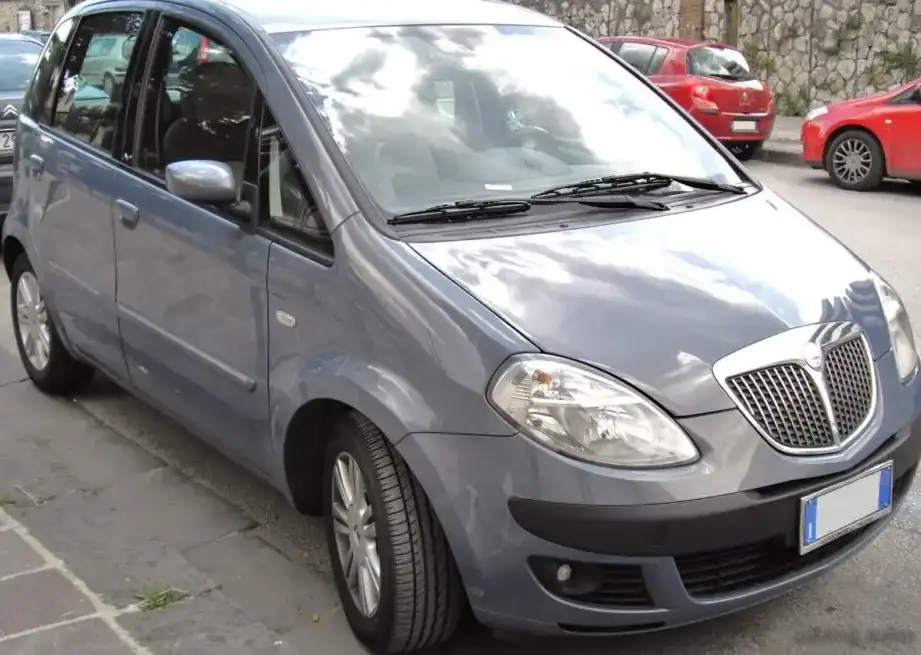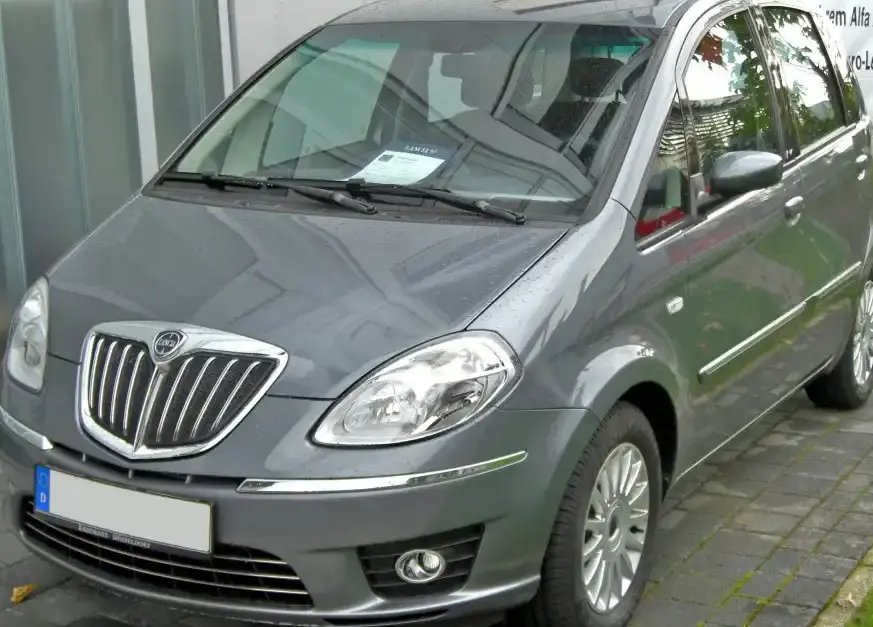
The Lancia Musa, particularly the facelifted version introduced in 2007, represented a unique offering in the compact MPV (Multi-Purpose Vehicle) segment. This iteration, powered by a 1.3 Multijet diesel engine producing 90 horsepower and paired with an automatic transmission, was marketed primarily in Europe. Production of this specific variant ran from 2007 to 2012. The Musa, based on the Fiat/Lancia 1HX0 platform shared with the Fiat Idea, aimed to provide a stylish and practical vehicle for small families and urban dwellers. The 1.3 Multijet Automatic trim occupied a mid-range position within the Musa lineup, offering a balance between fuel efficiency, ease of use, and affordability.
Technical Specifications
| Brand | Lancia |
| Model | Musa |
| Generation | Musa (facelift 2007) |
| Type (Engine) | 1.3 Multijet (90 Hp) Automatic |
| Start of production | 2007 |
| End of production | 2012 |
| Powertrain Architecture | Internal Combustion engine |
| Body type | MPV |
| Seats | 5 |
| Doors | 5 |
| Fuel consumption (urban) | 5.6 l/100 km (42 US mpg, 50.4 UK mpg, 17.9 km/l) |
| Fuel consumption (extra urban) | 3.8 l/100 km (61.9 US mpg, 74.3 UK mpg, 26.3 km/l) |
| Fuel consumption (combined) | 4.5 l/100 km (52.3 US mpg, 62.8 UK mpg, 22.2 km/l) |
| CO2 emissions | 118 g/km |
| Fuel Type | Diesel |
| Acceleration 0 – 100 km/h | 12.5 sec |
| Acceleration 0 – 62 mph | 12.5 sec |
| Acceleration 0 – 60 mph | 11.9 sec |
| Maximum speed | 173 km/h (107.5 mph) |
| Emission standard | Euro 4 |
| Weight-to-power ratio | 13.4 kg/Hp, 74.7 Hp/tonne |
| Weight-to-torque ratio | 6 kg/Nm, 166 Nm/tonne |
| Power | 90 Hp @ 4000 rpm |
| Power per litre | 72.1 Hp/l |
| Torque | 200 Nm @ 1750 rpm (147.51 lb.-ft. @ 1750 rpm) |
| Engine layout | Front, Transverse |
| Engine Model/Code | 199 A3.000 |
| Engine displacement | 1248 cm3 (76.16 cu. in.) |
| Number of cylinders | 4 |
| Engine configuration | Inline |
| Cylinder Bore | 69.6 mm (2.74 in.) |
| Piston Stroke | 82 mm (3.23 in.) |
| Compression ratio | 17.6:1 |
| Number of valves per cylinder | 4 |
| Fuel injection system | Diesel Commonrail |
| Engine aspiration | Turbocharger, Intercooler |
| Valvetrain | DOHC |
| Engine oil capacity | 3 l (3.17 US qt | 2.64 UK qt) |
| Coolant | 6 l (6.34 US qt | 5.28 UK qt) |
| Kerb Weight | 1205 kg (2656.57 lbs.) |
| Max. weight | 1705 kg (3758.88 lbs.) |
| Max load | 500 kg (1102.31 lbs.) |
| Trunk (boot) space – minimum | 390 l (13.77 cu. ft.) |
| Trunk (boot) space – maximum | 1488 l (52.55 cu. ft.) |
| Fuel tank capacity | 47 l (12.42 US gal | 10.34 UK gal) |
| Permitted trailer load with brakes (12%) | 1000 kg (2204.62 lbs.) |
| Permitted trailer load without brakes | 400 kg (881.85 lbs.) |
| Length | 4035 mm (158.86 in.) |
| Width | 1698 mm (66.85 in.) |
| Height | 1660 mm (65.35 in.) |
| Wheelbase | 2508 mm (98.74 in.) |
| Front track | 1444 mm (56.85 in.) |
| Rear (Back) track | 1431 mm (56.34 in.) |
| Drag coefficient (Cd) | 0.31 |
| Minimum turning circle | 10.4 m (34.12 ft.) |
| Drivetrain Architecture | The Internal combustion engine (ICE) drives the front wheels of the vehicle. |
| Drive wheel | Front wheel drive |
| Number of gears and type of gearbox | 5 gears, automatic transmission Dualogic |
| Front suspension | Independent, type McPherson with coil spring and anti-roll bar |
| Rear suspension | Semi-independent, coil spring |
| Front brakes | Ventilated discs |
| Rear brakes | Drum |
| Tires size | 195/60 R15 |
| Wheel rims size | 15 |
Powertrain & Engine Architecture
The heart of this Musa variant is the 1.3 Multijet engine, identified by the code 199 A3.000. This is a four-cylinder, inline diesel engine utilizing common rail direct injection. The Multijet technology, developed by Fiat, allows for multiple injections per combustion cycle, improving efficiency and reducing noise. A turbocharger with an intercooler is employed to boost power output. The engine features a double overhead camshaft (DOHC) valvetrain with four valves per cylinder. The 1.3 Multijet is known for its relatively frugal fuel consumption and decent low-end torque. Paired with this engine is a five-speed automatic transmission, marketed as “Dualogic.” This transmission is a conventional automatic, offering a smooth, if not particularly sporty, driving experience. It lacks the rapid shifting capabilities of more modern automatic gearboxes.
Driving Characteristics
The 90 horsepower output and automatic transmission combination resulted in a relaxed driving experience. Acceleration from 0-60 mph took around 11.9 seconds, and top speed was approximately 107.5 mph. While not particularly quick, the engine provided sufficient power for everyday driving and highway cruising. The automatic transmission prioritized fuel economy over performance, with gear changes often occurring at lower RPMs. Compared to the manual transmission versions of the 1.3 Multijet, the automatic felt noticeably slower. Higher-output versions, such as the 1.9 JTD, offered significantly more performance but at the cost of increased fuel consumption and a higher price point. The Dualogic transmission, while convenient, could sometimes feel hesitant during quick maneuvers.
Equipment & Trim Levels
The 1.3 Multijet Automatic trim typically included features such as air conditioning, power windows, central locking, and an audio system with CD player. Interior upholstery was generally cloth, with options for upgraded materials available. Safety features included ABS brakes, airbags, and seatbelts. Optional extras could include alloy wheels, a sunroof, parking sensors, and a navigation system. The Musa aimed for a slightly more upscale feel than some of its competitors, with a focus on interior design and comfort.
Chassis & Braking
The Musa utilized a McPherson strut front suspension and a semi-independent coil spring rear suspension. This setup provided a comfortable ride, although it wasn’t particularly sporty. The front brakes were ventilated discs, while the rear brakes were drums. This configuration was typical for vehicles in this weight class and price range. Stabilizer bars were fitted to both the front and rear axles to reduce body roll during cornering. The steering was power-assisted, providing light and easy maneuverability.
Market Reception & Comparison
The Lancia Musa, and specifically the 1.3 Multijet Automatic variant, received mixed reviews. Critics praised its stylish design, spacious interior, and fuel efficiency. However, the performance of the 90 hp engine with the automatic transmission was often criticized as being underwhelming. Compared to rivals like the Renault Scenic or Citroën C4 Picasso, the Musa offered a more distinctive design but lacked the outright practicality and performance of some competitors. The 1.3 Multijet Automatic offered better fuel economy than the higher-powered diesel options, but at the expense of driving enjoyment. Reliability was generally considered average, with some reports of issues with the Dualogic transmission.
Legacy
The Lancia Musa, while not a massive sales success, remains a relatively common sight on European roads. The 1.3 Multijet engine is known for its durability, and with proper maintenance, can provide many years of reliable service. The Dualogic transmission, however, can be a potential source of problems, and regular servicing is essential. In the used car market, the 1.3 Multijet Automatic variant represents an affordable and economical option for those seeking a compact MPV. Its blend of style, practicality, and fuel efficiency continues to appeal to a niche audience.