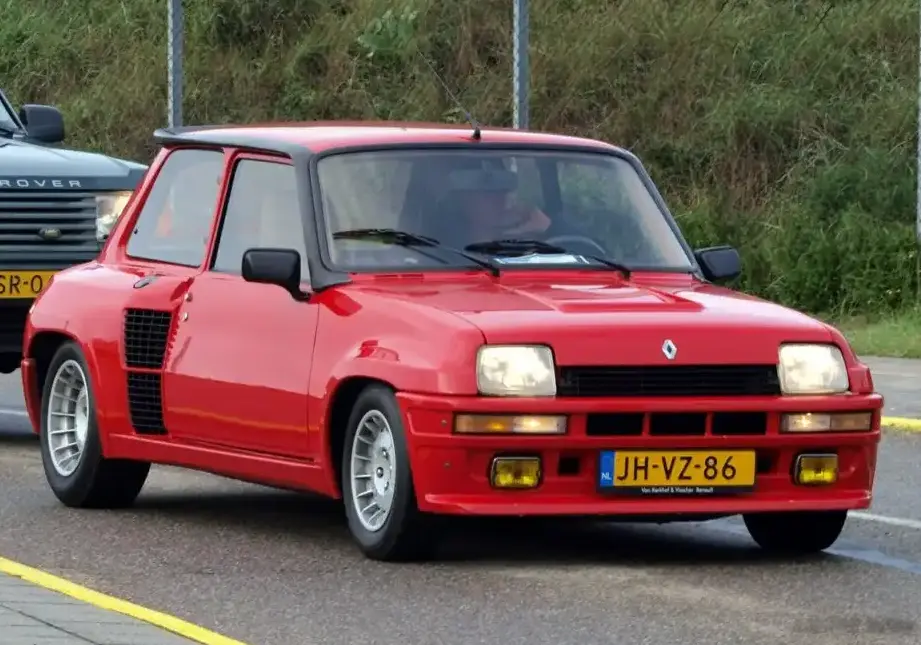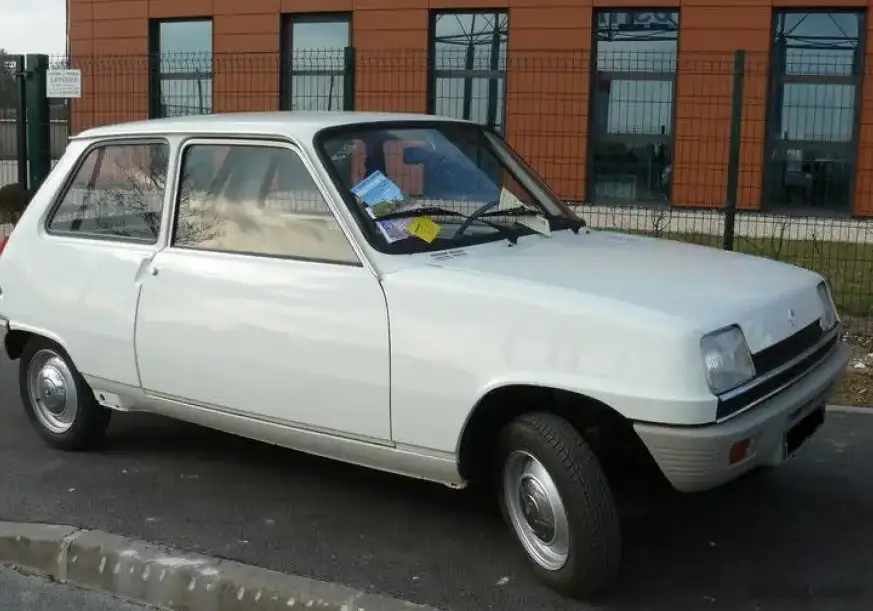
The Renault 5 1.3, producing 64 horsepower, was a mainstay of the Renault 5 lineup from 1975 to 1984. Positioned as the entry-level model within the broader Renault 5 range, it represented an affordable and economical option for European buyers during a period of rising fuel costs and increasing demand for compact, practical vehicles. This variant played a crucial role in establishing the Renault 5 as a popular city car, known for its nimble handling and efficient engine. It was a key component of Renault’s strategy to offer a diverse range of options within the 5 platform, catering to different budgets and driving needs.
Technical Specifications
| Brand | Renault |
| Model | 5 |
| Generation | 5 |
| Type (Engine) | 1.3 (64 Hp) |
| Start of production | 1975 |
| End of production | 1984 |
| Powertrain Architecture | Internal Combustion engine |
| Body type | Hatchback |
| Seats | 4 |
| Doors | 3 |
| Fuel consumption (urban) | 9.2 l/100 km (25.6 US mpg) |
| Fuel consumption (extra urban) | 5.8 l/100 km (40.6 US mpg) |
| Fuel Type | Petrol (Gasoline) |
| Maximum speed | 150 km/h (93.21 mph) |
| Power | 64 Hp |
| Engine Model/Code | 810 |
| Engine aspiration | Naturally aspirated |
| Engine oil capacity | 3.3 l (3.49 US qt) |
| Coolant capacity | 6.3 l (6.66 US qt) |
| Fuel tank capacity | 38 l (10.04 US gal) |
Powertrain & Engine Architecture
The Renault 5 1.3 was powered by the 810 engine, a 1,289 cc inline-four cylinder, naturally aspirated gasoline engine. This engine was a relatively simple design, featuring a single overhead camshaft and two valves per cylinder. Fuel delivery was managed by a single, down-draft carburetor – typically a Solex or Weber unit – a common setup for vehicles of this era. The carburetor’s tuning was critical for achieving optimal fuel economy and driveability. The engine’s modest output of 64 horsepower at around 6,000 rpm and 87 lb-ft of torque at 3,500 rpm was sufficient for city driving and shorter trips, but it wasn’t designed for high-speed cruising or demanding performance. The engine block was cast iron, contributing to its durability, while the cylinder head was aluminum. The transmission paired with the 1.3-liter engine was typically a four-speed manual, though a three-speed automatic transmission was also offered, albeit less commonly. The automatic transmission was a conventional hydraulic unit, known for its smooth operation but relatively slow shift times.
Driving Characteristics
The Renault 5 1.3 offered a predictable and undemanding driving experience. Acceleration was modest, taking around 14-15 seconds to reach 60 mph. The engine felt relatively strained at higher speeds, and highway overtaking required careful planning. The four-speed manual transmission allowed drivers to make the most of the available power, while the three-speed automatic, while convenient, further reduced acceleration performance. The car’s lightweight construction – typically around 1,700 lbs – contributed to its nimble handling. Steering was light and responsive, making it easy to maneuver in tight urban environments. The suspension, consisting of independent front suspension with torsion bars and a twist-beam rear axle, provided a comfortable ride, although it could become somewhat unsettled on rough roads. Compared to the more powerful Renault 5 TS or Turbo models, the 1.3 felt significantly slower and less refined, but it offered a more economical and accessible entry point into the Renault 5 range.
Equipment & Trim Levels
The Renault 5 1.3 was typically equipped with basic, functional features. Standard equipment generally included cloth upholstery, vinyl floor covering, and basic instrumentation – speedometer, fuel gauge, and temperature gauge. The dashboard was typically constructed from hard plastic, reflecting the car’s budget-oriented positioning. Optional extras included a radio, heated rear window, and upgraded upholstery. Trim levels were relatively simple, with the 1.3 often serving as the base model. Later models saw the introduction of minor cosmetic upgrades, such as different wheel covers and interior trim colors. The focus was on providing a practical and affordable vehicle, rather than luxury or extensive features.
Chassis & Braking
The Renault 5 1.3 utilized a monocoque chassis construction, providing a good balance of strength and weight. The front suspension featured independent torsion bar springs, while the rear suspension employed a simple twist-beam axle. Braking was typically accomplished with drum brakes on all four wheels, although some later models featured front disc brakes. The braking system was adequate for the car’s performance, but it lacked the stopping power of more modern vehicles. Steering was rack and pinion, providing precise and responsive control. The car’s relatively small size and light weight contributed to its agility and ease of handling.
Market Reception & Comparison
The Renault 5 1.3 was well-received in its primary market – Europe – as an affordable and economical city car. Critics praised its nimble handling, fuel efficiency, and practicality. However, the engine’s modest power output was often cited as a drawback, particularly for drivers who frequently traveled on highways. Compared to other small cars of the era, such as the Fiat 127 or the Peugeot 104, the Renault 5 1.3 offered a competitive combination of price, fuel economy, and handling. The 1.3-liter engine provided better fuel economy than the larger 1.4-liter and 1.6-liter engines available in other Renault 5 models, making it a popular choice for budget-conscious buyers. However, the more powerful versions offered significantly improved performance and were favored by drivers who prioritized driving enjoyment.
Legacy
The Renault 5 1.3, while not the most powerful or luxurious variant of the Renault 5, played a significant role in establishing the model as a popular and enduring icon. The 810 engine proved to be relatively reliable, and many examples are still on the road today. The car’s simple design and readily available parts make it relatively easy to maintain and repair. In the used car market, the Renault 5 1.3 remains an affordable and charming classic, appealing to enthusiasts and collectors who appreciate its retro styling and simple engineering. Its enduring popularity is a testament to its practicality, fuel efficiency, and the overall appeal of the Renault 5 platform.