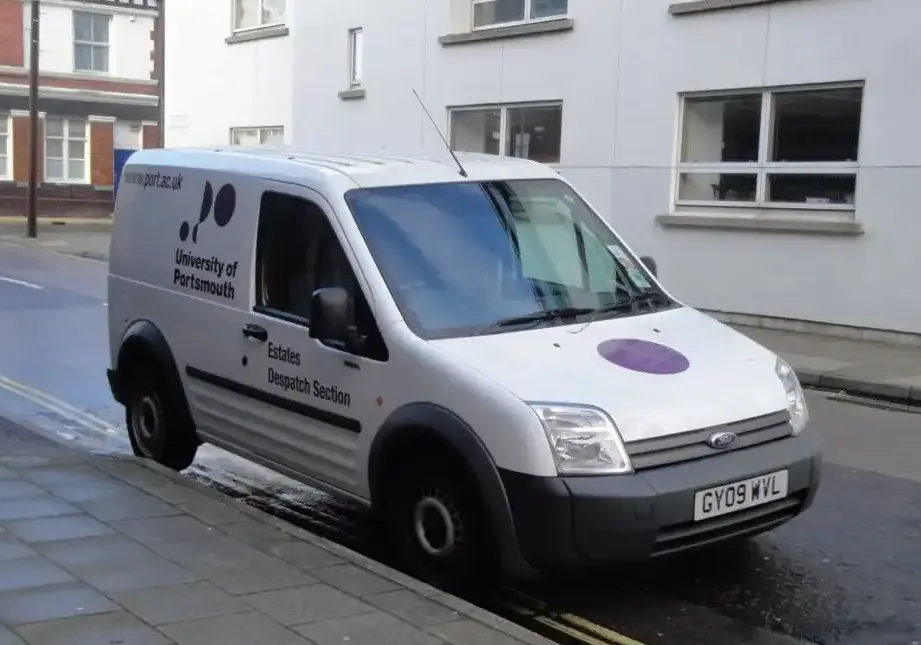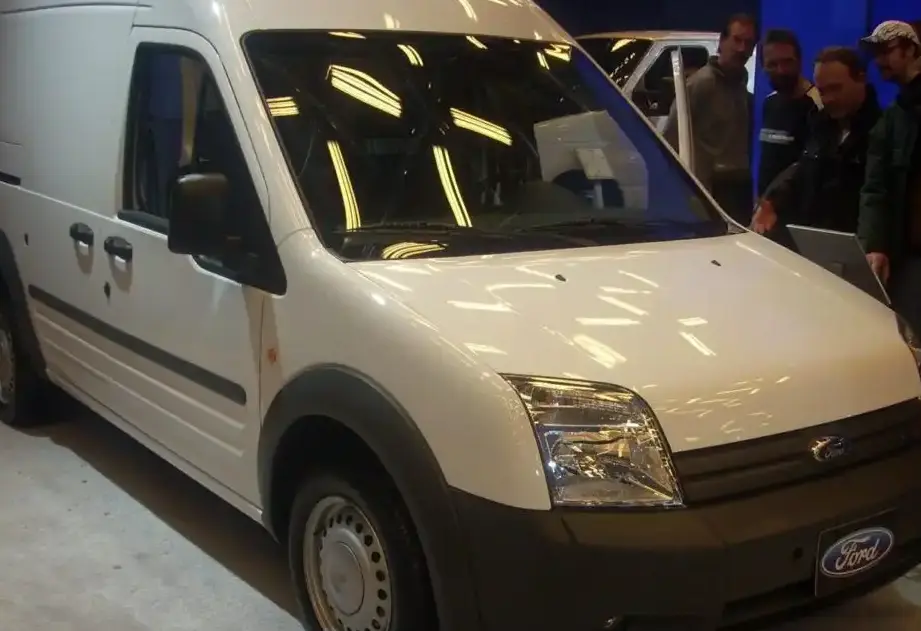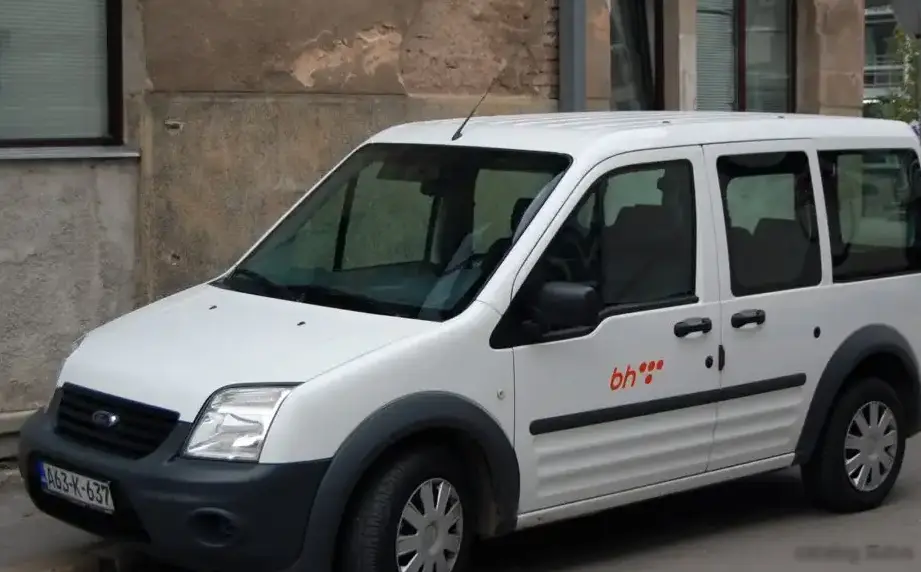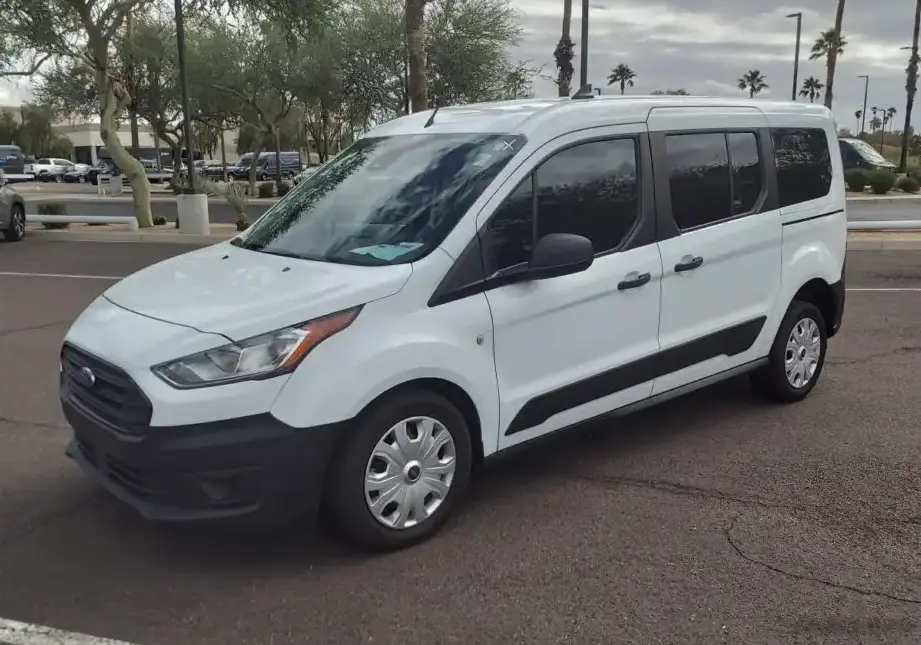
The Ford Transit Connect II, specifically the facelifted version introduced in 2018, represents Ford’s entry into the compact commercial and passenger van segment in Europe and, to a lesser extent, North America. The L2 Wagon variant, equipped with the 1.5 EcoBlue diesel engine producing 120 horsepower, was a popular choice for families and businesses needing a versatile and fuel-efficient vehicle. Production of this configuration ran from 2018 through 2023. This particular trim occupied a mid-range position within the Transit Connect lineup, offering a balance between affordability, practicality, and reasonable performance. It served as a step up from the base engine options while remaining more accessible than the higher-powered variants.
Technical Specifications
| Brand | Ford |
| Model | Transit Connect |
| Generation | Transit Connect II (facelift 2018) Wagon L2 |
| Type (Engine) | 1.5 EcoBlue (120 Hp) |
| Start of production | 2018 |
| End of production | 2023 |
| Powertrain Architecture | Internal Combustion engine |
| Body type | Minivan |
| Seats | 5-7 |
| Doors | 5 |
| Fuel consumption (economy) – urban (NEDC) | 4.8-5.3 l/100 km (49 – 44.4 US mpg, 58.9 – 53.3 UK mpg, 20.8 – 18.9 km/l) |
| Fuel consumption (economy) – extra urban (NEDC) | 4.2-4.6 l/100 km (56 – 51.1 US mpg, 67.3 – 61.4 UK mpg, 23.8 – 21.7 km/l) |
| Fuel consumption (economy) – combined (NEDC) | 4.4-4.9 l/100 km (53.5 – 48 US mpg, 64.2 – 57.6 UK mpg, 22.7 – 20.4 km/l) |
| CO2 emissions (NEDC) | 116-128 g/km |
| Fuel Type | Diesel |
| Emission standard | Euro 6d-TEMP-EVAP-ISC |
| Weight-to-power ratio | 13.9 kg/Hp, 72.1 Hp/tonne |
| Weight-to-torque ratio | 6.2 kg/Nm, 162.3 Nm/tonne |
| Power | 120 Hp |
| Power per litre | 80.1 Hp/l |
| Torque | 270 Nm (199.14 lb.-ft.) |
| Engine layout | Front, Transverse |
| Engine Model/Code | ZTGA |
| Engine displacement | 1498 cm3 (91.41 cu. in.) |
| Number of cylinders | 4 |
| Engine configuration | Inline |
| Cylinder Bore | 75 mm (2.95 in.) |
| Piston Stroke | 84.8 mm (3.34 in.) |
| Number of valves per cylinder | 4 |
| Fuel injection system | Diesel Commonrail |
| Engine aspiration | Turbocharger, Intercooler |
| Valvetrain | DOHC |
| Engine oil capacity | 6 l (6.34 US qt | 5.28 UK qt) |
| Coolant | 7 l (7.4 US qt | 6.16 UK qt) |
| Kerb Weight | 1664-1825 kg (3668.49 – 4023.44 lbs.) |
| Max. weight | 2290-2405 kg (5048.59 – 5302.12 lbs.) |
| Max load | 580-626 kg (1278.68 – 1380.09 lbs.) |
| Trunk (boot) space – minimum | 300 l (10.59 cu. ft.) |
| Trunk (boot) space – maximum | 2800 l (98.88 cu. ft.) |
| Fuel tank capacity | 60 l (15.85 US gal | 13.2 UK gal) |
| AdBlue tank | 17 l (4.49 US gal | 3.74 UK gal) |
| Permitted trailer load with brakes (12%) | 1500 kg (3306.93 lbs.) |
| Permitted trailer load without brakes | 750 kg (1653.47 lbs.) |
| Length | 4825 mm (189.96 in.) |
| Width | 1835 mm (72.24 in.) |
| Width with mirrors folded | 1967 mm (77.44 in.) |
| Width including mirrors | 2137 mm (84.13 in.) |
| Height | 1820-1847 mm (71.65 – 72.72 in.) |
| Wheelbase | 3062 mm (120.55 in.) |
| Front track | 1568 mm (61.73 in.) |
| Rear (Back) track | 1582 mm (62.28 in.) |
| Front overhang | 885 mm (34.84 in.) |
| Rear overhang | 878 mm (34.57 in.) |
| Ride height (ground clearance) | 144 mm (5.67 in.) |
| Minimum turning circle (turning diameter) | 12.5 m (41.01 ft.) |
| Drivetrain Architecture | The Internal combustion engine (ICE) drives the front wheels of the vehicle. |
| Drive wheel | Front wheel drive |
| Number of gears and type of gearbox | 6 gears, manual transmission |
| Front suspension | Independent, type McPherson with coil spring and anti-roll bar |
| Rear suspension | Semi-dependent beam with stabilizer lateral stability |
| Front brakes | Ventilated discs |
| Rear brakes | Disc |
| Assisting systems | ABS (Anti-lock braking system) |
| Steering type | Steering rack and pinion |
| Power steering | Electric Steering |
| Tires size | 205/60 R16; 215/55 R16; 215/55 R17 |
| Wheel rims size | 6.5J x 16; 6.5J x 17 |
Powertrain & Engine Architecture
The heart of this Transit Connect variant is the 1.5-liter EcoBlue diesel engine, designated with the engine code ZTGA. This engine is part of Ford’s EcoBlue family, known for its focus on efficiency and reduced emissions. The 1.5L EcoBlue is a four-cylinder, inline engine featuring a turbocharger with intercooling and a direct common-rail fuel injection system. The common-rail system delivers fuel at extremely high pressure, optimizing combustion and improving fuel economy. The engine utilizes a double overhead camshaft (DOHC) valvetrain with four valves per cylinder, enhancing breathing and contributing to its power output. The engine also incorporates features like cooled exhaust gas recirculation (EGR) and a particulate filter to meet stringent Euro 6d-TEMP emission standards. The 120 horsepower output is achieved through careful calibration of the engine management system, balancing performance with fuel efficiency. The engine is transversely mounted in the front of the vehicle, driving the front wheels.
Driving Characteristics
The 1.5 EcoBlue 120 hp engine, paired with a 6-speed manual transmission, provides adequate performance for everyday driving. While not particularly sporty, it offers sufficient power for highway cruising and carrying a full load. Acceleration is reasonable, but it’s noticeably slower than the higher-powered versions of the Transit Connect. The engine delivers its peak torque of 270 Nm (199 lb-ft) relatively low in the rev range, providing good responsiveness in typical driving situations. The 6-speed manual transmission is well-matched to the engine, offering smooth gear changes and helping to keep the engine in its optimal power band. Compared to the base engine options, the 120 hp version provides a more relaxed driving experience, especially when fully loaded or traveling uphill. However, it lacks the outright punch of the more powerful engines.
Equipment & Trim Levels
The L2 Wagon 1.5 EcoBlue 120 hp trim typically included standard features such as air conditioning, power windows, power mirrors, a basic audio system with USB connectivity, and a driver’s airbag. Higher trim levels offered options like alloy wheels, a touchscreen infotainment system with navigation, rear parking sensors, cruise control, and additional airbags. Interior upholstery was typically cloth, with durable and practical materials used throughout the cabin. The L2 designation refers to the long wheelbase, providing increased cargo space behind the rear seats. Optional extras often included a panoramic sunroof, heated seats, and upgraded audio systems.
Chassis & Braking
The Transit Connect II utilizes an independent McPherson strut suspension at the front, providing a comfortable ride and good handling characteristics. The rear suspension employs a semi-independent beam axle with a stabilizer bar, which helps to reduce body roll and improve stability. The braking system consists of ventilated discs at the front and solid discs at the rear. Anti-lock Braking System (ABS) is standard, enhancing safety during emergency braking situations. The steering is rack and pinion with electric power assistance, providing precise and responsive steering feel.
Market Reception & Comparison
The Ford Transit Connect II 1.5 EcoBlue 120 hp received generally positive reviews for its fuel efficiency, practicality, and versatility. Critics praised its spacious interior, comfortable ride, and competitive pricing. However, some reviewers noted that the engine could feel underpowered when fully loaded or driving on steep inclines. Compared to other trims in the lineup, the 120 hp version offered a good balance between performance and fuel economy, making it a popular choice for buyers who prioritized efficiency over outright power. Its fuel economy figures of 4.4-4.9 l/100 km (53.5-48 US mpg) were competitive within its class.
Legacy
The 1.5 EcoBlue engine has proven to be a relatively reliable powertrain, although, like any diesel engine, it requires regular maintenance, including oil changes and filter replacements. The Transit Connect II, in general, has established a reputation for durability and practicality. In the used car market, these models continue to be sought after for their versatility and affordability. The EcoBlue engine’s focus on emissions control has also contributed to its longevity, as it meets increasingly stringent environmental regulations. While not a performance icon, the 1.5 EcoBlue 120 hp Transit Connect remains a sensible and practical choice for those needing a compact van for work or family use.