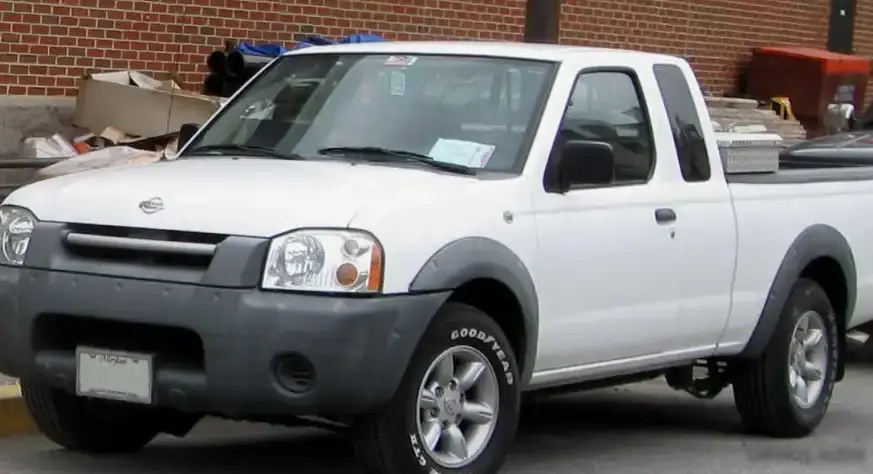
The Nissan Frontier I King Cab (D22) Desert Runner, specifically the facelifted version produced from 2001 to 2004, represented a performance-oriented iteration of Nissan’s mid-size pickup truck. Positioned as a more rugged and capable option within the Frontier lineup, the Desert Runner package combined a powerful 3.3-liter V6 engine with a four-wheel-drive system and a distinctive off-road aesthetic. This variant aimed to appeal to buyers seeking a blend of everyday utility and weekend adventure capability, particularly in the Western United States where the “Desert Runner” name resonated with the region’s terrain and lifestyle. It served as a bridge between the standard Frontier King Cab and more specialized off-road trims like the PRO-4X.
Technical Specifications
| Brand | Nissan |
| Model | Frontier |
| Generation | Frontier I King Cab (D22, facelift 2000) |
| Type (Engine) | Desert Runner 3.3 V6 (210 Hp) 4×4 |
| Start of production | 2001 |
| End of production | 2004 |
| Powertrain Architecture | Internal Combustion engine |
| Body type | Pick-up |
| Seats | 4 |
| Doors | 2 |
| Fuel Type | Petrol (Gasoline) |
| Power | 210 Hp @ 4800 rpm |
| Power per litre | 64.1 Hp/l |
| Torque | 313 Nm / 230.86 lb.-ft. |
| Engine Model/Code | VG33ER |
| Engine displacement | 3275 cm3 / 199.85 cu. in. |
| Number of cylinders | 6 |
| Engine configuration | V-engine |
| Cylinder Bore | 91.5 mm / 3.6 in. |
| Piston Stroke | 83 mm / 3.27 in. |
| Number of valves per cylinder | 4 |
| Engine aspiration | Supercharger, Intercooler |
| Valvetrain | SOHC |
| Engine oil capacity | 3.3 l / 3.49 US qt | 2.9 UK qt |
| Coolant | 11 l / 11.62 US qt | 9.68 UK qt |
| Fuel tank capacity | 73.4 l / 19.39 US gal | 16.15 UK gal |
| Permitted trailer load with brakes (12%) | 1588 kg / 3500.94 lbs. |
| Permitted towbar download | 159 kg / 350.53 lbs. |
| Length | 4999 mm / 196.81 in. |
| Width | 1664-1808 mm / 65.51 – 71.18 in. |
| Height | 1694 mm / 66.69 in. |
| Wheelbase | 2950 mm / 116.14 in. |
| Front track | 1525 mm / 60.04 in. |
| Rear (Back) track | 1507 mm / 59.33 in. |
| Drive wheel | All wheel drive (4×4) |
| Number of gears and type of gearbox | 5 gears, manual transmission |
| Front suspension | Double wishbone |
| Rear suspension | Leaf spring |
| Front brakes | Ventilated discs |
| Rear brakes | Drum |
| Tires size | 265/70 R15; 265/70 R16; 265/55 R17 |
| Wheel rims size | 7.0J x 15; 7.0J x 16; 8.0J x 17 |
Powertrain & Engine Architecture
The heart of the Desert Runner was the VG33ER 3.3-liter V6 engine. This engine, a member of Nissan’s VG series, was notable for its robust construction and relatively simple design. It featured a single overhead camshaft (SOHC) valvetrain and a 60-degree V-angle. The key differentiator for the Desert Runner was the addition of a supercharger and intercooler, boosting output to 210 horsepower and 313 Nm (230.86 lb-ft) of torque. This supercharging setup provided a noticeable increase in low-end and mid-range power compared to the naturally aspirated 3.3L found in other Frontier trims. The engine utilized multi-point fuel injection for precise fuel delivery. The transmission was a 5-speed manual, chosen to complement the engine’s power and the truck’s intended use. While an automatic transmission was available on other Frontier models, the Desert Runner was exclusively offered with the manual.
Driving Characteristics
The 210 hp and 230 lb-ft of torque delivered by the VG33ER, combined with the manual transmission, gave the Desert Runner a spirited driving experience. Acceleration was brisk for a mid-size pickup, and the supercharger provided a strong surge of power in the lower and mid-range RPMs. The 5-speed manual transmission offered precise shifts and allowed the driver to maintain optimal engine speed for various driving conditions. Compared to the standard Frontier with the naturally aspirated engine, the Desert Runner felt significantly more responsive, especially when carrying a load or tackling inclines. While not a dedicated off-road machine like the PRO-4X, the Desert Runner’s enhanced power and four-wheel-drive system made it capable on moderately challenging terrain. The manual transmission also gave the driver more control in off-road situations.
Equipment & Trim Levels
The Desert Runner trim level was fairly well-equipped, focusing on functionality and durability. Standard features typically included air conditioning, a basic audio system, and cloth upholstery. The interior was generally utilitarian, reflecting the truck’s work-oriented nature. However, the Desert Runner did receive some unique styling cues, such as special badging and interior trim. Optional extras included power windows and locks, a sliding rear window, and upgraded audio systems. The Desert Runner’s exterior was distinguished by its aggressive styling, including unique wheels, flared fender flares, and a prominent “Desert Runner” decal on the bed sides.
Chassis & Braking
The Frontier Desert Runner utilized a body-on-frame construction, providing a robust and durable platform. The front suspension featured a double wishbone design, while the rear suspension employed leaf springs. This setup offered a good balance of ride comfort and load-carrying capacity. The braking system consisted of ventilated discs at the front and drum brakes at the rear. While adequate for most driving situations, the rear drum brakes were a point of criticism compared to the disc brakes found on some higher-end Frontier trims. The Desert Runner’s tires were typically sized 265/70R15, 265/70R16, or 265/55R17, providing good grip on both paved and unpaved surfaces.
Market Reception & Comparison
The Nissan Frontier Desert Runner was generally well-received by automotive critics and consumers alike. It was praised for its strong engine, capable four-wheel-drive system, and rugged styling. However, some reviewers noted that the interior was somewhat basic compared to competitors. Compared to the standard Frontier, the Desert Runner offered a significant performance upgrade, but at a higher price point. Compared to the Frontier PRO-4X, the Desert Runner was less focused on extreme off-road performance but offered a more affordable entry point for buyers seeking a capable and stylish pickup truck. Fuel economy was typical for a V6-powered pickup of its era, averaging around 16-18 mpg in combined driving.
Legacy
The VG33ER engine, while not known for being particularly fuel-efficient, proved to be a reliable and durable powerplant. The Desert Runner’s combination of power, capability, and affordability has made it a popular choice in the used car market. Today, well-maintained examples are sought after by enthusiasts and those looking for a rugged and dependable pickup truck. While the supercharger does add a layer of complexity to the engine, proper maintenance and regular servicing can ensure its longevity. The Desert Runner represents a unique chapter in the Frontier’s history, offering a compelling blend of performance and practicality that continues to appeal to truck buyers today.