Technical Specifications
| Brand | Ford |
| Model | Transit Connect |
| Generation | Transit Connect II (facelift 2018) Wagon L2 |
| Type (Engine) | 2.0 GDI (162 Hp) SelectShift |
| Start of production | 2018 |
| End of production | 2023 |
| Powertrain Architecture | Internal Combustion engine |
| Body type | Minivan |
| Seats | 5-7 |
| Doors | 5 |
| Fuel consumption (economy) – urban (EPA) | 9.8 l/100 km (24 US mpg, 28.8 UK mpg, 10.2 km/l) |
| Fuel consumption (economy) – extra urban (EPA) | 8.1 l/100 km (29 US mpg, 34.9 UK mpg, 12.3 km/l) |
| Fuel consumption (economy) – combined (EPA) | 9 l/100 km (26.1 US mpg, 31.4 UK mpg, 11.1 km/l) |
| Fuel Type | Petrol (Gasoline) |
| Weight-to-power ratio | 11.2 kg/Hp, 89.4 Hp/tonne |
| Weight-to-torque ratio | 9.3 kg/Nm, 107.6 Nm/tonne |
| Power | 162 Hp @ 6500 rpm |
| Power per litre | 81 Hp/l |
| Torque | 195 Nm @ 4500 rpm (143.82 lb.-ft. @ 4500 rpm) |
| Maximum engine speed | 7000 rpm |
| Engine layout | Front, Transverse |
| Engine Model/Code | Duratec 20 |
| Engine displacement | 1999 cm3 (121.99 cu. in.) |
| Number of cylinders | 4 |
| Engine configuration | Inline |
| Cylinder Bore | 87.5 mm (3.44 in.) |
| Piston Stroke | 83.1 mm (3.27 in.) |
| Compression ratio | 12:1 |
| Number of valves per cylinder | 4 |
| Fuel injection system | Direct injection |
| Engine aspiration | Naturally aspirated engine |
| Valvetrain | DOHC, Ti-VCT |
| Engine oil capacity | 4.54 l (4.8 US qt, 3.99 UK qt) |
| Coolant | 8 l (8.45 US qt, 7.04 UK qt) |
| Kerb Weight | 1813 kg (3996.98 lbs.) |
| Max. weight | 2472 kg (5449.83 lbs.) |
| Max load | 659 kg (1452.85 lbs.) |
| Trunk (boot) space – minimum | 300 l (10.59 cu. ft.) |
| Trunk (boot) space – maximum | 2800 l (98.88 cu. ft.) |
| Fuel tank capacity | 60 l (15.85 US gal, 13.2 UK gal) |
| Permitted trailer load with brakes (12%) | 907 kg (1999.59 lbs.) |
| Length | 4825 mm (189.96 in.) |
| Width | 1835 mm (72.24 in.) |
| Width with mirrors folded | 1967 mm (77.44 in.) |
| Width including mirrors | 2137 mm (84.13 in.) |
| Height | 1820 mm (71.65 in.) |
| Wheelbase | 3062 mm (120.55 in.) |
| Front track | 1560 mm (61.42 in.) |
| Rear (Back) track | 1567 mm (61.69 in.) |
| Front overhang | 885 mm (34.84 in.) |
| Rear overhang | 878 mm (34.57 in.) |
| Ride height (ground clearance) | 144 mm (5.67 in.) |
| Minimum turning circle (turning diameter) | 12.2 m (40.03 ft.) |
| Drivetrain Architecture | The Internal combustion engine (ICE) drives the front wheels of the vehicle. |
| Drive wheel | Front wheel drive |
| Number of gears and type of gearbox | 8 gears, automatic transmission SelectShift |
| Front suspension | Independent, type McPherson with coil spring and anti-roll bar |
| Rear suspension | Semi-dependent beam with stabilizer lateral stability |
| Front brakes | Ventilated discs |
| Rear brakes | Disc, 280×11 mm |
| Assisting systems | ABS (Anti-lock braking system) |
| Steering type | Steering rack and pinion |
| Power steering | Electric Steering |
| Tires size | 215/55 R16 |
| Wheel rims size | 6.5J x 16 |
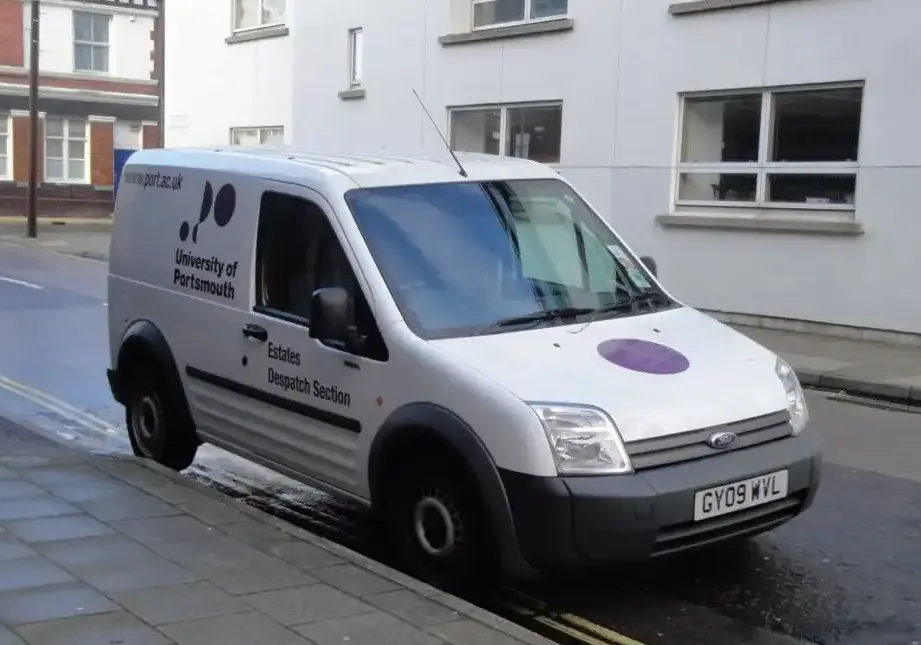
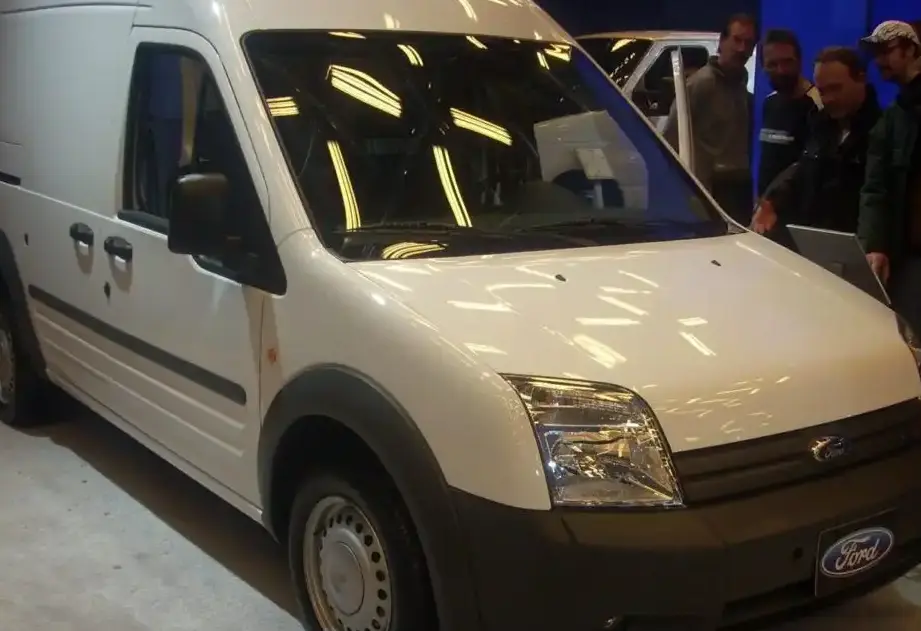
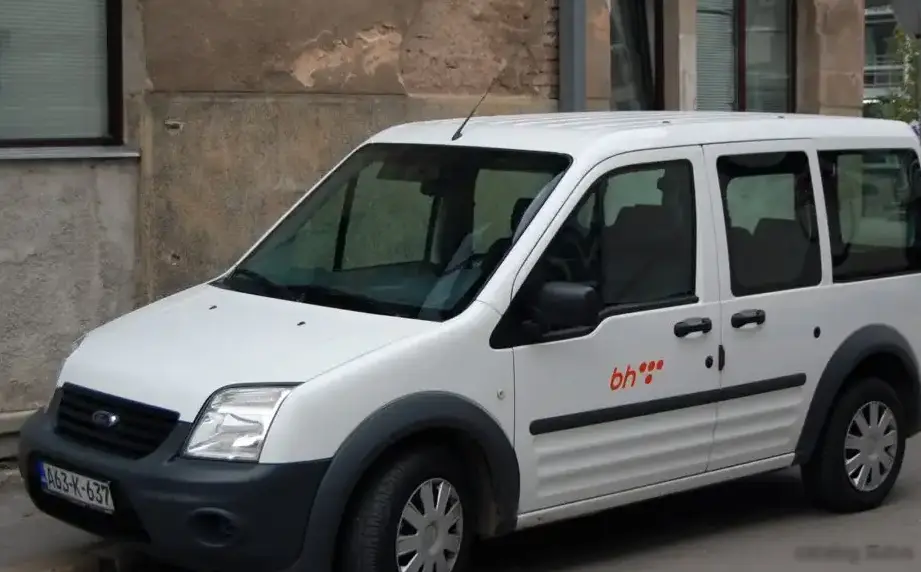
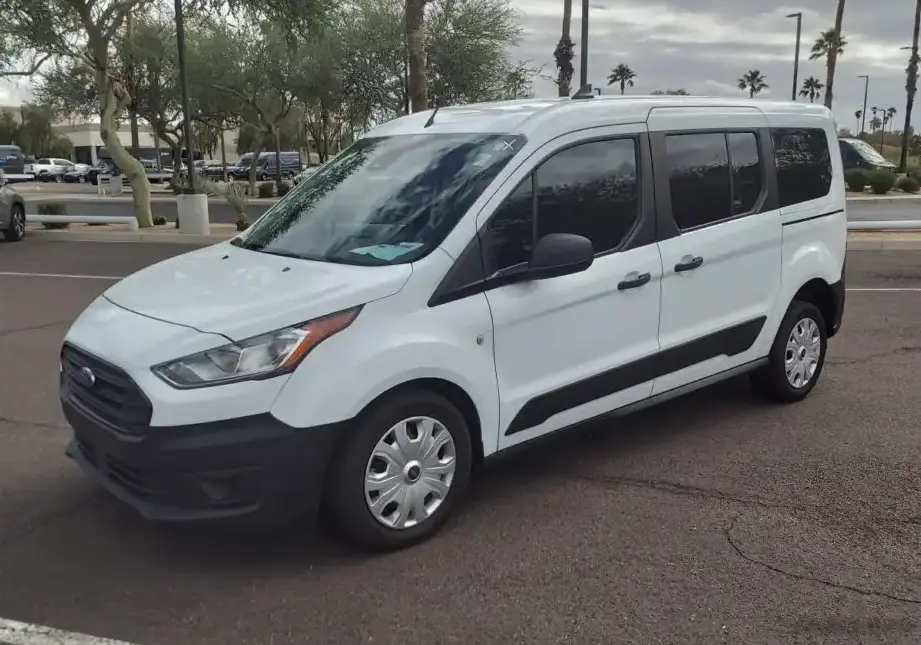
The Ford Transit Connect II, launched in 2013 and receiving a significant facelift in 2018, is a compact panel van and five-to-seven seat passenger van based on the Ford Focus platform (specifically the C2 platform). The Wagon L2 2.0 GDI (162 Hp) SelectShift, introduced with the 2018 refresh, was a key variant aimed at the North American market, where the Transit Connect had gained popularity as a practical and fuel-efficient alternative to larger minivans and SUVs. The “L2” designation indicates the long wheelbase version, offering increased cargo and passenger space. This model year saw updates to the exterior styling, interior technology, and safety features, solidifying the Transit Connect’s position as a versatile family and commercial vehicle.
Powertrain & Engine Architecture
At the heart of the Transit Connect Wagon L2 2.0 GDI SelectShift lies the Ford Duratec 2.0-liter inline-four cylinder engine. This engine, internally designated as the Duratec 20, utilizes direct fuel injection (GDI) and twin independent variable camshaft timing (Ti-VCT) to optimize performance and fuel efficiency. The engine produces 162 horsepower at 6500 rpm and 195 Nm (143.82 lb.-ft.) of torque at 4500 rpm. The SelectShift transmission is a torque converter automatic with eight forward gears. This transmission allows for smooth shifting and helps to keep the engine operating in its optimal power band. The engine’s architecture is relatively simple, contributing to its reliability and ease of maintenance. The direct injection system delivers fuel directly into the combustion chamber, improving combustion efficiency and reducing emissions. The Ti-VCT system adjusts the timing of the intake and exhaust valves to optimize engine performance across a wide range of engine speeds.
Driving Characteristics
The 162 hp 2.0 GDI engine paired with the eight-speed automatic transmission provides adequate, though not exhilarating, performance for the Transit Connect Wagon L2. Acceleration is sufficient for everyday driving situations, but the vehicle is not designed for sporty driving. The eight-speed automatic transmission helps to maximize fuel efficiency and provides smooth gear changes. Compared to the base 1.6L engine option, the 2.0 GDI offers a noticeable improvement in power and responsiveness, particularly when fully loaded with passengers or cargo. The gear ratios are tuned for fuel economy, meaning the engine may need to downshift on inclines or during overtaking maneuvers. Compared to a manual transmission equipped model (not widely available in the US market for this variant), the automatic offers convenience but sacrifices some driver control and potentially a slight reduction in fuel economy.
Equipment & Trim Levels
The Transit Connect Wagon L2 2.0 GDI SelectShift typically came standard with features such as air conditioning, power windows and locks, a rearview camera, and a basic infotainment system with a touchscreen display. Higher trim levels, such as the XLT, added features like alloy wheels, upgraded upholstery, a more advanced infotainment system with Apple CarPlay and Android Auto compatibility, and additional safety features like blind-spot monitoring and rear cross-traffic alert. Optional extras included a panoramic sunroof, heated front seats, and a navigation system. Interior upholstery was typically cloth, with leather options available on higher trims. The dashboard layout was functional and straightforward, prioritizing practicality over luxury.
Chassis & Braking
The Transit Connect II utilizes a McPherson strut front suspension and a semi-independent rear beam suspension. This setup provides a comfortable ride quality, although it is not particularly sporty. The front suspension incorporates a coil spring and anti-roll bar to reduce body roll during cornering. The rear suspension features a stabilizer bar for improved lateral stability. The braking system consists of ventilated discs on the front wheels and solid discs on the rear wheels. Anti-lock braking system (ABS) is standard. The vehicle’s weight distribution and suspension tuning are optimized for carrying both passengers and cargo. The relatively modest weight of the Transit Connect, even in the L2 configuration, contributes to its manageable handling characteristics.
Market Reception & Comparison
The Ford Transit Connect Wagon L2 2.0 GDI SelectShift was generally well-received by critics for its practicality, fuel efficiency, and spacious interior. It was often praised as a sensible alternative to larger, more expensive minivans and SUVs. However, some reviewers noted that the engine could feel underpowered when the vehicle was fully loaded. Compared to other trims in the Transit Connect lineup, the 2.0 GDI SelectShift offered a good balance between performance and fuel economy. The 1.6L engine was more fuel-efficient but lacked the power of the 2.0L, while higher-output engine options were not typically available in the Wagon configuration. Fuel economy figures averaged around 26.1 US mpg combined, making it a competitive option in its class.
Legacy
The Ford Transit Connect II, including the 2.0 GDI SelectShift variant, has proven to be a reliable and durable vehicle. The Duratec 2.0-liter engine is known for its longevity, and the eight-speed automatic transmission has also demonstrated good reliability. On the used car market, these models hold their value reasonably well, particularly those that have been well-maintained. Common maintenance items include routine oil changes, brake pad replacements, and tire rotations. The Transit Connect’s versatility and practicality continue to make it a popular choice for families and businesses seeking a compact and efficient vehicle.