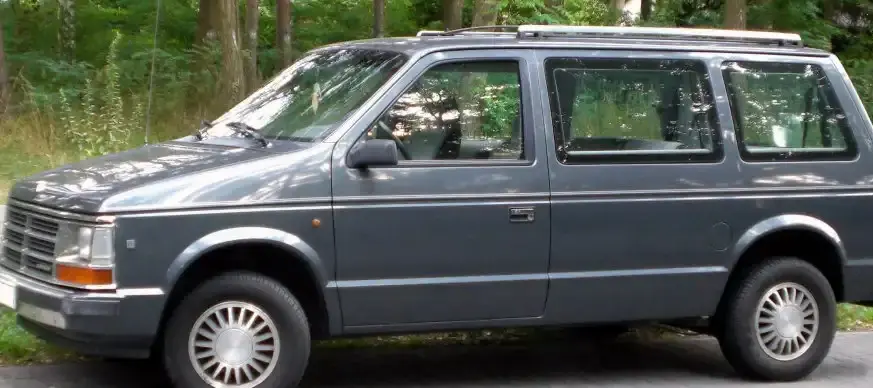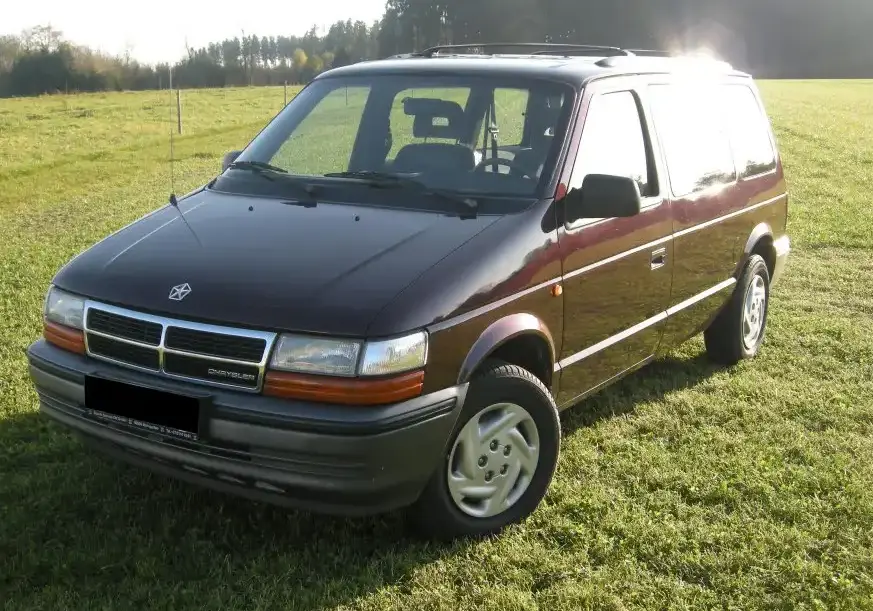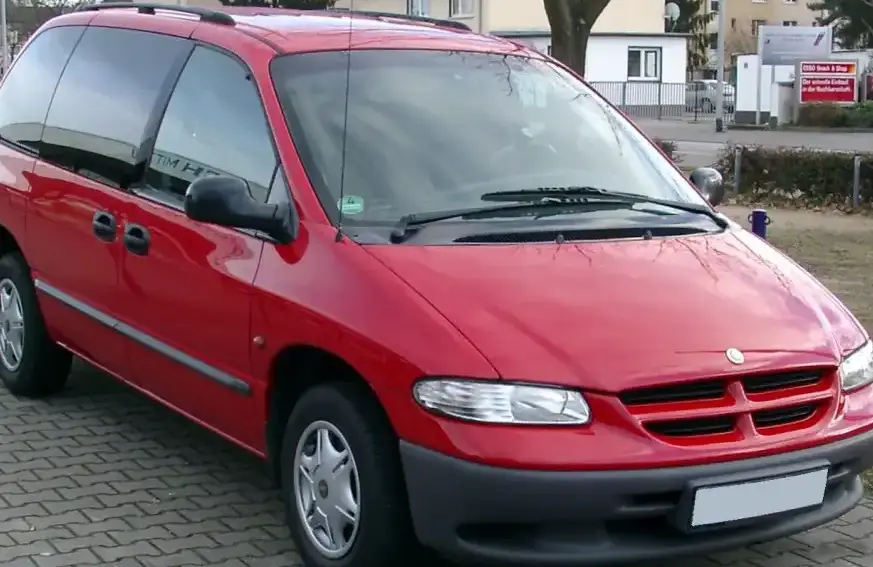
The Chrysler Voyager III 2.0i (133 hp) was a front-wheel-drive minivan produced between 1996 and 2000. Positioned as an entry-level to mid-range offering within the Voyager III lineup, it provided a more affordable alternative to the higher-trim models equipped with larger engines. This variant was primarily sold in European markets, where minivans were gaining popularity as family vehicles. It was based on the Chrysler NS platform, sharing many components with the Dodge Caravan and Plymouth Voyager sold in North America, but tailored to European preferences and regulations. The 2.0i model aimed to balance practicality, space, and reasonable fuel economy for families.
Technical Specifications
| Brand | Chrysler |
| Model | Voyager |
| Generation | Voyager III |
| Type (Engine) | 2.0 i (133 Hp) |
| Start of production | 1996 |
| End of production | 2000 |
| Powertrain Architecture | Internal Combustion engine |
| Body type | Minivan |
| Seats | 7 |
| Doors | 4 |
| Fuel consumption (urban) | 13.2 l/100 km (17.8 US mpg, 21.4 UK mpg, 7.6 km/l) |
| Fuel consumption (extra urban) | 7.7 l/100 km (30.5 US mpg, 36.7 UK mpg, 13 km/l) |
| Fuel consumption (combined) | 9.7 l/100 km (24.2 US mpg, 29.1 UK mpg, 10.3 km/l) |
| CO2 emissions | 250 g/km |
| Fuel Type | Petrol (Gasoline) |
| Acceleration 0 – 100 km/h | 12.6 sec |
| Acceleration 0 – 62 mph | 12.6 sec |
| Acceleration 0 – 60 mph | 12 sec |
| Maximum speed | 175 km/h (108.74 mph) |
| Weight-to-power ratio | 12.8 kg/Hp, 78 Hp/tonne |
| Weight-to-torque ratio | 9.7 kg/Nm, 102.6 Nm/tonne |
| Power | 133 Hp @ 6000 rpm |
| Power per litre | 66.6 Hp/l |
| Torque | 175 Nm @ 5000 rpm (129.07 lb.-ft. @ 5000 rpm) |
| Engine layout | Front, Transverse |
| Engine Model/Code | C00 |
| Engine displacement | 1996 cm3 (121.8 cu. in.) |
| Number of cylinders | 4 |
| Engine configuration | Inline |
| Cylinder Bore | 87.5 mm (3.44 in.) |
| Piston Stroke | 83 mm (3.27 in.) |
| Compression ratio | 9.8:1 |
| Number of valves per cylinder | 4 |
| Fuel injection system | Multi-port manifold injection |
| Engine aspiration | Naturally aspirated engine |
| Valvetrain | OHC |
| Engine oil capacity | 4.3 l (4.54 US qt | 3.78 UK qt) |
| Kerb Weight | 1705 kg (3758.88 lbs.) |
| Max. weight | 2385 kg (5258.02 lbs.) |
| Max load | 680 kg (1499.14 lbs.) |
| Trunk (boot) space – minimum | 450 l (15.89 cu. ft.) |
| Trunk (boot) space – maximum | 1439 l (50.82 cu. ft.) |
| Fuel tank capacity | 76 l (20.08 US gal | 16.72 UK gal) |
| Length | 4733 mm (186.34 in.) |
| Width | 1950 mm (76.77 in.) |
| Height | 1740 mm (68.5 in.) |
| Wheelbase | 2878 mm (113.31 in.) |
| Front track | 1600 mm (62.99 in.) |
| Rear (Back) track | 1626 mm (64.02 in.) |
| Drivetrain Architecture | The Internal combustion engine (ICE) drives the front wheels of the vehicle. |
| Drive wheel | Front wheel drive |
| Number of gears and type of gearbox | 5 gears, manual transmission |
| Front suspension | Wishbone |
| Rear suspension | Rigid axle suspension |
| Front brakes | Ventilated discs |
| Rear brakes | Drum |
| Assisting systems | ABS (Anti-lock braking system) |
| Steering type | Steering rack and pinion |
| Power steering | Hydraulic Steering |
| Tires size | 215/65 R15 |
Powertrain & Engine Architecture
The Voyager III 2.0i utilized the Chrysler C00 engine, a 1.996-liter inline-four cylinder gasoline engine. This engine featured a single overhead camshaft (OHC) design with four valves per cylinder. Fuel delivery was managed by a multi-port fuel injection system, providing a balance between efficiency and performance. The engine produced 133 horsepower at 6000 rpm and 175 Nm (129 lb-ft) of torque at 5000 rpm. The 9.8:1 compression ratio was typical for the era, aiming for a compromise between power and the ability to run on readily available fuel grades. The engine was transversely mounted in the front of the vehicle, driving the front wheels. The standard transmission was a five-speed manual gearbox, although a four-speed automatic transmission was also available as an option, impacting performance and fuel economy.
Driving Characteristics
The 2.0i Voyager III offered adequate, but not exhilarating, performance. Acceleration from 0 to 60 mph took approximately 12 seconds, and the top speed was around 109 mph. Compared to the larger engine options (such as the 2.4L or 2.5L engines), the 2.0i felt noticeably slower, particularly when fully loaded with passengers and cargo. The five-speed manual transmission allowed drivers to keep the engine in its optimal power band, but the relatively low torque output meant frequent downshifting was necessary, especially on inclines. The automatic transmission, while offering convenience, further reduced acceleration and increased fuel consumption. Handling was typical for a minivan – comfortable and predictable, but not sporty. The focus was on providing a smooth and stable ride for passengers.
Equipment & Trim Levels
The 2.0i Voyager III typically came with a reasonable level of standard equipment. This included power steering, central locking, electric front windows, and an AM/FM radio. Interior upholstery was usually cloth, with a relatively simple dashboard layout. Optional extras included air conditioning, alloy wheels, a sunroof, and upgraded audio systems. The trim level was generally considered entry-level to mid-range, offering a good balance of features and affordability. Higher trim levels added features like leather upholstery, woodgrain interior trim, and more advanced audio systems.
Chassis & Braking
The Voyager III utilized a front-wheel-drive chassis with an independent wishbone suspension at the front and a rigid axle suspension at the rear. This setup provided a comfortable ride, but wasn’t particularly sophisticated in terms of handling. Braking consisted of ventilated discs at the front and drum brakes at the rear. Anti-lock Braking System (ABS) was standard, enhancing safety. The steering was rack and pinion, providing reasonable precision. Tire size was typically 215/65 R15.
Market Reception & Comparison
The 2.0i Voyager III was generally well-received as an affordable and practical family vehicle. Critics noted its spacious interior, comfortable ride, and reasonable fuel economy. However, the engine’s lack of power was a common criticism, particularly when compared to the larger engine options. The 2.4L engine offered a significant performance boost, while the diesel variants (where available) provided superior fuel economy. The 2.0i appealed to buyers who prioritized affordability and practicality over outright performance. Compared to competitors like the Renault Espace or Volkswagen Sharan, the Voyager III offered a more American-style design and a focus on interior space.
Legacy
The Chrysler Voyager III 2.0i, while not the most powerful or technologically advanced minivan of its era, remains a relatively reliable and affordable used car option. The C00 engine, while not known for exceptional longevity, is generally durable with proper maintenance. Common issues include oil leaks and occasional sensor failures. The availability of parts is generally good, and the relatively simple mechanical design makes it accessible for DIY repairs. Today, these Voyagers are often found as budget-friendly family transport, appreciated for their spaciousness and practicality. The 2.0i variant, in particular, represents a good entry point into Voyager ownership for those seeking a cost-effective and reliable minivan.