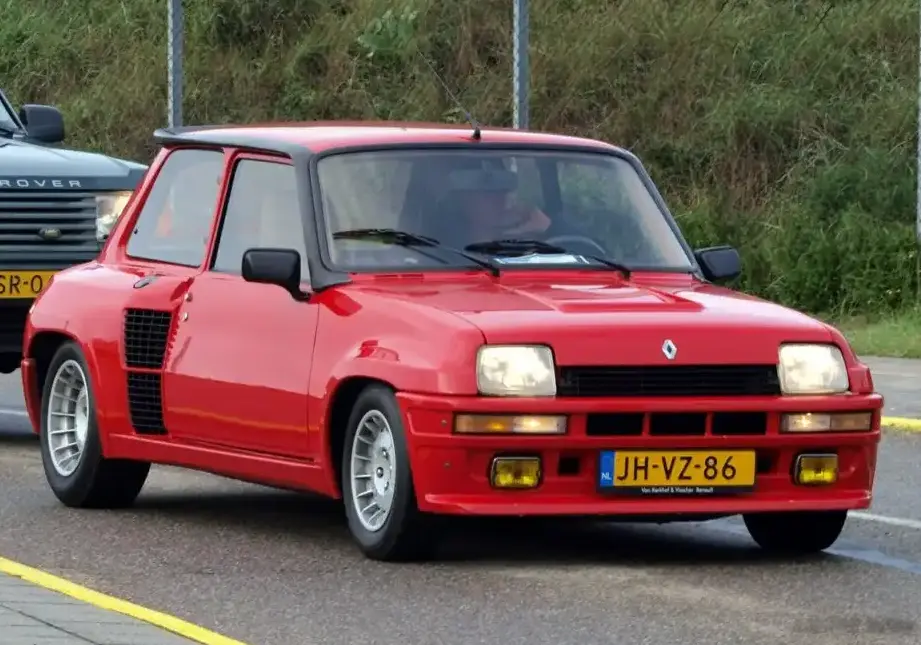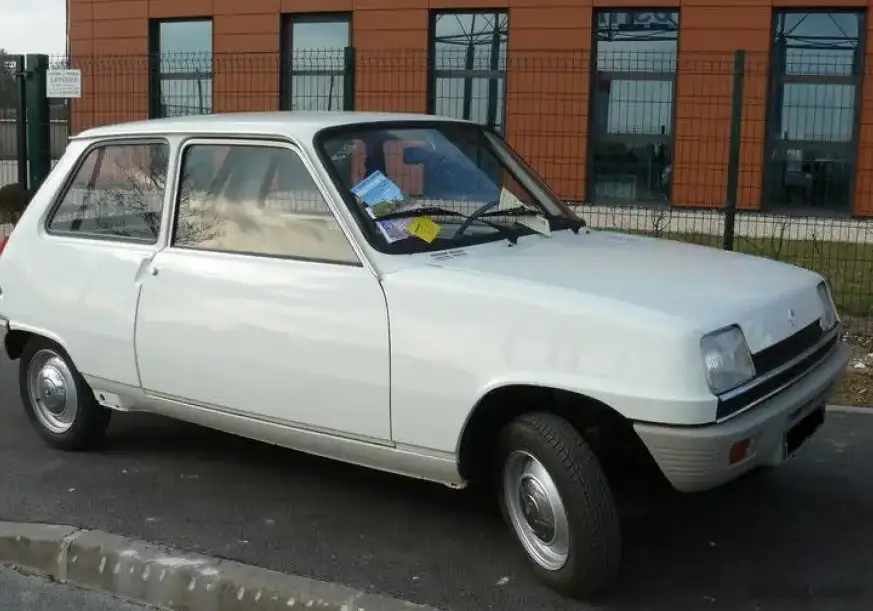
The Renault 5 Alpine 1.4 Turbo, produced between 1981 and 1985, represents a significant performance variant within the broader Renault 5 range. Falling within the second generation of the Renault 5 (often referred to as the 5 GTL/Alpine series), this model aimed to bring accessible turbocharged performance to a wider audience. It was positioned as the flagship performance model, bridging the gap between the standard Renault 5 and more exotic sports cars of the era. The Alpine trim level, historically associated with Renault’s motorsport heritage through the Alpine A110 and A310, lent a sporty cachet to the smaller hatchback.
Technical Specifications
| Brand | Renault |
| Model | 5 |
| Generation | 5 |
| Type (Engine) | Alpine 1.4 Turbo (108 Hp) |
| Start of production | 1981 |
| End of production | 1985 |
| Powertrain Architecture | Internal Combustion engine |
| Body type | Hatchback |
| Seats | 5 |
| Doors | 3 |
| Fuel Type | Petrol (Gasoline) |
| Power | 108 Hp |
| Engine layout | Front, Transverse |
| Engine Model/Code | C6J 750, 840 726 |
| Fuel injection system | Carburettor |
| Engine aspiration | Turbocharger |
| Engine oil capacity | 3.7 l (3.91 US qt | 3.26 UK qt) |
| Coolant capacity | 6.3 l (6.66 US qt | 5.54 UK qt) |
| Fuel tank capacity | 53 l (14 US gal | 11.66 UK gal) |
| Drivetrain Architecture | Internal Combustion engine (ICE) drives the front wheels |
| Drive wheel | Front wheel drive |
| Number of gears | 5 |
| Gearbox type | Manual transmission |
Powertrain & Engine Architecture
The heart of the Renault 5 Alpine 1.4 Turbo is the C6J engine, specifically the 750 and 840 726 variants. This 1397cc inline-four cylinder engine is notable for being one of the first production turbocharged engines in a small, affordable European hatchback. While the displacement is relatively small, the addition of a Garrett T2 turbocharger and intercooler significantly boosted power output to 108 horsepower. Critically, the engine utilized a Solex C35 PHH carburetor, a somewhat unusual choice for a turbocharged engine, as fuel injection was becoming more common. This carburetor was specifically tuned for the turbocharger, but it did present some compromises in terms of precise fuel metering compared to injection systems. The engine features a single overhead camshaft (SOHC) valvetrain, operating two valves per cylinder. The turbocharger provides approximately 7.5 psi of boost. The engine’s relatively low compression ratio (8.5:1) was necessary to accommodate the turbocharging system and prevent pre-ignition.
Driving Characteristics
The Renault 5 Alpine 1.4 Turbo offered a distinctly different driving experience compared to the naturally aspirated Renault 5 models. The turbocharger delivers a noticeable surge of power around 3000 rpm, providing brisk acceleration. While 108 hp doesn’t sound like much by modern standards, it was substantial for a car weighing around 1800 lbs. The five-speed manual transmission was well-matched to the engine’s powerband, allowing drivers to keep the engine in its optimal boost range. Gear ratios were relatively short, contributing to the car’s lively acceleration. However, the turbo lag was noticeable, requiring drivers to anticipate and plan ahead when overtaking or accelerating from slower speeds. The suspension, while based on the standard Renault 5 setup, was slightly stiffer and featured upgraded dampers to handle the increased power. The steering was light and responsive, making the car enjoyable to drive on winding roads. Compared to a standard Renault 5, the Alpine Turbo felt significantly faster and more engaging, but it lacked the refinement of more expensive sports cars.
Equipment & Trim Levels
The Alpine trim level included several distinguishing features. Exterior enhancements included distinctive Alpine badging, wider wheel arches to accommodate the larger tires, and often, a rear spoiler. Inside, the Alpine models featured sport seats with patterned upholstery, a three-spoke steering wheel, and additional instrumentation, including a boost gauge. While not lavishly equipped by modern standards, the Alpine offered a reasonable level of comfort and convenience for its time. Optional extras included a sunroof, upgraded stereo system, and metallic paint finishes. The interior was generally functional and focused on the driving experience, with a relatively simple dashboard layout. The Alpine trim was positioned as the premium offering within the Renault 5 range, appealing to drivers who wanted a sporty and stylish hatchback.
Chassis & Braking
The Renault 5 Alpine 1.4 Turbo utilized a front-wheel-drive chassis with a MacPherson strut front suspension and a torsion beam rear suspension. The suspension was tuned for a balance between comfort and handling, providing a reasonably compliant ride while minimizing body roll during cornering. Braking was initially equipped with front disc brakes and rear drum brakes. Later models often received rear disc brakes as standard equipment, improving stopping performance. The brakes were adequate for the car’s performance, but they could fade under sustained hard use. The steering was a rack-and-pinion system, providing precise and responsive steering feel. The car’s relatively light weight contributed to its nimble handling characteristics.
Market Reception & Comparison
The Renault 5 Alpine 1.4 Turbo was generally well-received by automotive critics and enthusiasts. It was praised for its lively performance, affordable price, and distinctive styling. However, the carburetor-based fuel system was sometimes criticized for its lack of precision and potential for tuning issues. Compared to other hot hatchbacks of the era, such as the Volkswagen Golf GTI, the Renault 5 Alpine Turbo offered a different character. The Golf GTI was generally considered more refined and practical, while the Renault 5 Alpine Turbo was more focused on providing a raw and engaging driving experience. Fuel economy was reasonable for a turbocharged car of the early 1980s, averaging around 30-35 mpg. Reliability was generally good, but the turbocharger and carburetor required regular maintenance to ensure optimal performance.
Legacy
The Renault 5 Alpine 1.4 Turbo holds a special place in automotive history as one of the pioneers of affordable turbocharged performance. It demonstrated that a small, lightweight hatchback could be transformed into a genuinely fun and engaging sports car with the addition of a turbocharger. Today, the Renault 5 Alpine 1.4 Turbo is a sought-after classic car, particularly among enthusiasts who appreciate its unique character and historical significance. Well-maintained examples are becoming increasingly rare and valuable. The powertrain, while relatively simple by modern standards, is generally reliable if properly maintained. However, finding parts can be challenging, and specialized knowledge is required to diagnose and repair any issues with the turbocharger or carburetor. The Renault 5 Alpine 1.4 Turbo remains a testament to Renault’s commitment to innovation and its ability to create exciting and accessible cars for a wide range of drivers.