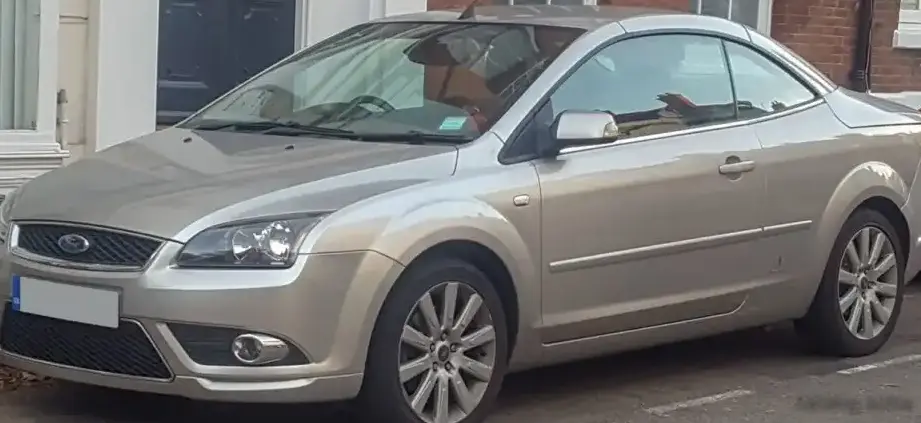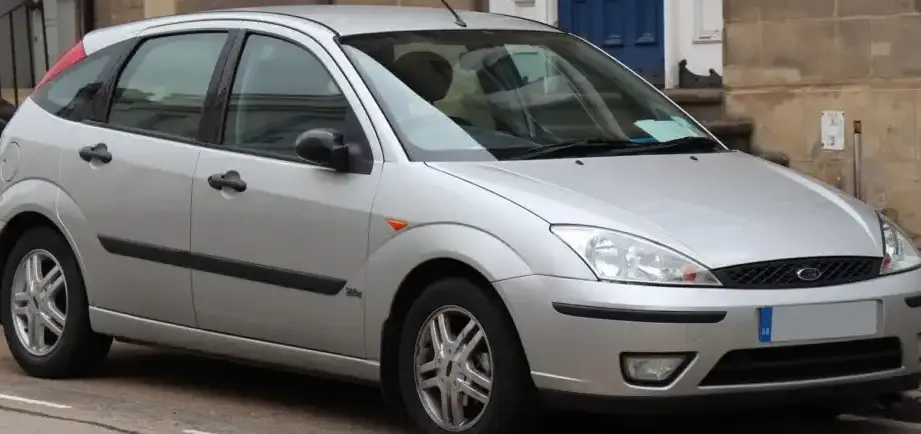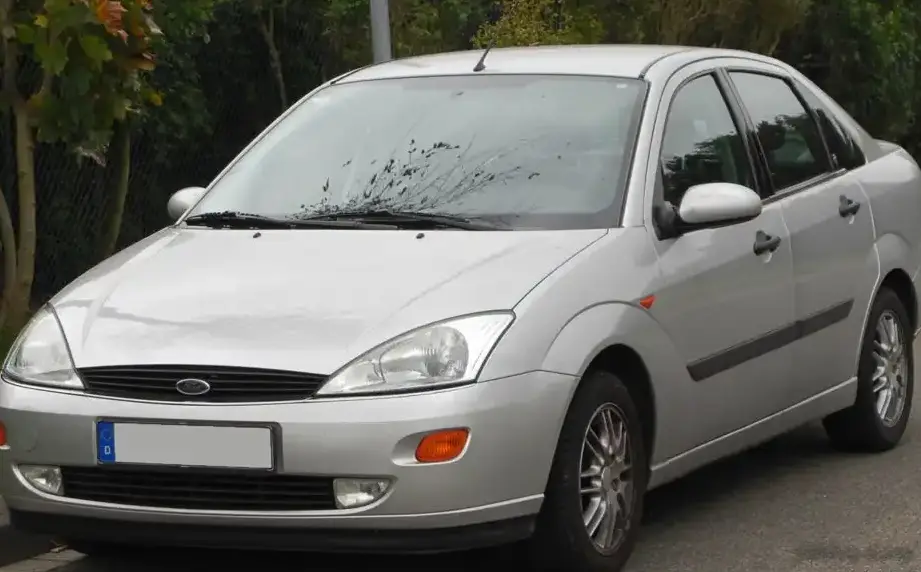
The Ford Focus I Sedan 1.8 16V, produced from 1998 to 2005, represented a significant step forward for Ford in the compact car segment. Part of the first generation Focus range (internally designated the 1HX0/A3 platform), this variant offered a balance between affordability, practicality, and reasonable performance. It was positioned as a mid-range offering within the sedan body style, slotting between the base 1.4L engine and the more powerful, though less common, 2.0L variants. The Focus aimed to replace the aging Escort and provide a more modern, globally competitive vehicle, particularly in the European market where the hatchback version was immensely popular. The sedan, while less prevalent in Europe, was specifically tailored for markets like North America and parts of Asia where sedan body styles held greater appeal.
Technical Specifications
| Brand | Ford |
| Model | Focus |
| Generation | Focus I Sedan |
| Type (Engine) | 1.8 16V (115 Hp) |
| Start of production | 1998 |
| End of production | 2005 |
| Powertrain Architecture | Internal Combustion engine |
| Body type | Sedan |
| Seats | 5 |
| Doors | 4 |
| Fuel consumption (urban) | 10.3 l/100 km (22.8 US mpg) |
| Fuel consumption (extra urban) | 6 l/100 km (39.2 US mpg) |
| Fuel consumption (combined) | 7.5 l/100 km (31.4 US mpg) |
| Fuel Type | Petrol (Gasoline) |
| Acceleration 0 – 100 km/h | 10.3 sec |
| Acceleration 0 – 62 mph | 10.3 sec |
| Acceleration 0 – 60 mph | 9.8 sec |
| Maximum speed | 198 km/h (123.03 mph) |
| Weight-to-power ratio | 10 kg/Hp |
| Weight-to-torque ratio | 7.2 kg/Nm |
| Power | 115 Hp @ 5750 rpm |
| Torque | 160 Nm @ 4500 rpm (118.01 lb.-ft. @ 4500 rpm) |
| Engine layout | Front, Transverse |
| Engine Model/Code | EYDC, EYDB, EYDD, EYDE, EYDG, EYDI, EYDJ, EYDL |
| Engine displacement | 1796 cm3 (109.6 cu. in.) |
| Number of cylinders | 4 |
| Engine configuration | Inline |
| Cylinder Bore | 80.6 mm (3.17 in.) |
| Piston Stroke | 88 mm (3.46 in.) |
| Compression ratio | 9.8:1 |
| Number of valves per cylinder | 4 |
| Fuel injection system | Multi-port manifold injection |
| Engine aspiration | Naturally aspirated engine |
| Valvetrain | DOHC |
| Engine oil capacity | 4.25 l (4.49 US qt | 3.74 UK qt) |
| Coolant capacity | 5.75 l (6.08 US qt | 5.06 UK qt) |
| Kerb Weight | 1145 kg (2524.29 lbs.) |
| Max. weight | 1655 kg (3648.65 lbs.) |
| Max load | 510 kg (1124.36 lbs.) |
| Trunk (boot) space – minimum | 490 l (17.3 cu. ft.) |
| Fuel tank capacity | 55 l (14.53 US gal | 12.1 UK gal) |
| Length | 4362 mm (171.73 in.) |
| Width | 1698 mm (66.85 in.) |
| Height | 1430 mm (56.3 in.) |
| Wheelbase | 2615 mm (102.95 in.) |
| Front track | 1484 mm (58.43 in.) |
| Rear track | 1477 mm (58.15 in.) |
| Drivetrain Architecture | Front wheel drive |
| Number of gears | 5 |
| Gearbox type | Manual transmission |
| Front suspension | Wishbone |
| Rear suspension | Coil spring |
| Front brakes | Ventilated discs |
| Rear brakes | Disc |
| Assisting systems | ABS (Anti-lock braking system) |
| Steering type | Steering rack and pinion |
| Power steering | Hydraulic Steering |
| Tires size | 185/60 R14 |
Powertrain & Engine Architecture
The heart of the Focus 1.8 16V was the Zetec-E engine, specifically the EYDC (and related codes like EYDB, EYDD, etc.) variant. This 1.8-liter inline-four engine featured a dual overhead camshaft (DOHC) design with four valves per cylinder, contributing to its relatively high output for its displacement. The engine utilized a multi-port fuel injection system, delivering fuel directly into the intake ports, optimizing combustion efficiency. The compression ratio of 9.8:1 was a compromise between performance and the ability to run on readily available gasoline grades. The engine’s construction featured a cast iron block and an aluminum cylinder head, balancing durability with weight reduction. Paired with this engine was a five-speed manual transmission, providing a good balance of fuel economy and driver control. The transmission was a conventional design, known for its durability and relatively simple maintenance requirements.
Driving Characteristics
The 1.8L 16V engine delivered a respectable 115 horsepower, providing adequate acceleration for everyday driving. Zero to sixty mph times were around 9.8 seconds, and top speed was approximately 123 mph. While not a sports car, the Focus 1.8 offered a more engaging driving experience than many of its competitors. The five-speed manual transmission allowed drivers to keep the engine in its optimal power band, resulting in responsive acceleration. Compared to the base 1.4L engine, the 1.8 offered significantly more power and torque, making it more suitable for highway driving and carrying passengers or cargo. However, it didn’t possess the outright performance of the 2.0L variants, which were geared towards a more enthusiastic driver. The gear ratios were fairly standard for the class, prioritizing fuel efficiency without sacrificing too much responsiveness.
Equipment & Trim Levels
The Focus 1.8 16V was typically offered in several trim levels, varying by market. Standard equipment generally included power steering, central locking, electric front windows, and an adjustable steering column. Higher trim levels added features such as air conditioning, alloy wheels, a CD player, and upgraded interior trim. Interior upholstery was typically cloth, with options for upgraded materials on higher-spec models. The dashboard layout was functional and straightforward, prioritizing usability over flashy design. Optional extras included a sunroof, rear electric windows, and a trip computer.
Chassis & Braking
The Focus I Sedan featured independent front suspension with MacPherson struts and a multi-link rear suspension, providing a comfortable ride and good handling characteristics. The front brakes were ventilated discs, offering good stopping power, while the rear brakes were typically solid discs. Anti-lock Braking System (ABS) was standard, enhancing safety. The chassis was relatively lightweight, contributing to the car’s agility. Stabilizer bars were fitted to both the front and rear axles, reducing body roll during cornering.
Market Reception & Comparison
The Ford Focus 1.8 16V was generally well-received by automotive critics. It was praised for its comfortable ride, responsive handling, and relatively spacious interior. Fuel economy was considered competitive for its class, averaging around 31.4 US mpg in combined driving. Compared to other trims, the 1.8L offered a sweet spot between performance and affordability. The 1.4L was often criticized for being underpowered, while the 2.0L was more expensive and didn’t offer a significant enough performance gain for many buyers. Reliability was generally good, although some owners reported minor issues with the fuel injection system and cooling system.
Legacy
The Ford Focus I Sedan 1.8 16V remains a popular choice in the used car market, particularly for its affordability and reliability. The Zetec-E engine is known for its durability, and parts are readily available. While not a particularly exciting car, it represents a solid and practical choice for those seeking a dependable compact sedan. The Focus I generation, as a whole, established Ford as a serious contender in the global compact car market, paving the way for subsequent generations of the Focus that continue to be popular today. The 1.8L variant, while not the most sought-after trim, offers a good balance of performance, economy, and reliability, making it a sensible option for budget-conscious buyers.