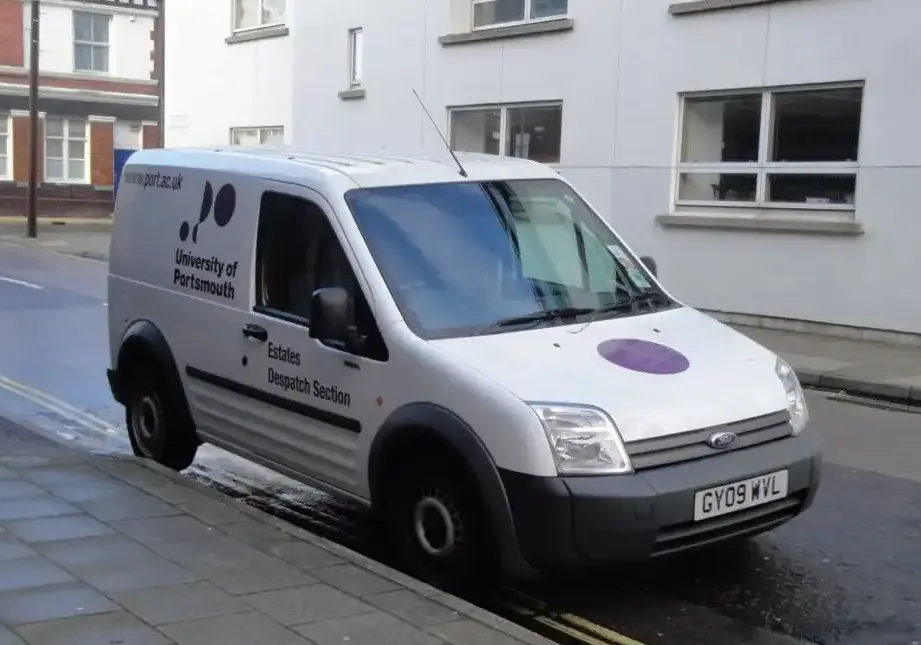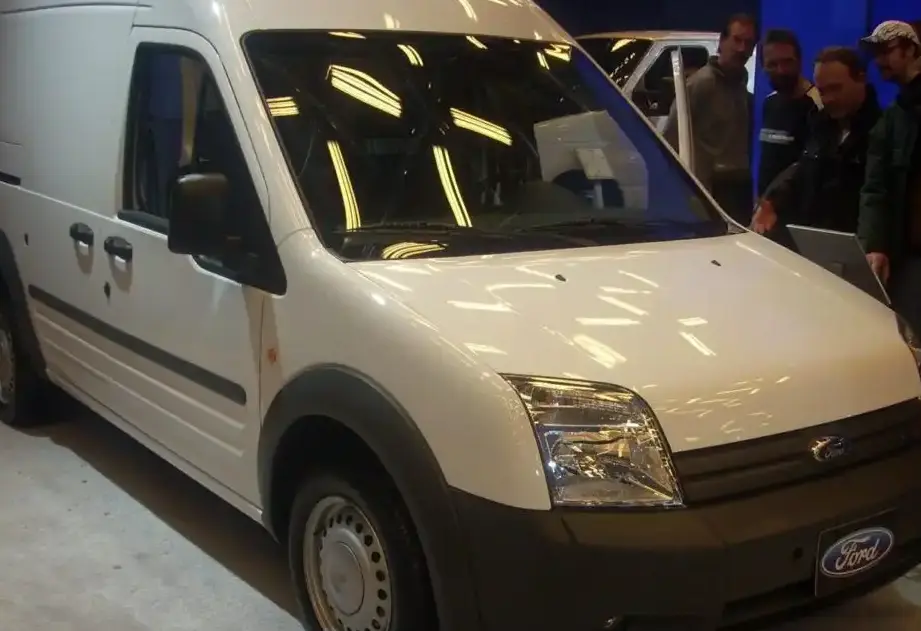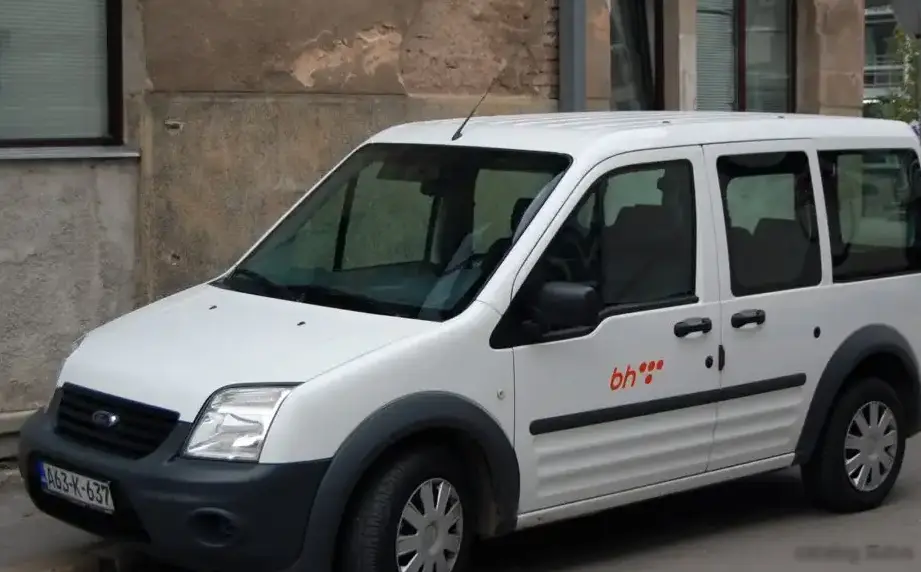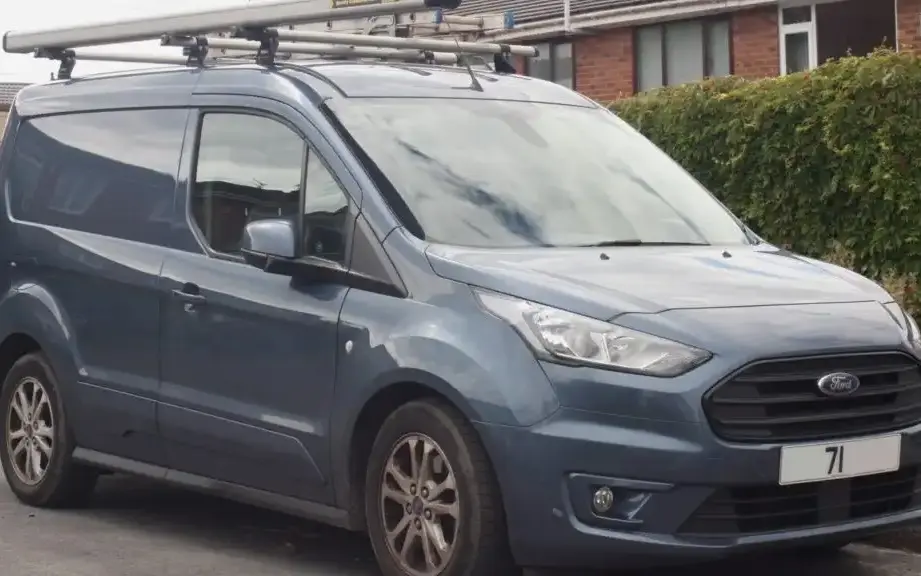
The Ford Transit Connect II, specifically the facelifted version introduced in 2018, represented a significant update to Ford’s compact commercial and passenger van offering in the European and North American markets. This variant, the Panel Van L1 1.5 EcoBlue with 120 horsepower and an automatic transmission, occupied a middle ground in the Transit Connect lineup, balancing affordability with reasonable performance and convenience. Production of this configuration ran from 2018 through 2023, catering to businesses and individuals needing a versatile, fuel-efficient vehicle for urban deliveries, service applications, or small family transport. The L1 designation indicates the short wheelbase version, making it particularly maneuverable in congested areas.
Technical Specifications
| Brand | Ford |
| Model | Transit Connect |
| Generation | Transit Connect II (facelift 2018) Panel Van L1 |
| Type (Engine) | 1.5 EcoBlue (120 Hp) Automatic |
| Start of production | 2018 |
| End of production | 2023 |
| Powertrain Architecture | Internal Combustion engine |
| Body type | Minivan |
| Seats | 2-3 |
| Doors | 4-5 |
| Fuel consumption (urban) | 5.2-6 l/100 km (45.2 – 39.2 US mpg) |
| Fuel consumption (extra urban) | 4.7-5 l/100 km (50 – 47 US mpg) |
| Fuel consumption (combined) | 5.1-5.2 l/100 km (46.1 – 45.2 US mpg) |
| CO2 emissions | 134-138 g/km |
| Fuel Type | Diesel |
| Emission standard | Euro 6d-TEMP-EVAP-ISC |
| Weight-to-power ratio | 12.5 kg/Hp |
| Weight-to-torque ratio | 5.6 kg/Nm |
| Power | 120 Hp |
| Torque | 270 Nm (199.14 lb.-ft.) |
| Engine layout | Front, Transverse |
| Engine Model/Code | ZTGA |
| Engine displacement | 1498 cm3 (91.41 cu. in.) |
| Number of cylinders | 4 |
| Engine configuration | Inline |
| Cylinder Bore | 75 mm (2.95 in.) |
| Piston Stroke | 84.8 mm (3.34 in.) |
| Number of valves per cylinder | 4 |
| Fuel injection system | Diesel Commonrail |
| Engine aspiration | Turbocharger, Intercooler |
| Valvetrain | DOHC |
| Engine oil capacity | 6 l (6.34 US qt | 5.28 UK qt) |
| Coolant capacity | 7 l (7.4 US qt | 6.16 UK qt) |
| Kerb Weight | 1502-1551 kg (3311.34 – 3419.37 lbs.) |
| Max. weight | 2130-2405 kg (4695.85 – 5302.12 lbs.) |
| Max load | 628-854 kg (1384.5 – 1882.75 lbs.) |
| Trunk (boot) space – minimum | 2600 l (91.82 cu. ft.) |
| Trunk (boot) space – maximum | 3700 l (130.66 cu. ft.) |
| Fuel tank capacity | 60 l (15.85 US gal | 13.2 UK gal) |
| AdBlue tank | 17 l (4.49 US gal | 3.74 UK gal) |
| Permitted trailer load (braked) | 1500 kg (3306.93 lbs.) |
| Permitted trailer load (unbraked) | 750 kg (1653.47 lbs.) |
| Length | 4425 mm (174.21 in.) |
| Width | 1835 mm (72.24 in.) |
| Width with mirrors folded | 1967 mm (77.44 in.) |
| Width including mirrors | 2137 mm (84.13 in.) |
| Height | 1830 mm (72.05 in.) |
| Wheelbase | 2662 mm (104.8 in.) |
| Front track | 1568 mm (61.73 in.) |
| Rear track | 1582 mm (62.28 in.) |
| Front overhang | 885 mm (34.84 in.) |
| Rear overhang | 878 mm (34.57 in.) |
| Ride height | 148 mm (5.83 in.) |
| Turning circle | 11.7 m (38.39 ft.) |
| Drivetrain | Front wheel drive |
| Gearbox | 8 gears, automatic transmission |
| Front suspension | Independent, McPherson with coil spring and anti-roll bar |
| Rear suspension | Semi-dependent beam with stabilizer |
| Front brakes | Ventilated discs |
| Rear brakes | Disc |
| Steering | Steering rack and pinion, Electric Power Steering |
| Tires | 205/60 R16; 215/55 R16; 215/55 R17 |
| Wheel rims | 6.5J x 16; 6.5J x 17 |
INTRODUCTION
The 2018-2023 Ford Transit Connect L1 1.5 EcoBlue 120 hp Automatic represents a practical and efficient solution for light commercial and passenger vehicle needs. Built on the P245 platform (also known as the 1HX0/A3 platform shared with the Ford Focus), this variant aimed to provide a balance between fuel economy, usability, and affordability. Positioned as a mid-range offering, it slotted between the base 1.0 EcoBoost engine and the more powerful diesel options, appealing to buyers who prioritized a smooth automatic transmission and adequate performance for typical urban and suburban driving. The facelift brought updated styling, improved technology, and enhanced safety features compared to the pre-2018 models.
Powertrain & Engine Architecture
At the heart of this Transit Connect variant lies the 1.5-liter EcoBlue turbocharged diesel engine, designated with the engine code ZTGA. This engine is a member of Ford’s EcoBlue family, known for its focus on efficiency and reduced emissions. The 1.5L utilizes a common-rail direct fuel injection system, delivering fuel directly into the combustion chamber at extremely high pressure for optimized combustion. The engine features a single overhead camshaft (SOHC) design with four valves per cylinder (DOHC), contributing to efficient gas exchange. The turbocharger, coupled with an intercooler, forces more air into the engine, boosting power output. The eight-speed automatic transmission, sourced from Getrag, provides smooth and efficient gear changes. This transmission was chosen for its ability to optimize engine performance and fuel economy, particularly in stop-and-go traffic. The automatic transmission’s gear ratios are tuned for a balance of acceleration and fuel efficiency, with a relatively tall final drive to aid in highway cruising.
Driving Characteristics
The 120 horsepower and 270 Nm (199 lb-ft) of torque produced by the 1.5 EcoBlue engine provide adequate, though not exhilarating, performance. Acceleration is best described as steady, suitable for city driving and moderate highway speeds. Compared to the higher-output diesel versions, this variant feels noticeably less powerful, especially when fully loaded. The automatic transmission contributes to a relaxed driving experience, eliminating the need for constant gear changes. However, it can sometimes feel hesitant during quick overtaking maneuvers. The L1 wheelbase contributes to nimble handling, making it easy to maneuver in tight spaces. The suspension is tuned for comfort, absorbing bumps and imperfections in the road reasonably well, although the ride can become a bit bouncy when carrying a heavy load. The eight-speed automatic helps keep the engine in its optimal power band, minimizing the need for downshifts.
Equipment & Trim Levels
The 1.5 EcoBlue 120 hp Automatic Transit Connect L1 typically came standard with features such as air conditioning, power windows, a basic audio system with USB connectivity, and a driver’s airbag. Higher trim levels added features like a touchscreen infotainment system with navigation, Bluetooth connectivity, cruise control, rear parking sensors, and upgraded interior trim. Interior upholstery was typically cloth, with durable and practical materials used throughout the cabin. Optional extras included alloy wheels, a rearview camera, and various cargo area configurations. The Panel Van L1 configuration prioritized cargo space, with minimal interior finishing beyond the driver and passenger areas.
Chassis & Braking
The Transit Connect utilizes an independent McPherson strut suspension setup at the front, providing good handling and ride comfort. The rear suspension employs a semi-independent twist beam configuration, which is cost-effective and provides adequate stability for typical loads. Braking duties are handled by ventilated discs at the front and solid discs at the rear. Anti-lock Braking System (ABS) is standard, enhancing safety during emergency braking situations. The steering is rack-and-pinion with electric power assistance, providing light and precise steering feel.
Market Reception & Comparison
The Transit Connect 1.5 EcoBlue Automatic was generally well-received by critics as a practical and fuel-efficient option. It was praised for its maneuverability, comfortable ride, and relatively low running costs. However, some reviewers noted that the 120 hp engine could feel underpowered when fully loaded or when driving on steep inclines. Compared to the more powerful diesel variants, this version offered lower performance but better fuel economy. Against competitors like the Volkswagen Caddy and Citroën Berlingo, the Transit Connect offered a competitive package in terms of price, features, and practicality. The automatic transmission was a key selling point for buyers who preferred the convenience of not having to shift gears.
Legacy
The Ford Transit Connect II, particularly the 1.5 EcoBlue variants, has proven to be a reliable and durable vehicle. The EcoBlue engine, while not without its complexities, has generally demonstrated good longevity when properly maintained. In the used car market, these models remain popular due to their practicality, fuel efficiency, and relatively affordable price point. Common maintenance items include regular oil changes, filter replacements, and occasional attention to the diesel particulate filter (DPF). The eight-speed automatic transmission has also proven to be generally reliable, although proper fluid changes are essential for long-term health. Overall, the 2018-2023 Ford Transit Connect L1 1.5 EcoBlue 120 hp Automatic continues to be a viable option for those seeking a versatile and economical light commercial or passenger vehicle.