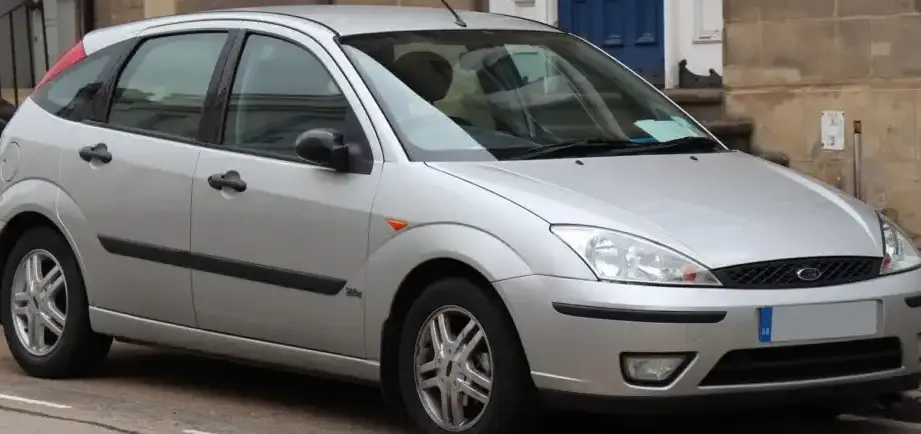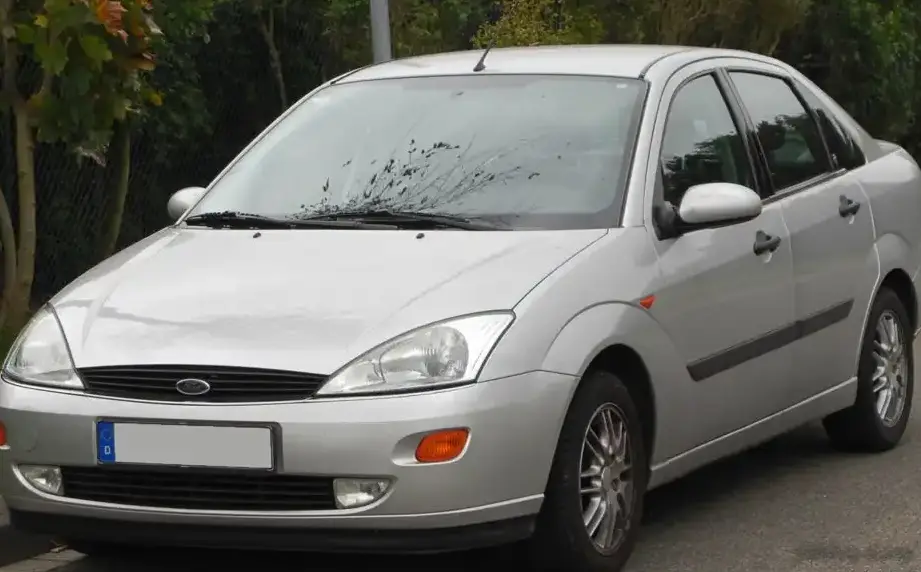
The Ford Focus I Sedan 2.0 16V, produced between 2001 and 2005, represented a significant step forward for Ford in the compact sedan segment. This variant, powered by the Zetec 2.0-liter engine producing 130 horsepower, occupied a mid-range position within the first generation Focus lineup, offering a balance between performance and affordability. It was primarily marketed in Europe and other international markets, serving as a practical and relatively sporty option for families and individuals seeking a comfortable and reliable vehicle. The Focus I sedan, built on the C170 platform, aimed to provide a more refined driving experience than its predecessor, the Escort.
Technical Specifications
| Brand | Ford |
| Model | Focus |
| Generation | Focus I Sedan |
| Type (Engine) | 2.0 16V (130 Hp) |
| Start of production | 2001 |
| End of production | 2005 |
| Powertrain Architecture | Internal Combustion engine |
| Body type | Sedan |
| Seats | 5 |
| Doors | 4 |
| Fuel consumption (urban) | 11.8 l/100 km (19.9 US mpg) |
| Fuel consumption (extra urban) | 7.2 l/100 km (32.7 US mpg) |
| Fuel consumption (combined) | 8.7 l/100 km (27 US mpg) |
| Fuel Type | Petrol (Gasoline) |
| Acceleration 0 – 100 km/h | 9.3 sec |
| Acceleration 0 – 62 mph | 9.3 sec |
| Acceleration 0 – 60 mph | 8.8 sec |
| Maximum speed | 201 km/h (124.9 mph) |
| Weight-to-power ratio | 9.5 kg/Hp |
| Weight-to-torque ratio | 7.7 kg/Nm |
| Power | 130 Hp @ 5500 rpm |
| Torque | 160 Nm @ 4400 rpm (118.01 lb.-ft. @ 4400 rpm) |
| Engine layout | Front, Transverse |
| Engine Model/Code | EDDC, EDDB, EDDD, EDDF |
| Engine displacement | 1988 cm3 (121.32 cu. in.) |
| Number of cylinders | 4 |
| Engine configuration | Inline |
| Cylinder Bore | 84.8 mm (3.34 in.) |
| Piston Stroke | 88 mm (3.46 in.) |
| Compression ratio | 10:1 |
| Number of valves per cylinder | 4 |
| Fuel injection system | Multi-port manifold injection |
| Engine aspiration | Naturally aspirated engine |
| Valvetrain | DOHC |
| Engine oil capacity | 4.25 l (4.49 US qt | 3.74 UK qt) |
| Coolant capacity | 5.75 l (6.08 US qt | 5.06 UK qt) |
| Kerb Weight | 1235 kg (2722.71 lbs.) |
| Max. weight | 1670 kg (3681.72 lbs.) |
| Max load | 435 kg (959.01 lbs.) |
| Trunk (boot) space – minimum | 490 l (17.3 cu. ft.) |
| Fuel tank capacity | 55 l (14.53 US gal | 12.1 UK gal) |
| Length | 4369 mm (172.01 in.) |
| Width | 1702 mm (67.01 in.) |
| Height | 1481 mm (58.31 in.) |
| Wheelbase | 2615 mm (102.95 in.) |
| Front track | 1494 mm (58.82 in.) |
| Rear track | 1488 mm (58.58 in.) |
| Drivetrain Architecture | Front wheel drive |
| Number of gears | 5 |
| Gearbox type | Manual transmission |
| Front suspension | Wishbone |
| Rear suspension | Coil spring |
| Front brakes | Ventilated discs |
| Rear brakes | Disc |
| Assisting systems | ABS (Anti-lock braking system) |
| Steering type | Steering rack and pinion |
| Power steering | Hydraulic Steering |
| Tires size | 195/60 R15 |
| Wheel rims size | 15 |
Introduction
The Ford Focus I Sedan 2.0 16V, launched in 2001, was a key component of Ford’s strategy to offer a modern and competitive compact car. It built upon the success of the hatchback version, expanding the Focus range to include a traditional sedan body style, particularly appealing to markets where sedans were preferred. This model year fell within the first generation of the Focus (1998-2004), internally designated as the 1HX0/A3 platform. The 2.0-liter engine variant aimed to provide a more spirited driving experience than the base 1.4 or 1.6-liter options, while remaining more accessible than the performance-oriented ST models that would follow.
Powertrain & Engine Architecture
At the heart of the Focus I Sedan 2.0 16V lies the Zetec-E engine, specifically the EDDC, EDDB, EDDD, or EDDF code depending on the specific market and year of production. This 1988cc inline-four cylinder engine featured a durable cast iron block and an aluminum cylinder head. It employed multi-port fuel injection, delivering fuel directly into the intake ports, and a double overhead camshaft (DOHC) valvetrain with four valves per cylinder. This configuration allowed for efficient combustion and contributed to the engine’s 130 horsepower output at 5500 rpm and 160 Nm (118 lb-ft) of torque at 4400 rpm. The engine’s 10:1 compression ratio was a standard figure for naturally aspirated gasoline engines of the era. The 2.0L engine was typically paired with a five-speed manual transmission, providing precise gear changes and a direct connection to the drivetrain. An optional four-speed automatic transmission was also available, though it impacted acceleration and fuel economy.
Driving Characteristics
The 2.0-liter engine in the Focus I Sedan provided a noticeable improvement in performance compared to the smaller displacement engines. Acceleration from 0-60 mph took approximately 8.8 seconds, and the car could reach a top speed of around 125 mph. While not a sports car, the 2.0L variant offered sufficient power for comfortable highway cruising and overtaking maneuvers. The five-speed manual transmission allowed drivers to fully utilize the engine’s powerband, while the optional automatic, though convenient, resulted in some power loss and a less engaging driving experience. The Focus’s well-tuned suspension provided a good balance between ride comfort and handling, making it a pleasant car to drive on both city streets and winding roads. The steering was precise and responsive, contributing to a confident feel behind the wheel.
Equipment & Trim Levels
The Focus I Sedan 2.0 16V was typically offered in several trim levels, varying by market. Standard equipment generally included power steering, central locking, electric front windows, and an adjustable steering column. Higher trim levels added features such as air conditioning, alloy wheels, a CD player, and upgraded interior upholstery. Interior materials were generally of good quality for the price point, with a focus on practicality and durability. Optional extras included a sunroof, rear electric windows, and upgraded audio systems. The dashboard layout was functional and ergonomically designed, providing easy access to controls.
Chassis & Braking
The Focus I Sedan utilized an independent front suspension with MacPherson struts and a multi-link rear suspension, providing a comfortable ride and good handling characteristics. Front brakes were ventilated discs, offering strong stopping power, while rear brakes were typically solid discs. Anti-lock Braking System (ABS) was standard equipment, enhancing safety and control during emergency braking situations. The chassis was designed to be rigid and lightweight, contributing to the car’s overall agility. Stabilizer bars were fitted to both the front and rear suspension to reduce body roll during cornering.
Market Reception & Comparison
The Ford Focus I Sedan 2.0 16V was generally well-received by automotive critics. It was praised for its comfortable ride, responsive handling, and relatively spacious interior. The 2.0-liter engine was considered a good compromise between performance and fuel economy. Compared to the base 1.4 and 1.6-liter models, the 2.0L offered a significant performance boost, making it a more appealing option for drivers who frequently traveled on highways or carried passengers. However, the automatic transmission was sometimes criticized for its sluggishness. Fuel economy was respectable for the time, averaging around 27 US mpg in combined driving conditions. Compared to rivals like the Volkswagen Golf and Opel Astra, the Focus offered a competitive package in terms of price, features, and driving dynamics.
Legacy
The Ford Focus I Sedan 2.0 16V has proven to be a relatively reliable vehicle, with many examples still on the road today. The Zetec-E engine is known for its durability, although regular maintenance is essential to prevent issues such as oil leaks and timing belt failure. The car’s simple mechanical design makes it relatively easy and affordable to repair. In the used car market, the 2.0-liter variant is often sought after by enthusiasts who appreciate its performance and practicality. While not a collector’s item, it remains a popular choice for those seeking a dependable and affordable compact sedan.