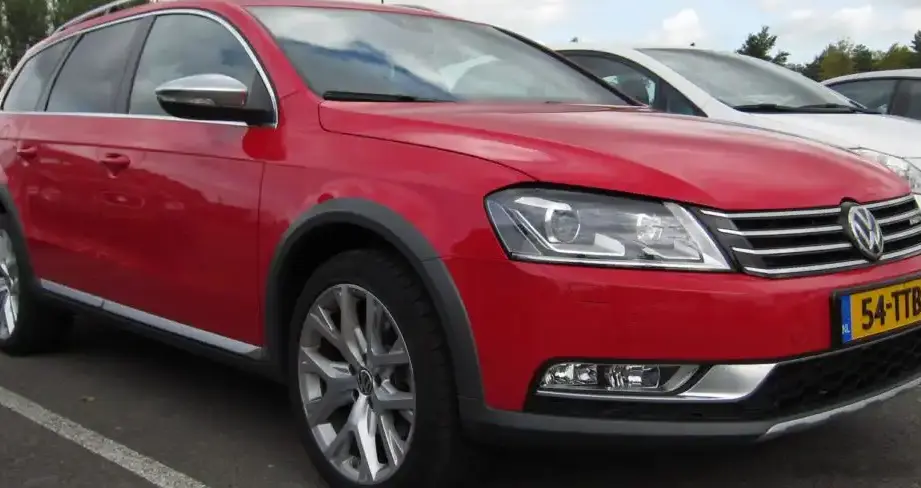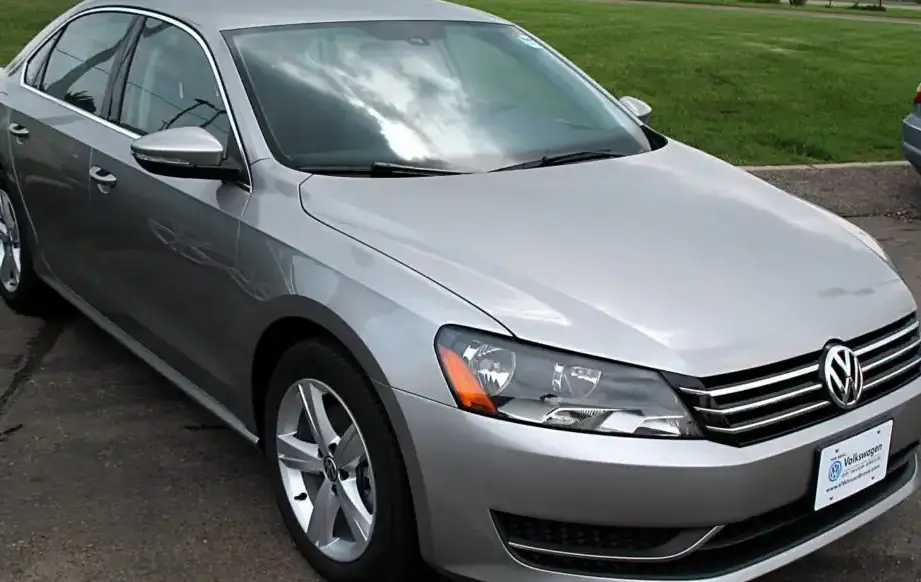
The Volkswagen Passat (North America, A32) 2.0 TDI with the 140 horsepower (Hp) DSG transmission was a key variant of the Passat model sold in North America between 2011 and 2014. Positioned as a mid-range offering, it aimed to balance fuel efficiency with acceptable performance for everyday driving. This generation Passat, built specifically for the North American market, represented a significant shift in Volkswagen’s strategy, offering a larger, more traditionally styled sedan compared to its European counterpart. It was based on the PQ46 platform, also known as the A32 platform, and was designed to appeal to a broader American audience seeking space, comfort, and value.
Technical Specifications
| Brand | Volkswagen |
| Model | Passat |
| Generation | Passat (North America, A32) |
| Type (Engine) | 2.0 TDI (140 Hp) DSG |
| Start of production | 2011 |
| End of production | 2014 |
| Powertrain Architecture | Internal Combustion engine |
| Body type | Sedan |
| Seats | 5 |
| Doors | 4 |
| Fuel consumption (urban) | 7.8 l/100 km (30.2 US mpg) |
| Fuel consumption (extra urban) | 5.9 l/100 km (39.9 US mpg) |
| Fuel Type | Diesel |
| Weight-to-power ratio | 11.2 kg/Hp |
| Weight-to-torque ratio | 4.9 kg/Nm |
| Power | 140 Hp @ 4000 rpm |
| Power per litre | 71.1 Hp/l |
| Torque | 320 Nm @ 1750 rpm (236.02 lb.-ft. @ 1750 rpm) |
| Engine layout | Front, Transverse |
| Engine Model/Code | EA189 / CKRA |
| Engine displacement | 1968 cm3 (120.09 cu. in.) |
| Number of cylinders | 4 |
| Engine configuration | Inline |
| Cylinder Bore | 81 mm (3.19 in.) |
| Piston Stroke | 95.5 mm (3.76 in.) |
| Compression ratio | 16.5:1 |
| Number of valves per cylinder | 4 |
| Fuel injection system | Diesel Commonrail |
| Engine aspiration | Turbocharger, Intercooler |
| Valvetrain | DOHC |
| Engine oil capacity | 4.3 l (4.54 US qt | 3.78 UK qt) |
| Coolant capacity | 10.6 l (11.2 US qt | 9.33 UK qt) |
| Kerb Weight | 1569 kg (3459.05 lbs.) |
| Max. weight | 2110 kg (4651.75 lbs.) |
| Max load | 541 kg (1192.7 lbs.) |
| Trunk (boot) space – minimum | 450 l (15.89 cu. ft.) |
| Fuel tank capacity | 70 l (18.49 US gal | 15.4 UK gal) |
| Permitted trailer load without brakes | 450 kg (992.08 lbs.) |
| Permitted towbar download | 75 kg (165.35 lbs.) |
| Length | 4868 mm (191.65 in.) |
| Width | 1835 mm (72.24 in.) |
| Height | 1487 mm (58.54 in.) |
| Wheelbase | 2803 mm (110.35 in.) |
| Front track | 1577 mm (62.09 in.) |
| Rear track | 1550 mm (61.02 in.) |
| Ride height (ground clearance) | 138 mm (5.43 in.) |
| Drag coefficient (Cd) | 0.29 |
| Minimum turning circle | 11.7 m (38.39 ft.) |
| Drivetrain Architecture | Front wheel drive |
| Number of gears and type of gearbox | 6 gears, automatic transmission DSG |
| Front suspension | Independent, type McPherson with coil spring and anti-roll bar |
| Rear suspension | Independent multi-link spring suspension with stabilizer |
| Front brakes | Ventilated discs, 312×25 mm |
| Rear brakes | Disc, 272×10 mm |
| Tires size | 215/55 R17; 235/45 R18 |
| Wheel rims size | 7J x 17; 8J x 18 |
INTRODUCTION
The 2011-2014 Volkswagen Passat 2.0 TDI with the DSG automatic transmission was a significant model for Volkswagen in the North American market. It represented a departure from the more compact European Passat, being specifically designed to cater to the preferences of American buyers. The A32 platform provided a larger interior and a more comfortable ride. The 2.0 TDI variant, utilizing the EA189 engine family (specifically the CKRA code), offered a compelling combination of fuel economy and adequate performance, making it a popular choice for those seeking a diesel-powered sedan. It sat in the middle of the Passat lineup, offering a step up from the base gasoline engine while remaining more affordable than the higher-trim models.
Powertrain & Engine Architecture
The heart of the Passat 2.0 TDI was the EA189 series 2.0-liter inline-four diesel engine, designated CKRA. This engine featured common rail direct injection, a turbocharger with an intercooler, and a double overhead camshaft (DOHC) valvetrain with four valves per cylinder. The common rail system allowed for precise fuel delivery, optimizing combustion efficiency and reducing emissions. The turbocharger boosted power output, providing 140 horsepower at 4000 rpm and a substantial 320 Nm (236 lb-ft) of torque at a low 1750 rpm. This torque curve provided good responsiveness in everyday driving situations. The engine also incorporated a diesel particulate filter (DPF) to further reduce emissions. Paired with the engine was a six-speed dual-clutch transmission (DSG). The DSG offered quick and smooth gear changes, contributing to both performance and fuel efficiency. The transmission’s programming was tuned for comfort and fuel economy rather than outright sportiness.
Driving Characteristics
The 2.0 TDI DSG Passat offered a comfortable and refined driving experience. The ample low-end torque made it easy to accelerate from a standstill and navigate city traffic. While not a particularly sporty car, the DSG transmission provided responsive shifts, and the engine delivered sufficient power for highway cruising and passing maneuvers. Compared to the base gasoline engine, the TDI offered significantly more torque, resulting in a more relaxed driving experience, especially when fully loaded. Compared to the higher-output TDI variants (often found in Europe), the 140 hp version felt less urgent, but the trade-off was improved fuel economy and potentially lower maintenance costs. The DSG transmission, while generally reliable, could exhibit occasional hesitation at low speeds, a characteristic sometimes noted by owners.
Equipment & Trim Levels
The 2.0 TDI DSG Passat typically came standard with features such as air conditioning, power windows and locks, a basic audio system, and alloy wheels. Higher trim levels added features like leather upholstery, a sunroof, upgraded audio systems, and advanced safety features. Interior upholstery was typically cloth on the base models, with leather options available on higher trims. The dashboard layout was functional and straightforward, prioritizing ease of use. Optional extras included navigation systems, rear parking sensors, and a premium sound system.
Chassis & Braking
The Passat 2.0 TDI utilized an independent McPherson strut suspension in the front and an independent multi-link suspension in the rear. This setup provided a comfortable ride and decent handling characteristics. Front brakes were ventilated discs, while rear brakes were solid discs. Anti-lock braking system (ABS) was standard. The suspension was tuned for comfort, prioritizing ride quality over sporty handling. Stabilizer bars were included both front and rear to reduce body roll during cornering. The steering was electric power-assisted, providing light and easy steering feel.
Market Reception & Comparison
The Passat 2.0 TDI DSG was generally well-received by critics and consumers alike. It was praised for its fuel efficiency, comfortable ride, and spacious interior. However, some reviewers noted that the engine lacked the refinement of some of its European competitors. Compared to the gasoline-powered Passats, the TDI offered significantly better fuel economy, making it an attractive option for those who drove long distances. Compared to other diesel sedans on the market, the Passat TDI offered a competitive combination of price, features, and fuel efficiency. Reliability was generally good, although some owners reported issues with the DPF system and the DSG transmission.
Legacy
The 2011-2014 Volkswagen Passat 2.0 TDI DSG remains a popular choice in the used car market. Its fuel efficiency and relatively low maintenance costs make it an attractive option for budget-conscious buyers. While the EA189 engine family was later implicated in the “Dieselgate” emissions scandal, the Passat TDI models are generally considered to be reliable and durable. However, potential buyers should be aware of the potential for DPF issues and the importance of maintaining the engine properly. The Passat TDI represents a significant chapter in Volkswagen’s history in North America, demonstrating the brand’s commitment to offering fuel-efficient diesel options to American consumers.