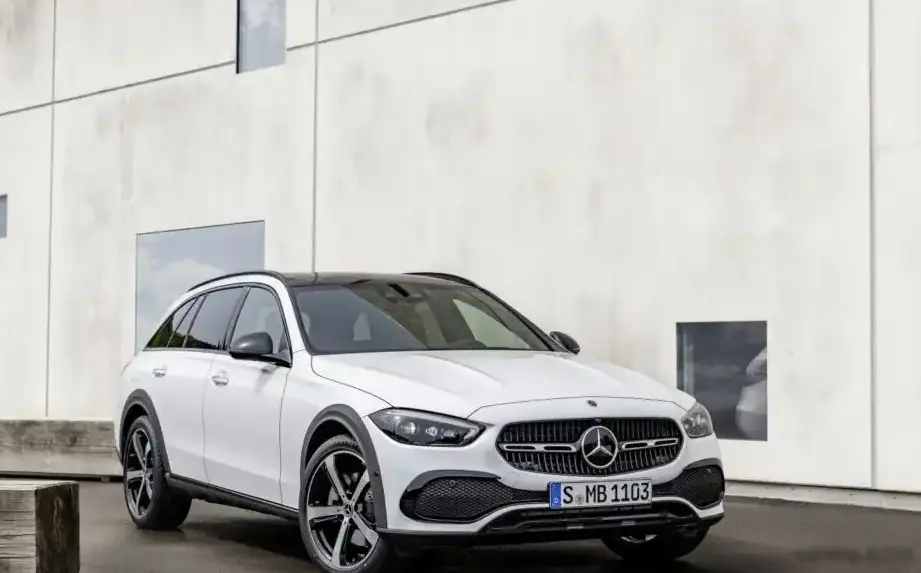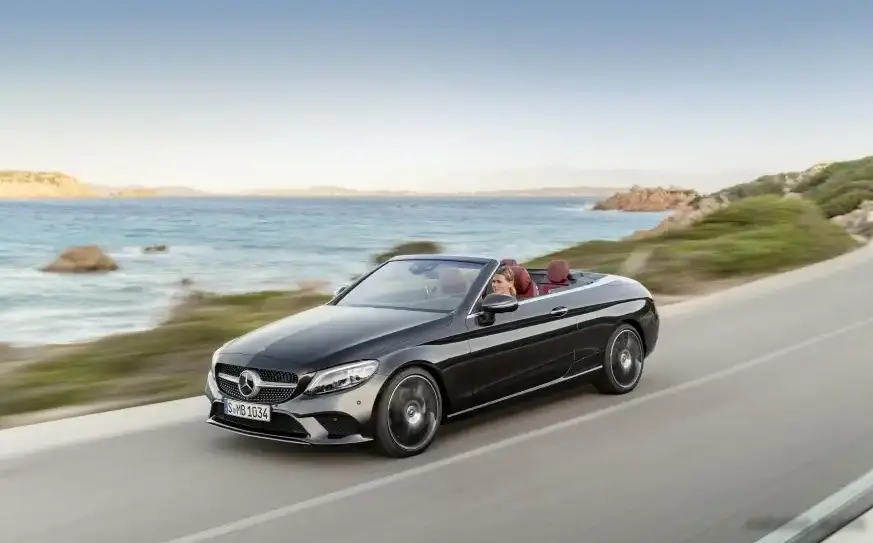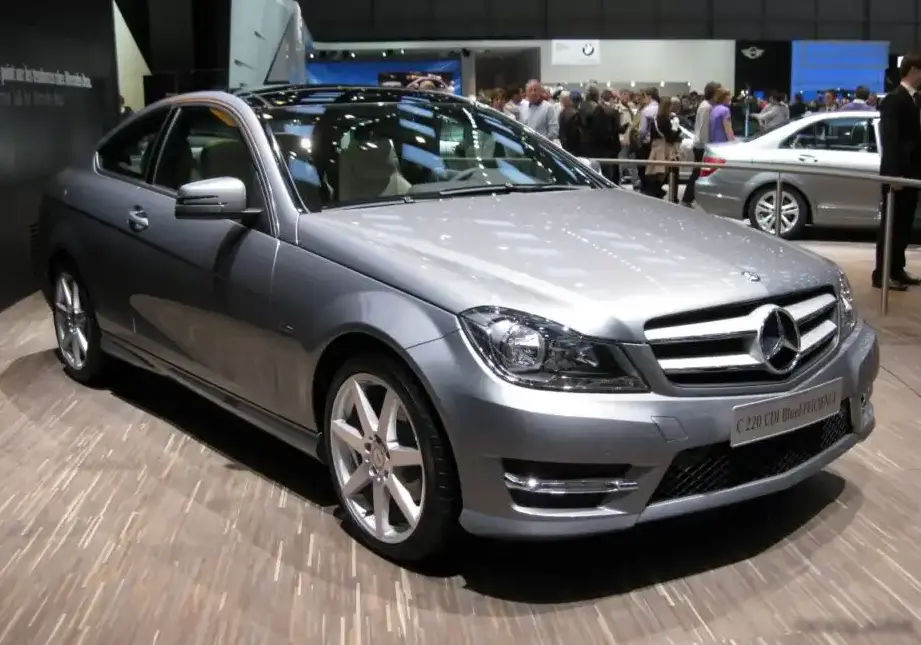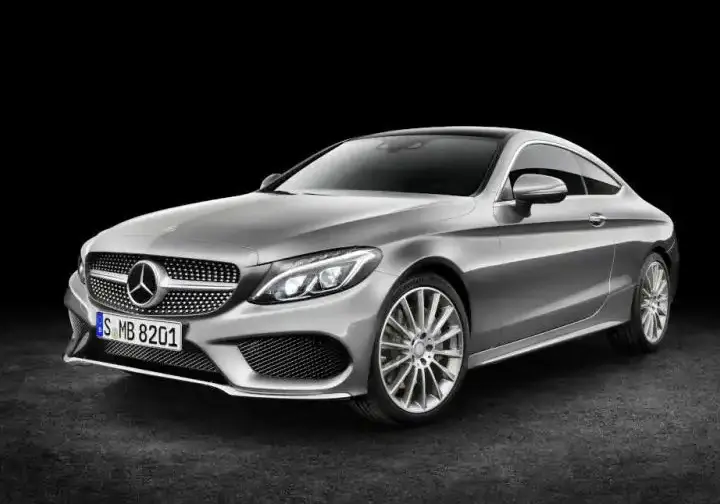
The Mercedes-Benz C-Class T-modell (S202) C 200 D, equipped with an 88 horsepower diesel engine and a 5G-TRONIC automatic transmission, was a short-lived but significant variant within the first generation of the C-Class estate (wagon) range. Produced from June 1996 to June 1997, this model occupied the entry-level position in the T-modell lineup, offering a fuel-efficient and practical option for buyers prioritizing economy over outright performance. It was built on the W202 platform, representing Mercedes-Benz’s attempt to compete in the compact executive car segment, offering a more affordable alternative to the larger E-Class.
Technical Specifications
| Brand | Mercedes-Benz |
| Model | C-Class |
| Generation | C-Class T-modell (S202) |
| Type (Engine) | C 200 D (88 Hp) 5G-TRONIC |
| Start of production | June, 1996 |
| End of production | June, 1997 |
| Powertrain Architecture | Internal Combustion engine |
| Body type | Station wagon (estate) |
| Seats | 5 |
| Doors | 5 |
| Fuel consumption (urban) | 10.6 l/100 km (22.2 US mpg, 26.6 UK mpg, 9.4 km/l) |
| Fuel consumption (extra urban) | 6 l/100 km (39.2 US mpg, 47.1 UK mpg, 16.7 km/l) |
| Fuel consumption (combined) | 7.7 l/100 km (30.5 US mpg, 36.7 UK mpg, 13 km/l) |
| Fuel Type | Diesel |
| Maximum speed | 166 km/h (103.15 mph) |
| Weight-to-power ratio | 16.4 kg/Hp, 61.1 Hp/tonne |
| Weight-to-torque ratio | 10.7 kg/Nm, 93.8 Nm/tonne |
| Power | 88 Hp @ 5000 rpm |
| Power per litre | 44.1 Hp/l |
| Torque | 135 Nm @ 2000-4650 rpm (99.57 lb.-ft. @ 2000-4650 rpm) |
| Engine layout | Front, Longitudinal |
| Engine Model/Code | OM 604 D 20 / 604.915 |
| Engine displacement | 1997 cm3 (121.86 cu. in.) |
| Number of cylinders | 4 |
| Engine configuration | Inline |
| Cylinder Bore | 87 mm (3.43 in.) |
| Piston Stroke | 84 mm (3.31 in.) |
| Compression ratio | 22:1 |
| Number of valves per cylinder | 4 |
| Fuel injection system | Precombustion chamber injection |
| Engine aspiration | Naturally aspirated engine |
| Valvetrain | DOHC |
| Engine oil capacity | 6.5 l (6.87 US qt | 5.72 UK qt) |
| Coolant | 7 l (7.4 US qt | 6.16 UK qt) |
| Kerb Weight | 1440 kg (3174.66 lbs.) |
| Max. weight | 1950 kg (4299.01 lbs.) |
| Max load | 510 kg (1124.36 lbs.) |
| Fuel tank capacity | 62 l (16.38 US gal | 13.64 UK gal) |
| Length | 4487 mm (176.65 in.) |
| Width | 1720 mm (67.72 in.) |
| Height | 1460 mm (57.48 in.) |
| Wheelbase | 2690 mm (105.91 in.) |
| Front track | 1499 mm (59.02 in.) |
| Rear track | 1464 mm (57.64 in.) |
| Drivetrain Architecture | Rear wheel drive |
| Number of gears and type of gearbox | 5 gears, automatic transmission 5G-TRONIC |
| Front suspension | Double wishbone |
| Rear suspension | Independent multi-link spring suspension with stabilizer |
| Front brakes | Disc |
| Rear brakes | Disc |
| Assisting systems | ABS (Anti-lock braking system) |
| Steering type | Cone worm with recirculation balls |
| Power steering | Hydraulic Steering |
| Tires size | Front wheel tires: 195/65 R15 Rear wheel tires: 195/65 R15 |
| Wheel rims size | Front wheel rims: 6.5J x 15 Rear wheel rims: 6.5J x 15 |
Powertrain & Engine Architecture
The C 200 D T-modell utilized the OM 604 D 20 engine, a 2.0-liter inline-four cylinder diesel. This engine was a mainstay of Mercedes-Benz’s mid-size offerings during the 1990s. The ‘D 20’ designation indicated a displacement of approximately 2.0 liters. The engine employed precombustion chamber injection, a system common in diesel engines of the era, which improved combustion efficiency and reduced noise compared to direct injection systems. The 5G-TRONIC automatic transmission, a five-speed unit, was chosen for its smoothness and relative efficiency. This transmission was a significant upgrade from older automatic designs, offering more precise shift points and a more refined driving experience. The engine’s relatively low output of 88 horsepower was a result of its focus on fuel economy and durability rather than outright performance.
Driving Characteristics
The C 200 D Automatic offered a comfortable, albeit unhurried, driving experience. The 5G-TRONIC transmission was programmed for smooth shifts and prioritized fuel efficiency, meaning acceleration was not particularly brisk. The gear ratios were optimized for cruising, making it a suitable vehicle for long distances. Compared to the more powerful C 220 or C 280 models, or even the manual transmission versions of the C 200 D, this variant felt noticeably slower. However, the automatic transmission made it easier to drive in urban environments, eliminating the need for constant gear changes. The rear-wheel drive configuration provided a balanced feel, but the relatively narrow tires (195/65 R15) limited grip in challenging conditions.
Equipment & Trim Levels
The C 200 D T-modell typically came with a fairly basic level of equipment, reflecting its position as the entry-level variant. Standard features included power windows, central locking, and a basic audio system. Interior upholstery was typically cloth, and the dashboard featured a straightforward design. Optional extras included air conditioning, a sunroof, upgraded audio systems, and alloy wheels. The T-modell designation itself added practicality with a spacious cargo area, making it a popular choice for families and those needing to transport larger items.
Chassis & Braking
The S202 C-Class T-modell featured a double wishbone front suspension and an independent multi-link rear suspension, providing a comfortable ride and good handling characteristics. The C 200 D was equipped with disc brakes on all four wheels, along with ABS (Anti-lock Braking System) as standard. The suspension was tuned for comfort, prioritizing ride quality over sporty handling. Stabilizer bars were fitted to both the front and rear axles to reduce body roll during cornering. The relatively lightweight engine contributed to a balanced weight distribution, enhancing handling.
Market Reception & Comparison
The C 200 D Automatic was generally well-received as a practical and economical estate car. Critics praised its fuel efficiency and comfortable ride, but noted its lack of outright performance. Compared to other trims in the C-Class range, such as the C 220 or C 280, the C 200 D offered a more affordable entry point, but at the expense of power and refinement. Its main competitors included the BMW 3 Series Touring and the Audi 80 Avant, both of which offered similar levels of practicality and performance. The C 200 D’s diesel engine provided superior fuel economy compared to the gasoline-powered alternatives.
Legacy
The OM 604 engine family, including the D 20 variant, is known for its durability and longevity. Many examples of the C 200 D T-modell are still on the road today, testament to the engine’s robust construction. However, age-related issues such as corrosion and wear on suspension components are common. The 5G-TRONIC transmission, while reliable, can require maintenance as it ages. In the used car market, the C 200 D T-modell is often sought after by those looking for a classic Mercedes-Benz estate car that is relatively affordable to maintain and offers good fuel economy. It represents a practical and understated option for enthusiasts and everyday drivers alike.