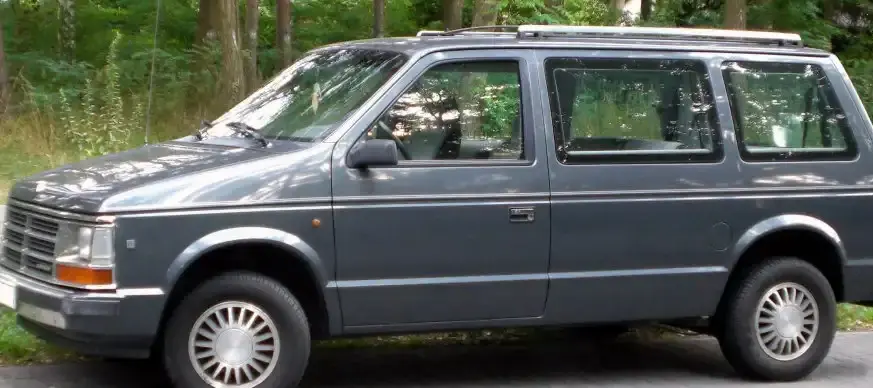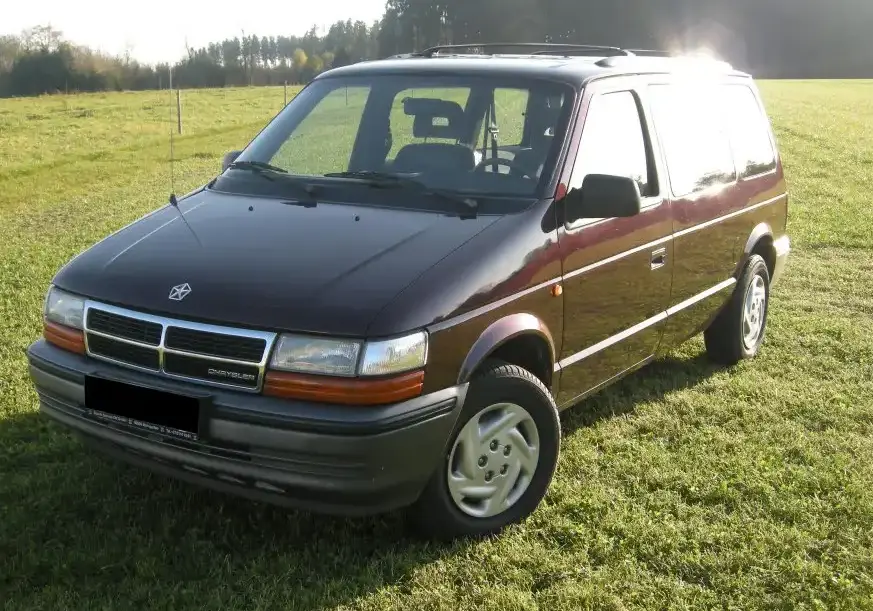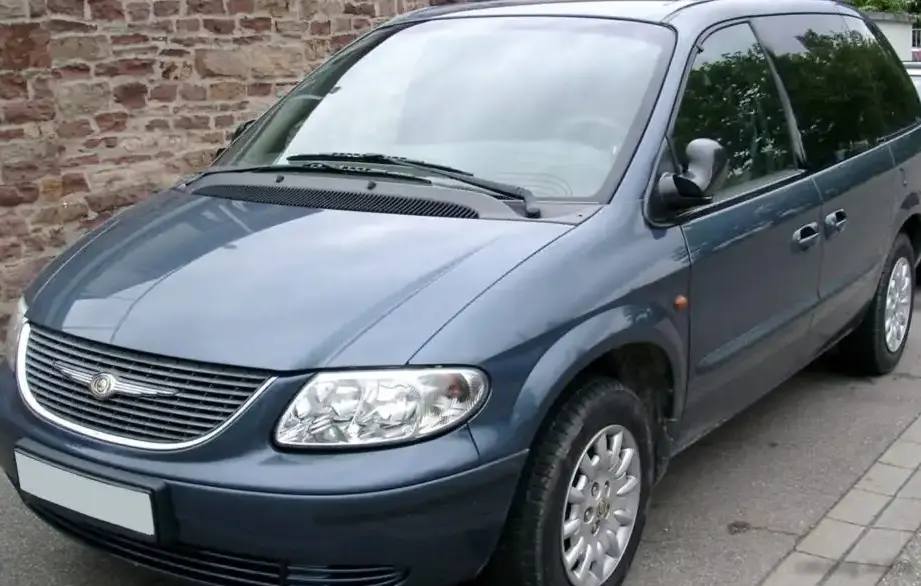
The Chrysler Voyager IV 3.3i V6 AWD Automatic, produced between 2001 and 2007, represented a significant iteration of Chrysler’s popular minivan offering. Positioned as a mid-to-upper trim level within the fourth-generation Voyager (often marketed as the Chrysler Town & Country in North America), this variant combined a robust 3.3-liter V6 engine with an all-wheel-drive system and a four-speed automatic transmission. It aimed to provide families with a spacious, comfortable, and capable vehicle suitable for a variety of driving conditions. The Voyager IV, built on the NS platform, was a key player in the highly competitive North American minivan segment, known for its innovative features and focus on passenger convenience.
Technical Specifications
| Brand | Chrysler |
| Model | Voyager |
| Generation | Voyager IV |
| Type (Engine) | 3.3 i V6 (174 Hp) AWD Automatic |
| Start of production | 2001 year |
| End of production | 2007 year |
| Powertrain Architecture | Internal Combustion engine |
| Body type | Minivan |
| Seats | 7 |
| Doors | 5 |
| Fuel Type | Petrol (Gasoline) |
| Acceleration 0 – 100 km/h | 14.2 sec |
| Acceleration 0 – 62 mph | 14.2 sec |
| Acceleration 0 – 60 mph | 13.5 sec |
| Maximum speed | 180 km/h (111.85 mph) |
| Weight-to-power ratio | 10.3 kg/Hp, 96.7 Hp/tonne |
| Weight-to-torque ratio | 6.5 kg/Nm, 154.4 Nm/tonne |
| Power | 174 Hp @ 5100 rpm |
| Power per litre | 52.7 Hp/l |
| Torque | 278 Nm @ 4000 rpm (205.04 lb.-ft. @ 4000 rpm) |
| Engine layout | Front, Transverse |
| Engine Model/Code | EGA |
| Engine displacement | 3301 cm3 (201.44 cu. in.) |
| Number of cylinders | 6 |
| Engine configuration | V-engine |
| Cylinder Bore | 93 mm (3.66 in.) |
| Piston Stroke | 81 mm (3.19 in.) |
| Compression ratio | 9.4:1 |
| Number of valves per cylinder | 2 |
| Fuel injection system | Multi-port manifold injection |
| Engine aspiration | Naturally aspirated engine |
| Valvetrain | OHC |
| Engine oil capacity | 4.7 l (4.97 US qt | 4.14 UK qt) |
| Coolant | 12.6 l (13.31 US qt | 11.09 UK qt) |
| Kerb Weight | 1800 kg (3968.32 lbs) |
| Trunk (boot) space – minimum | 445 l (15.72 cu. ft.) |
| Trunk (boot) space – maximum | 4080 l (144.08 cu. ft.) |
| Fuel tank capacity | 75 l (19.81 US gal | 16.5 UK gal) |
| Length | 4805 mm (189.17 in.) |
| Width | 1995 mm (78.54 in.) |
| Height | 1750 mm (68.9 in.) |
| Wheelbase | 2880 mm (113.39 in.) |
| Front track | 1600 mm (62.99 in.) |
| Rear (Back) track | 1625 mm (63.98 in.) |
| Drive wheel | All wheel drive (4×4) |
| Number of gears and type of gearbox | 4 gears, automatic transmission |
| Front suspension | Spring Strut |
| Rear suspension | Leaf spring |
| Front brakes | Ventilated discs |
| Rear brakes | Drum |
| Assisting systems | ABS (Anti-lock braking system) |
| Steering type | Steering rack and pinion |
| Power steering | Hydraulic Steering |
| Tires size | 215/65 R16 |
Powertrain & Engine Architecture
The heart of the Voyager IV 3.3i AWD was the EGA engine, a 3.3-liter (3301 cc) naturally aspirated V6. This engine utilized a 90-degree V-configuration, contributing to a smoother power delivery. It featured a cast iron block with aluminum cylinder heads, and a two-valve-per-cylinder (OHC) valvetrain. Fuel delivery was managed by a multi-port fuel injection system, providing precise fuel metering for optimal combustion. The engine produced 174 horsepower at 5100 rpm and 278 Nm (205 lb-ft) of torque at 4000 rpm. The four-speed automatic transmission (typically the 42RE) was chosen for its balance of cost-effectiveness and suitability for the minivan’s intended use. While not offering the most advanced gear ratios, it provided adequate performance for everyday driving and towing. The all-wheel-drive system was typically an on-demand system, engaging the rear wheels when slippage was detected at the front, enhancing traction in inclement weather.
Driving Characteristics
The 3.3L V6 and four-speed automatic combination in the Voyager IV delivered a comfortable, if not particularly sporty, driving experience. Acceleration from 0-60 mph took around 13.5 seconds, and top speed was limited to 111.85 mph. The automatic transmission, while smooth, lacked the responsiveness of more modern transmissions or manual options. The AWD system provided enhanced stability and traction, particularly on slippery surfaces, making it a popular choice in regions with harsh winters. Compared to the higher-output 3.8L V6 versions, the 3.3L offered less overall performance but prioritized fuel economy and a more relaxed driving style. The gear ratios were tuned for everyday usability rather than outright speed, resulting in a focus on smooth cruising and adequate passing power.
Equipment & Trim Levels
The 3.3i AWD Voyager IV typically came well-equipped, reflecting its mid-to-upper trim level positioning. Standard features often included air conditioning, power windows and locks, a CD player, and cloth upholstery. Higher-spec models could be equipped with leather seats, a sunroof, upgraded audio systems, and rear-seat entertainment systems. Safety features such as ABS were standard. The Voyager IV offered a range of optional packages, allowing buyers to customize their vehicle to their specific needs and preferences. Interior trim levels varied, with higher trims featuring more refined materials and additional comfort features.
Chassis & Braking
The Voyager IV utilized a body-on-frame construction, providing a robust and durable platform. The front suspension employed a spring strut design, while the rear suspension utilized a leaf spring setup. This configuration prioritized ride comfort and load-carrying capacity. Braking duties were handled by ventilated discs at the front and drum brakes at the rear. The ABS system helped to maintain steering control during hard braking. The chassis was designed to accommodate the weight of the vehicle and its passengers, providing a stable and predictable driving experience. Stabilizer bars were included to reduce body roll during cornering.
Market Reception & Comparison
The Chrysler Voyager IV 3.3i AWD Automatic was generally well-received by critics and consumers alike. It was praised for its spacious interior, comfortable ride, and available all-wheel-drive system. However, some reviewers noted the engine’s lack of outright power compared to competitors and the somewhat dated four-speed automatic transmission. Fuel economy was considered average for the segment. Compared to the 3.8L V6 models, the 3.3L offered a more affordable entry point and slightly better fuel efficiency, appealing to budget-conscious families. Reliability was generally good, although some owners reported issues with the automatic transmission over the long term.
Legacy
The Chrysler Voyager IV 3.3i AWD Automatic remains a popular choice in the used car market, particularly for families seeking a spacious and reliable minivan. The 3.3L V6 engine, while not known for its exceptional performance, has proven to be relatively durable and easy to maintain. The all-wheel-drive system continues to be a valuable feature for those living in areas with inclement weather. While newer minivans offer more advanced technology and features, the Voyager IV represents a solid and dependable option for those seeking a practical and affordable family vehicle. Parts availability remains good, and the vehicle’s relatively simple design makes it accessible to many mechanics.