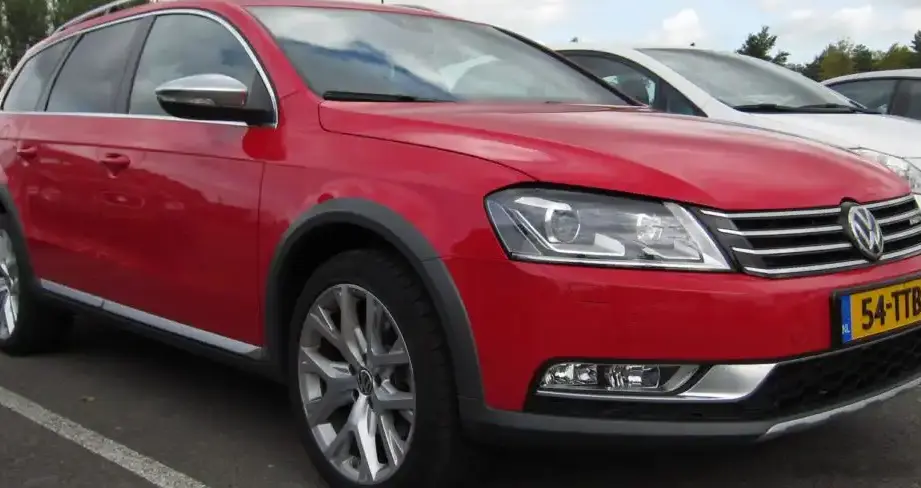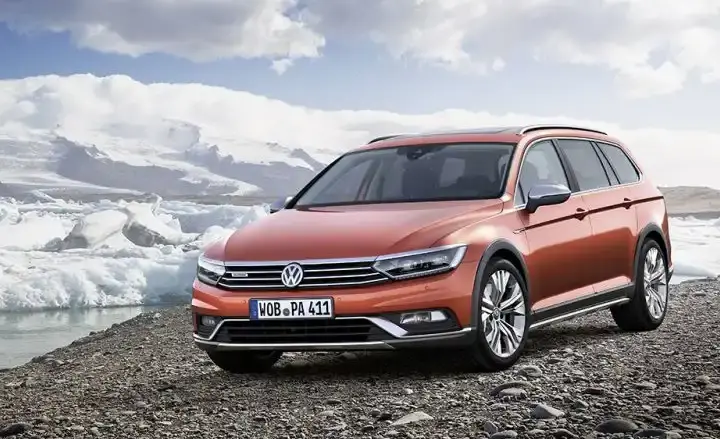
The Volkswagen Passat (North America, A34) 2.0 TSI with the Tiptronic automatic transmission represents a mid-cycle offering within the eighth generation (B8) of the Passat designed specifically for the North American market. Produced for the 2019 and 2020 model years, this variant aimed to provide a balance of performance and convenience for buyers seeking a comfortable and technologically equipped mid-size sedan. It sat in the middle of the Passat lineup, offering more power than the base 2.0 TSI engine but positioned below any potential performance-oriented trims. This generation Passat was a significant departure from its European counterpart, tailored to the preferences of American consumers with a larger size and more conventional styling.
Technical Specifications
| Brand | Volkswagen |
| Model | Passat |
| Generation | Passat (North America, A34) |
| Type (Engine) | 2.0 TSI (174 Hp) Tiptronic |
| Start of production | 2019 |
| End of production | 2020 |
| Powertrain Architecture | Internal Combustion engine |
| Body type | Sedan |
| Seats | 5 |
| Doors | 4 |
| Fuel consumption (economy) – urban | 10.2 l/100 km (23.1 US mpg, 27.7 UK mpg, 9.8 km/l) |
| Fuel consumption (economy) – extra urban | 6.9 l/100 km (34.1 US mpg, 40.9 UK mpg, 14.5 km/l) |
| Fuel consumption (economy) – combined | 8.7 l/100 km (27 US mpg, 32.5 UK mpg, 11.5 km/l) |
| Fuel Type | Petrol (Gasoline) |
| Weight-to-power ratio | 8.7 kg/Hp, 115.4 Hp/tonne |
| Weight-to-torque ratio | 5.4 kg/Nm, 185.7 Nm/tonne |
| Power | 174 Hp @ 5200 rpm |
| Power per litre | 87.7 Hp/l |
| Torque | 280 Nm @ 1700 rpm (206.52 lb.-ft. @ 1700 rpm) |
| Engine layout | Front, Transverse |
| Engine Model/Code | EA888 / DDSA, DDSB |
| Engine displacement | 1984 cm3 (121.07 cu. in.) |
| Number of cylinders | 4 |
| Engine configuration | Inline |
| Cylinder Bore | 82.5 mm (3.25 in.) |
| Piston Stroke | 92.8 mm (3.65 in.) |
| Compression ratio | 11.65:1 |
| Number of valves per cylinder | 4 |
| Fuel injection system | Direct injection |
| Engine aspiration | Turbocharger, Intercooler |
| Valvetrain | DOHC |
| Engine oil capacity | 5.7 l (6.02 US qt | 5.02 UK qt) |
| Coolant | 10 l (10.57 US qt | 8.8 UK qt) |
| Kerb Weight | 1508 kg (3324.57 lbs.) |
| Max. weight | 2030 kg (4475.38 lbs.) |
| Max load | 522 kg (1150.81 lbs.) |
| Trunk (boot) space – minimum | 450 l (15.89 cu. ft.) |
| Fuel tank capacity | 70 l (18.49 US gal | 15.4 UK gal) |
| Length | 4918 mm (193.62 in.) |
| Width | 1835 mm (72.24 in.) |
| Height | 1472 mm (57.95 in.) |
| Wheelbase | 2803 mm (110.35 in.) |
| Front track | 1577 mm (62.09 in.) |
| Rear (Back) track | 1550 mm (61.02 in.) |
| Ride height (ground clearance) | 138 mm (5.43 in.) |
| Drag coefficient (Cd) | 0.29 |
| Minimum turning circle (turning diameter) | 11.9 m (39.04 ft.) |
| Drivetrain Architecture | The Internal combustion engine (ICE) drives the front wheels of the vehicle. |
| Drive wheel | Front wheel drive |
| Number of gears and type of gearbox | 6 gears, automatic transmission Tiptronic |
| Front suspension | Independent, type McPherson with coil spring and anti-roll bar |
| Rear suspension | Independent multi-link spring suspension with stabilizer |
| Front brakes | Ventilated discs, 312×25 mm |
| Rear brakes | Disc, 272×10 mm |
| Assisting systems | ABS (Anti-lock braking system) |
| Steering type | Steering rack and pinion |
| Power steering | Electric Steering |
| Tires size | 215/55 R17; 235/45 R18; 235/40 R19 |
| Wheel rims size | 7J x 17; 8J x 18; 8J x 19 |
Powertrain & Engine Architecture
At the heart of the Passat 2.0 TSI Tiptronic lies the EA888 engine, specifically the DDSA or DDSB variant depending on the exact production date. This is a 1.984-liter (121.07 cubic inches) turbocharged and direct-injected inline-four cylinder engine. The direct injection system, coupled with the turbocharger and intercooler, allows for a good balance of power and efficiency. The engine produces 174 horsepower at 5200 rpm and 280 Nm (206.52 lb-ft) of torque from as low as 1700 rpm. This torque curve provides good responsiveness in everyday driving situations. The engine utilizes a dual overhead camshaft (DOHC) valvetrain with four valves per cylinder, optimizing airflow for improved performance. The Tiptronic transmission is a six-speed automatic with a manual shift mode, offering drivers more control over gear selection when desired.
Driving Characteristics
The 2.0 TSI Tiptronic Passat delivers a comfortable and refined driving experience. The automatic transmission provides smooth gear changes, and the readily available torque from the turbocharged engine makes for effortless acceleration. While not a sports sedan, the 174 hp output is sufficient for confident highway merging and passing maneuvers. Compared to the base 2.0 TSI engine without the turbocharger, this variant offers a noticeable improvement in performance. However, it doesn’t match the responsiveness of a manual transmission or the higher output of potential European-market engine options. The Tiptronic transmission, while convenient, can sometimes feel slightly less engaging than a traditional automatic or a dual-clutch transmission. The gear ratios are tuned for fuel efficiency and comfortable cruising rather than outright performance.
Equipment & Trim Levels
The 2.0 TSI Tiptronic trim typically included a generous array of standard features. These commonly included automatic climate control, a touchscreen infotainment system with Apple CarPlay and Android Auto compatibility, keyless access and start, and a suite of driver-assistance technologies such as blind-spot monitoring and rear cross-traffic alert. Interior upholstery was typically cloth or leatherette, with higher trims offering genuine leather options. Optional extras could include a premium sound system, a panoramic sunroof, and adaptive cruise control. The dashboard layout was generally clean and modern, with a focus on user-friendliness.
Chassis & Braking
The North American Passat utilized an independent suspension setup at all four corners. The front suspension employed a McPherson strut design with coil springs and an anti-roll bar, while the rear suspension featured a multi-link setup with a stabilizer bar. This configuration provided a comfortable ride quality while maintaining reasonable handling characteristics. Braking duties were handled by ventilated discs at the front and solid discs at the rear. The inclusion of ABS (Anti-lock Braking System) was standard, enhancing safety during emergency braking situations. Steering was provided by an electric power steering system, offering a light and responsive feel.
Market Reception & Comparison
The Passat 2.0 TSI Tiptronic was generally well-received by automotive critics as a practical and comfortable mid-size sedan. It was praised for its spacious interior, smooth ride, and user-friendly technology. However, some reviewers noted that its driving dynamics were not as engaging as some of its competitors, such as the Honda Accord or Mazda 6. Fuel economy was considered average for its class. Compared to other Passat trims, the 2.0 TSI Tiptronic offered a good balance of performance and price, making it a popular choice for buyers who prioritized comfort and convenience over outright sportiness. Reliability reports generally indicated good long-term dependability, although routine maintenance was essential to ensure optimal performance.
Legacy
The Volkswagen Passat 2.0 TSI Tiptronic (2019-2020) represents a specific iteration of a popular mid-size sedan tailored for the North American market. While it wasn’t a groundbreaking vehicle in terms of innovation, it provided a solid and reliable transportation option for many buyers. On the used car market, these models are generally considered to be a good value, offering a comfortable and well-equipped driving experience at a reasonable price. The EA888 engine is known for its durability, and with proper maintenance, these Passats can provide many years of reliable service. The Tiptronic transmission, while not the most exciting, is generally dependable. As with any used vehicle, a thorough inspection is recommended before purchase to ensure its condition and identify any potential issues.