
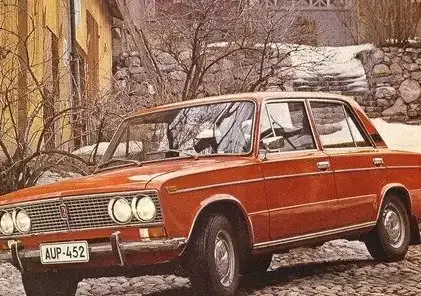
The Lada 21035 1.2, producing 64 horsepower, represents a significant iteration within the classic Lada 2103 series. Produced from 1972 to 1983, the 2103 was a mainstay of the Soviet automotive industry and a key export for Lada, particularly within Eastern Europe and developing markets. The “21035” designation indicates a later refinement of the original 2103, featuring minor cosmetic and mechanical updates. This 1.2-liter variant served as the entry-level model, offering affordable transportation and relative simplicity in a market where advanced automotive technology was less common. It was positioned below the more powerful 1.5 and 1.6-liter versions, targeting buyers prioritizing economy and basic reliability.
Technical Specifications
| Brand | Lada |
| Model | 2103 |
| Generation | 21035 |
| Type (Engine) | 1.2 (64 Hp) |
| Start of production | 1972 |
| End of production | 1983 |
| Powertrain Architecture | Internal Combustion engine |
| Body type | Sedan |
| Seats | 5 |
| Doors | 4 |
| Fuel consumption (urban) | 10 l/100 km (23.5 US mpg, 28.2 UK mpg, 10 km/l) |
| Fuel consumption (extra urban) | 7.5 l/100 km (31.4 US mpg, 37.7 UK mpg, 13.3 km/l) |
| Fuel consumption (combined) | 9 l/100 km (26.1 US mpg, 31.4 UK mpg, 11.1 km/l) |
| Fuel Type | Petrol (Gasoline) |
| Acceleration 0 – 100 km/h | 23 sec |
| Acceleration 0 – 62 mph | 23 sec |
| Acceleration 0 – 60 mph | 21.9 sec |
| Maximum speed | 140 km/h (86.99 mph) |
| Weight-to-power ratio | 15.1 kg/Hp, 66.3 Hp/tonne |
| Weight-to-torque ratio | 10.8 kg/Nm, 92.2 Nm/tonne |
| Power | 64 Hp @ 5600 rpm |
| Power per litre | 53.4 Hp/l |
| Torque | 89 Nm @ 3400 rpm (65.64 lb.-ft. @ 3400 rpm) |
| Engine layout | Front, Longitudinal |
| Engine displacement | 1198 cm3 (73.11 cu. in.) |
| Number of cylinders | 4 |
| Engine configuration | Inline |
| Cylinder Bore | 76 mm (2.99 in.) |
| Piston Stroke | 66 mm (2.6 in.) |
| Compression ratio | 8.5:1 |
| Number of valves per cylinder | 2 |
| Fuel injection system | Carburettor |
| Engine aspiration | Naturally aspirated engine |
| Valvetrain | OHC |
| Kerb Weight | 965 kg (2127.46 lbs.) |
| Max. weight | 1430 kg (3152.61 lbs.) |
| Max load | 465 kg (1025.15 lbs.) |
| Trunk (boot) space – maximum | 400 l (14.13 cu. ft.) |
| Fuel tank capacity | 39 l (10.3 US gal | 8.58 UK gal) |
| Length | 4116 mm (162.05 in.) |
| Width | 1611 mm (63.43 in.) |
| Height | 1440 mm (56.69 in.) |
| Wheelbase | 2424 mm (95.43 in.) |
| Front track | 1365 mm (53.74 in.) |
| Rear (Back) track | 1321 mm (52.01 in.) |
| Drivetrain Architecture | The Internal combustion engine (ICE) drives the rear wheels of the vehicle. |
| Drive wheel | Rear wheel drive |
| Number of gears and type of gearbox | 4 gears, manual transmission |
| Front suspension | Double wishbone |
| Rear suspension | Coil spring |
| Front brakes | Drum |
| Rear brakes | Drum |
| Steering type | Worm-reduction unit |
| Tires size | 175/70 SR13 |
INTRODUCTION
The Lada 21035 1.2 represents the base model within the 2103 series, a car heavily based on the Fiat 124. Introduced as a modernization of the earlier 2101 and 2103 models, the 2103 aimed to offer a more refined and contemporary vehicle for the Soviet consumer. The 1.2-liter engine was the smallest offered in the range, prioritizing fuel efficiency and affordability over outright performance. This variant was particularly popular in regions where gasoline was expensive or in short supply, and where drivers favored a simpler, more easily maintained vehicle. Production spanned from 1972 to 1983, with the “21035” designation denoting later-year refinements.
Powertrain & Engine Architecture
The heart of the 21035 1.2 is a 1198cc inline-four cylinder engine. Designated internally with various codes depending on the production year, this engine is a naturally aspirated, overhead camshaft (OHC) design. It utilizes a carburetor for fuel delivery, a common feature for vehicles of this era and market segment. The engine produces 64 horsepower at 5600 rpm and 89 Nm (65.64 lb-ft) of torque at 3400 rpm. The engine’s relatively low compression ratio of 8.5:1 was a compromise to allow the use of lower-octane fuel, readily available in many of its target markets. The engine is longitudinally mounted in the front of the vehicle, driving the rear wheels. The 21035 1.2 was exclusively offered with a four-speed manual transmission, chosen for its simplicity and cost-effectiveness. This transmission featured synchromesh on the upper three gears, making shifting smoother, but still required a degree of skill from the driver.
Driving Characteristics
The 21035 1.2’s driving experience is best described as utilitarian. With only 64 horsepower propelling a vehicle weighing around 965 kg (2127 lbs), acceleration is leisurely. A 0-60 mph time of approximately 21.9 seconds and a top speed of 86.99 mph reflect this. The four-speed manual transmission has relatively widely spaced gear ratios, requiring frequent shifting to maintain optimal engine speed. Compared to the 1.5 and 1.6-liter versions, the 1.2 feels noticeably underpowered, particularly when carrying passengers or cargo. However, the lower engine displacement also contributes to better fuel economy, making it a practical choice for daily commuting. The rear-wheel-drive layout provides a predictable handling balance, but the suspension, while robust, is not particularly sophisticated, resulting in a somewhat firm ride.
Equipment & Trim Levels
The 21035 1.2 was typically equipped with basic amenities. Standard features included cloth upholstery, a simple dashboard layout with analog gauges, and manually operated windows and door locks. Heating was standard, but air conditioning was not typically offered, even as an option. The exterior trim was minimal, with basic chrome bumpers and steel wheels. Optional extras were limited, but could include a radio, upgraded seat covers, and occasionally, a sunroof. The interior materials were durable but not luxurious, reflecting the car’s focus on affordability and practicality. The 21035 trim level itself represented a slight upgrade over the base 2103, with minor cosmetic enhancements such as improved interior trim and exterior detailing.
Chassis & Braking
The 21035 1.2 utilizes a body-on-frame construction, a common practice for vehicles of its era. The front suspension consists of a double wishbone setup, while the rear suspension employs a coil spring arrangement. This suspension configuration provides a reasonable level of ride comfort and handling, although it is not as refined as more modern independent suspension systems. Braking is provided by drum brakes on all four wheels, which were adequate for the car’s performance but lacked the stopping power of disc brakes. The steering system is a worm-reduction unit, which provides a relatively heavy but direct steering feel. The tires are typically 175/70 SR13, offering a balance of grip and ride comfort.
Market Reception & Comparison
The Lada 21035 1.2 was generally well-received in its target markets as an affordable and reliable means of transportation. Critics acknowledged its simplicity and durability, but also noted its lack of performance and refinement compared to Western European and Japanese competitors. Compared to the higher-displacement 1.5 and 1.6-liter Lada 2103 models, the 1.2 offered significantly lower performance but better fuel economy. The 1.5 and 1.6-liter versions were favored by drivers who prioritized power and driving enjoyment, while the 1.2 appealed to those seeking a more economical and practical vehicle. In terms of reliability, the 1.2-liter engine proved to be quite robust, although its carburetor required periodic maintenance.
Legacy
The Lada 21035 1.2, and the 2103 series as a whole, holds a significant place in automotive history as a symbol of Soviet engineering and a testament to the enduring appeal of simple, reliable transportation. Today, the 21035 1.2 is a popular choice among classic car enthusiasts, particularly those interested in Eastern European automotive history. While parts availability can be a challenge, the car’s relatively simple mechanical design makes it relatively easy to maintain and repair. The 1.2-liter engine, while not particularly powerful, is known for its durability and longevity. The 21035 1.2 remains a relatively affordable classic car, offering a unique and nostalgic driving experience.
