Technical Specifications
| Brand | Volkswagen |
| Model | Passat |
| Generation | Passat Variant (B1) |
| Type (Engine) | 1.5 (75 Hp) |
| Start of production | 1974 |
| End of production | 1980 |
| Powertrain Architecture | Internal Combustion engine |
| Body type | Station wagon (estate) |
| Fuel Type | Petrol (Gasoline) |
| Power | 75 Hp |
| Engine Model/Code | ZB |
| Engine aspiration | Naturally aspirated engine |
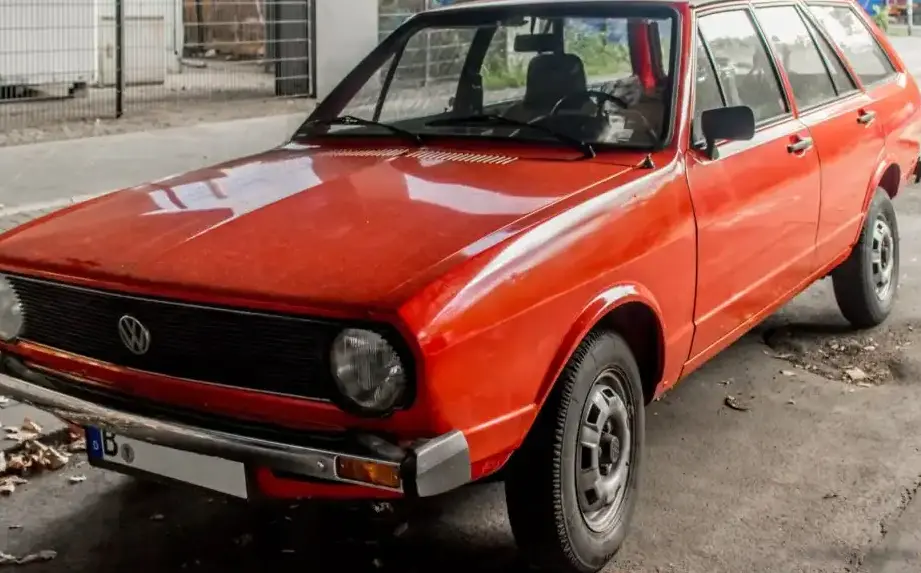
The Volkswagen Passat Variant (B1) 1.5, produced between 1974 and 1980, represents Volkswagen’s initial foray into offering a practical, family-oriented station wagon based on the popular Passat platform. This variant, powered by a 75 horsepower 1.5-liter engine, occupied the entry-level position within the B1 Passat range, appealing to buyers prioritizing affordability and fuel economy over outright performance. It was a key component of Volkswagen’s strategy to broaden the Passat’s appeal beyond the traditional sedan market, particularly in Europe where estate cars held significant popularity. The B1 Passat, and consequently the Variant, was a significant departure from the earlier Type 3 models, offering more modern styling and a more refined driving experience.
Powertrain & Engine Architecture
The Passat Variant 1.5 utilized the Volkswagen ZB engine, a 1,493 cc inline-four cylinder gasoline engine. This engine was a relatively simple design, featuring a single overhead camshaft (SOHC) operating two valves per cylinder. Fuel delivery was managed by a Solex carburetor, a common setup for the time, prioritizing simplicity and cost-effectiveness. The ZB engine produced 75 horsepower at 5,800 rpm and 98 lb-ft of torque at 3,300 rpm. While not a powerhouse, it provided adequate performance for everyday driving. The engine’s block was cast iron, contributing to its durability, while the cylinder head was aluminum. The transmission paired with the 1.5-liter engine was typically a four-speed manual, but a three-speed automatic transmission was also available, though less common. The automatic transmission, while offering convenience, did noticeably impact acceleration and fuel economy. It was a traditional hydraulic automatic, lacking the sophistication of electronically controlled transmissions that would become commonplace later.
Driving Characteristics
The 1.5-liter Passat Variant offered a comfortable, if unhurried, driving experience. With 75 horsepower propelling a relatively substantial vehicle, acceleration was modest. Zero to sixty mph times were typically in the 14-16 second range. The four-speed manual transmission allowed drivers to make the most of the available power, while the three-speed automatic resulted in a more relaxed, but less responsive, driving style. The gear ratios in the automatic were spaced to prioritize fuel efficiency over performance. The automatic’s shift points were relatively high, aiming to keep the engine in its most economical operating range. Handling was typical for a vehicle of its era – body roll was present in corners, and the steering wasn’t particularly sharp. However, the Variant’s long wheelbase and well-tuned suspension provided a comfortable ride, even on less-than-perfect road surfaces. Compared to the later, more powerful 1.6-liter and 1.5-liter fuel-injected versions, the 1.5 carburetor engine felt noticeably less refined and offered less power, particularly at higher speeds. The fuel-injected versions offered improved throttle response and overall drivability.
Equipment & Trim Levels
The Passat Variant 1.5 occupied the base trim level within the B1 range. Standard equipment typically included cloth upholstery, basic instrumentation (speedometer, fuel gauge, temperature gauge), and manually operated windows and door locks. The interior was functional and durable, prioritizing practicality over luxury. Optional extras included a sunroof, upgraded stereo systems, and more comfortable seating. The dashboard layout was straightforward, with clearly labeled controls. The exterior featured relatively simple styling, with chrome trim accents and steel wheels. Higher trim levels, such as the GL, offered more luxurious appointments, including upgraded upholstery, additional chrome trim, and more sophisticated instrumentation. The GL trim also often included features like a woodgrain dashboard trim and more advanced audio options. The base model was intentionally spartan, appealing to budget-conscious buyers.
Chassis & Braking
The Passat Variant B1 utilized a MacPherson strut front suspension and a semi-trailing arm rear suspension. This setup provided a good balance of ride comfort and handling. The front suspension incorporated coil springs and a stabilizer bar, while the rear suspension used leaf springs. Braking was initially accomplished with drum brakes on all four wheels, though front disc brakes became increasingly common as production progressed. The braking system was adequate for the vehicle’s weight and performance, but lacked the stopping power of more modern systems. Steering was a recirculating ball system, providing a relatively heavy feel. The chassis was a monocoque construction, providing a good level of structural rigidity. Later models saw improvements to the braking system, with larger diameter drums and the introduction of front disc brakes improving stopping performance.
Market Reception & Comparison
The Passat Variant 1.5 was generally well-received by automotive critics as a practical and affordable family vehicle. It was praised for its spacious interior, comfortable ride, and fuel efficiency. However, the 1.5-liter engine was often criticized for its lack of power, particularly when paired with the automatic transmission. Compared to the 1.6-liter versions, the 1.5 offered lower performance but also lower running costs. The 1.5 was also significantly cheaper to purchase than the later fuel-injected models. In terms of fuel economy, the 1.5-liter engine typically achieved around 25-30 mpg, making it a relatively economical choice for the time. Reliability was generally good, although the carburetor required periodic adjustment and maintenance. The carburetor’s sensitivity to temperature and altitude could sometimes lead to starting or running issues.
Legacy
The Passat Variant (B1) 1.5, while not the most powerful or technologically advanced version of the B1 Passat, played a crucial role in establishing the Passat as a popular and versatile family car. The ZB engine, while simple, proved to be reasonably durable and reliable. Today, these vehicles are increasingly sought after by classic car enthusiasts, particularly well-maintained examples. Parts availability can be a challenge, but a dedicated community of owners and suppliers exists to support the preservation of these vehicles. The 1.5-liter engine, while requiring more frequent maintenance than later fuel-injected engines, remains relatively straightforward to repair. The Passat Variant B1 1.5 represents a significant milestone in Volkswagen’s history, marking the company’s successful transition to a more modern and refined family car. Its enduring appeal lies in its simplicity, practicality, and the nostalgic charm of a classic Volkswagen.