
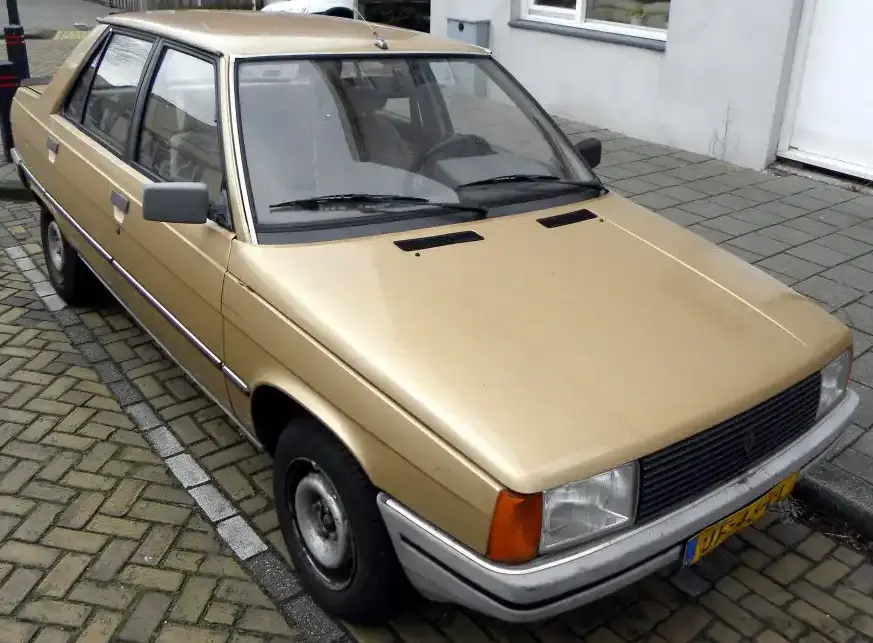
The Renault 9 (L42) 1.7 (L42N), producing 88 horsepower, was a key variant in the first generation of the Renault 9, manufactured between 1986 and 1988. Positioned as a mid-range offering within the 9 lineup, it aimed to provide a balance between affordability, practicality, and reasonable performance for the European market. The Renault 9, built on the D platform shared with the Renault 11, represented a significant step forward for Renault in terms of design and engineering, offering a more modern and spacious interior compared to its predecessors. This particular 1.7-liter engine and transmission combination was intended to appeal to buyers seeking a comfortable and economical family sedan.
Technical Specifications
| Brand | Renault |
| Model | 9 |
| Generation | 9 (L42) |
| Type (Engine) | 1.7 (L42N) (88 Hp) |
| Start of production | 1986 |
| End of production | 1988 |
| Powertrain Architecture | Internal Combustion engine |
| Body type | Sedan |
| Seats | 5 |
| Doors | 4 |
| Fuel Type | Petrol (Gasoline) |
| Power | 88 Hp |
| Engine Model/Code | F2N 708, F2N 710, F2N 798 |
| Engine aspiration | Naturally aspirated engine |
| Engine oil capacity | 5.5 l (5.81 US qt | 4.84 UK qt) |
| Coolant capacity | 6.7 l (7.08 US qt | 5.9 UK qt) |
| Fuel tank capacity | 47 l (12.42 US gal | 10.34 UK gal) |
Powertrain & Engine Architecture
The heart of the Renault 9 1.7 (L42N) is the F2N engine series, specifically the F2N 708, F2N 710, or F2N 798 variants. This 1.7-liter, inline-four cylinder engine is a naturally aspirated unit featuring a cast iron block and an aluminum cylinder head. It utilizes a single overhead camshaft (SOHC) valvetrain operating two valves per cylinder. Fuel delivery is managed by a Bosch mechanical fuel injection system, a common setup for European cars of this era. While not as sophisticated as later multi-point injection systems, it provided a reasonable balance of fuel efficiency and performance. The engine’s relatively simple design contributed to its reliability and ease of maintenance. The 88 horsepower output is achieved at approximately 5,500 rpm, with peak torque of around 137 Nm (101 lb-ft) delivered at 3,000 rpm. The engine was typically paired with a three-speed automatic transmission, although a five-speed manual was also available on other trims. The automatic transmission, while offering convenience, was known for being somewhat sluggish in its shifts compared to the manual option.
Driving Characteristics
The Renault 9 1.7 with the automatic transmission offered a comfortable, if not particularly sporty, driving experience. Acceleration from 0 to 60 mph was estimated to be around 12-13 seconds, making it competitive with other family sedans of the time. The three-speed automatic transmission meant that the engine often operated at higher rpm during highway cruising, potentially impacting fuel economy. The gear ratios were optimized for everyday driving conditions rather than outright performance. Compared to the more powerful Renault 9 1.7 with a manual transmission, the automatic version felt noticeably slower, especially when overtaking. However, the automatic provided a smoother and more relaxed driving experience, particularly in urban traffic. The suspension, tuned for comfort, absorbed bumps and imperfections in the road reasonably well, contributing to a pleasant ride quality.
Equipment & Trim Levels
The 1.7L automatic Renault 9 typically came equipped with a reasonable level of standard features for its time. These included cloth upholstery, a basic instrument cluster, and manual windows and door locks. Air conditioning was often an optional extra, as were features like a radio/cassette player. The interior design was functional and straightforward, prioritizing practicality over luxury. Higher trim levels, available with the 1.7 engine or with larger engine options, offered upgrades such as upgraded upholstery, central locking, and electric windows. The dashboard layout was simple and easy to use, with clearly labeled controls. The overall interior ambiance was typical of European cars of the mid-1980s – durable and functional, but not overly refined.
Chassis & Braking
The Renault 9 (L42) utilized a relatively conventional chassis design. It featured independent front suspension with MacPherson struts and a torsion beam rear suspension. This setup provided a good balance of ride comfort and handling. The braking system consisted of disc brakes on the front wheels and drum brakes on the rear wheels. While adequate for everyday driving, the rear drum brakes were less effective than disc brakes, particularly under heavy braking. The steering was a rack-and-pinion system, providing reasonably precise steering feel. Stabilizer bars were fitted to both the front and rear axles to reduce body roll during cornering. The overall chassis setup was geared towards providing a comfortable and predictable driving experience rather than sporty handling.
Market Reception & Comparison
The Renault 9 1.7 automatic was generally well-received by automotive critics as a practical and affordable family sedan. It was praised for its spacious interior, comfortable ride, and reasonable fuel economy. However, the automatic transmission was often criticized for its sluggishness and lack of responsiveness. Compared to other trims in the Renault 9 lineup, such as the 1.1-liter base model, the 1.7 offered significantly more power and performance. Compared to the higher-performance versions with manual transmissions, it was seen as a more relaxed and convenient option, albeit at the expense of some driving excitement. Fuel economy was typically around 30-35 mpg, depending on driving conditions. Reliability was generally good, although the Bosch fuel injection system could occasionally require maintenance.
Legacy
The Renault 9 1.7 (L42N) automatic, while not a particularly rare or collectible variant, remains a relatively common sight on European roads today. The F2N engine is known for its durability and relatively simple maintenance requirements. Parts availability is generally good, although some components may be becoming increasingly difficult to find. In the used car market, these models are typically valued for their affordability and practicality. They represent a good entry point for classic car enthusiasts looking for a relatively inexpensive and easy-to-maintain vintage vehicle. The Renault 9, as a whole, played a significant role in establishing Renault as a major player in the European family car market, and the 1.7-liter variant offered a compelling combination of features and value for its time.
