
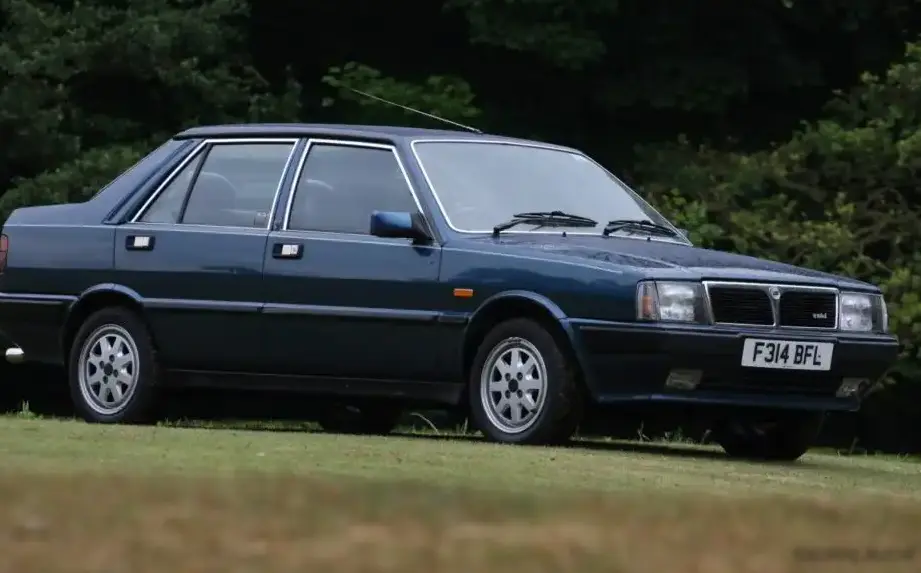
The Lancia Prisma 2.0 4WD, produced between 1986 and 1989, represented a unique offering within the Lancia lineup. Based on the Tipo 831 platform – also known as the Prisma – this variant combined the practicality of a four-door sedan with the added capability of a four-wheel-drive system and a 2.0-liter gasoline engine. It was positioned as a more sophisticated and capable alternative to front-wheel-drive versions, appealing to buyers seeking all-weather performance and a touch of Italian flair. The Prisma itself was a replacement for the Lancia Delta, though it shared little mechanically with its more famous predecessor.
Technical Specifications
| Brand | Lancia |
| Model | Prisma |
| Generation | Prisma (831 AB) |
| Type (Engine) | 2.0 4WD (115 Hp) |
| Start of Production | 1986 |
| End of Production | 1989 |
| Powertrain Architecture | Internal Combustion Engine |
| Body Type | Sedan |
| Fuel Type | Petrol (Gasoline) |
| Power | 115 Hp |
| Engine Model/Code | 831 B4.000 |
| Engine Aspiration | Naturally Aspirated |
| Engine Oil Capacity | 5.2 l (5.49 US qt | 4.58 UK qt) |
| Coolant Capacity | 6 l (6.34 US qt | 5.28 UK qt) |
Powertrain & Engine Architecture
The heart of the Prisma 2.0 4WD was the 831 B4.000 engine, a 1,995 cc (121.6 cubic inch) inline-four cylinder gasoline engine. This engine featured a cast iron block and an aluminum cylinder head, employing a single overhead camshaft (SOHC) design operating two valves per cylinder. Fuel delivery was managed by Bosch mechanical fuel injection, a system common for the era, providing a balance between performance and fuel efficiency. While not a particularly high-revving engine, it delivered a respectable 115 horsepower at approximately 5,800 rpm and 137 lb-ft of torque at 3,800 rpm. The engine’s characteristics were geared towards providing usable torque across a broad rev range, rather than peak power figures.
The four-wheel-drive system employed a viscous coupling to distribute power between the front and rear axles. This system was fully automatic, requiring no driver intervention, and provided enhanced traction in slippery conditions. The transmission was a five-speed manual, as an automatic transmission was not offered with the 2.0 4WD variant. The drivetrain components were robustly built, designed to handle the increased stresses associated with all-wheel drive.
Driving Characteristics
The Prisma 2.0 4WD offered a noticeably different driving experience compared to its front-wheel-drive counterparts. The all-wheel-drive system provided significantly improved grip, particularly on loose surfaces like gravel or snow. Acceleration was reasonably brisk, with a 0-60 mph time estimated around 9.5-10.5 seconds, depending on load and road conditions. The five-speed manual transmission allowed drivers to keep the engine in its optimal power band, while the gear ratios were spaced to provide a balance between acceleration and cruising efficiency. The steering was relatively light, typical of Italian cars of the period, and provided adequate feedback. However, the added weight of the 4WD system did contribute to a slightly less nimble feel compared to the lighter, front-wheel-drive models.
Equipment & Trim Levels
The Prisma 2.0 4WD was generally well-equipped for its time, though it wasn’t positioned as a luxury vehicle. Standard features typically included power steering, central locking, electric windows, and a basic stereo system. Interior upholstery was typically cloth, with options for upgraded materials available. The dashboard layout was functional and straightforward, with clearly marked gauges and controls. Optional extras included a sunroof, alloy wheels, and upgraded sound systems. The trim level was generally consistent across the 2.0 4WD models, with limited customization options available.
Chassis & Braking
The Prisma 2.0 4WD utilized an independent suspension system at all four corners, featuring MacPherson struts at the front and a semi-trailing arm setup at the rear. This suspension configuration provided a comfortable ride quality, while also offering reasonable handling characteristics. The braking system consisted of disc brakes at the front and drum brakes at the rear. While adequate for normal driving conditions, the rear drum brakes were a point of criticism, as they lacked the stopping power and fade resistance of disc brakes. The car featured a stabilizer bar at the front to reduce body roll during cornering.
Market Reception & Comparison
The Lancia Prisma 2.0 4WD was a relatively niche model, appealing to a specific segment of buyers who valued all-weather capability and a more refined driving experience. Critics generally praised the car’s comfortable ride, improved traction, and stylish Italian design. However, the car’s relatively high price compared to front-wheel-drive competitors and the presence of rear drum brakes were points of concern. Compared to the standard Prisma models, the 2.0 4WD offered significantly improved performance and handling, but at the cost of increased weight and fuel consumption. It also differed from the more sporty Lancia Delta, which offered a more focused driving experience and a wider range of performance options.
Legacy
The Lancia Prisma 2.0 4WD, while not a high-volume seller, holds a unique place in Lancia’s history. The 831 B4.000 engine proved to be relatively reliable, although regular maintenance is crucial for these older engines. The four-wheel-drive system, while simple in design, has proven durable over time. Today, the Prisma 2.0 4WD is a sought-after classic car, particularly among Lancia enthusiasts. Finding well-maintained examples can be challenging, and parts availability can be limited. However, its combination of Italian style, all-wheel-drive capability, and relative rarity makes it a desirable and increasingly collectible vehicle. The car represents a transitional period for Lancia, bridging the gap between its more traditional models and the more modern designs that followed.
