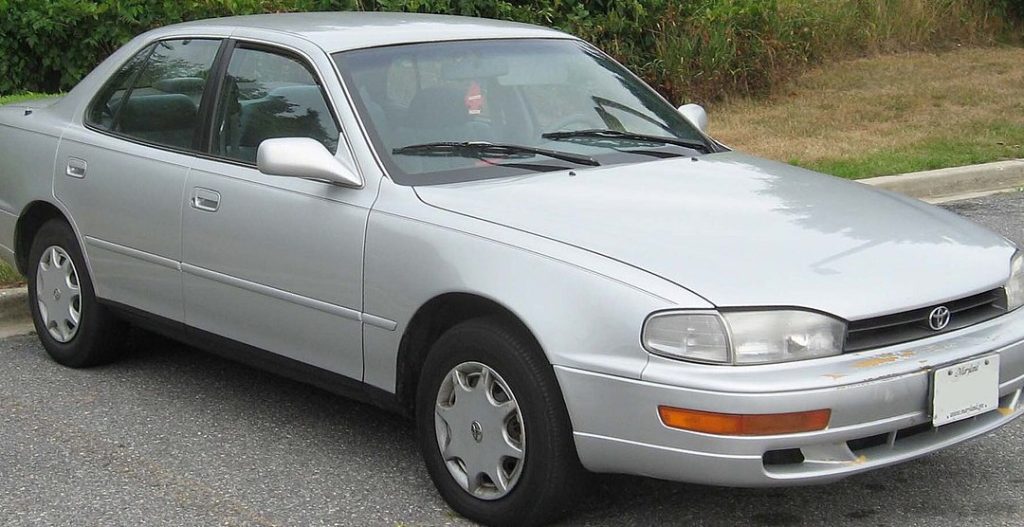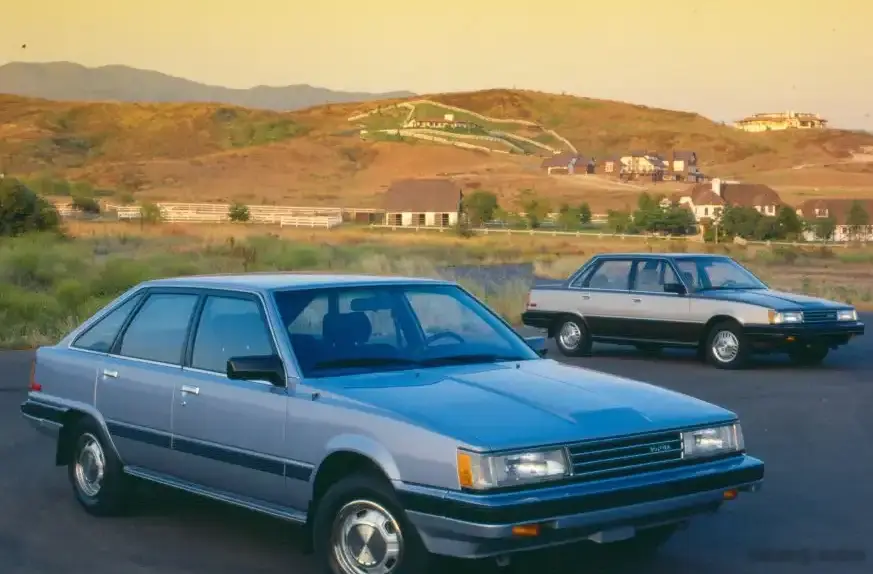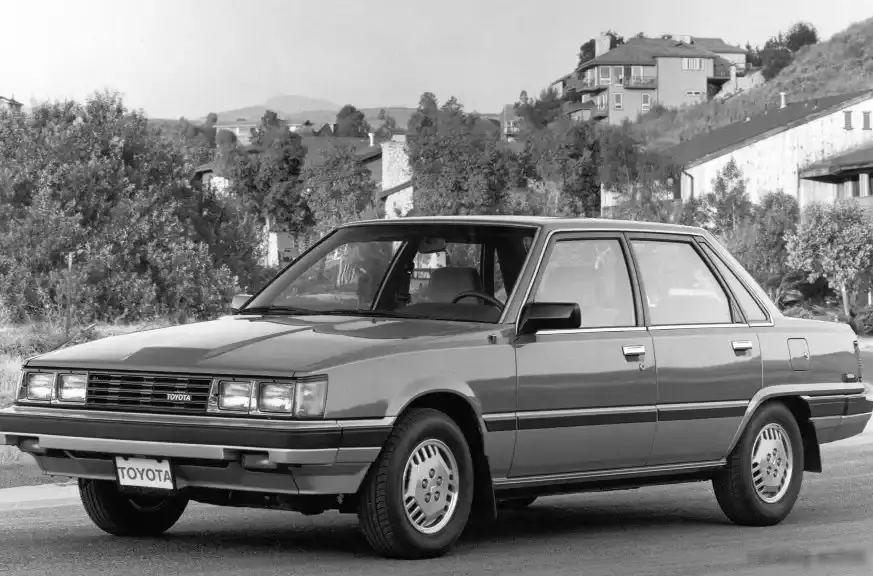
The Toyota Camry I (V10) 1.8 Turbo-D, produced between 1984 and 1986, represents a unique and relatively uncommon variant within the first generation Camry lineup. Introduced as a fuel-efficient alternative in several export markets, particularly Europe and Australia, this model aimed to provide a diesel-powered option in a segment largely dominated by gasoline engines. It occupied the lower end of the V10 Camry range, positioned as an economy-focused choice for buyers prioritizing fuel consumption over outright performance. The V10 Camry itself was a significant model for Toyota, marking the Camry’s transition from a Corolla-based subcompact to a dedicated mid-size offering, and the 1.8 Turbo-D played a specific role in broadening its appeal.
Technical Specifications
| Brand | Toyota |
| Model | Camry |
| Generation | Camry I (V10) |
| Type (Engine) | 1.8 Turbo-D (73 Hp) |
| Start of production | 1984 |
| End of production | 1986 |
| Powertrain Architecture | Internal Combustion engine |
| Body type | Sedan |
| Seats | 5 |
| Doors | 4 |
| Fuel Type | Diesel |
| Acceleration 0 – 100 km/h | 14.2 sec |
| Acceleration 0 – 62 mph | 14.2 sec |
| Acceleration 0 – 60 mph | 13.5 sec |
| Maximum speed | 165 km/h (102.53 mph) |
| Weight-to-power ratio | 15.1 kg/Hp, 66.4 Hp/tonne |
| Weight-to-torque ratio | 7.6 kg/Nm, 131.8 Nm/tonne |
| Power | 73 Hp @ 4500 rpm |
| Power per litre | 39.7 Hp/l |
| Torque | 145 Nm @ 2600 rpm (106.95 lb.-ft. @ 2600 rpm) |
| Engine layout | Front, Transverse |
| Engine Model/Code | 1C-TLC |
| Engine displacement | 1839 cm3 (112.22 cu. in.) |
| Number of cylinders | 4 |
| Engine configuration | Inline |
| Cylinder Bore | 83 mm (3.27 in.) |
| Piston Stroke | 85 mm (3.35 in.) |
| Compression ratio | 22.5:1 |
| Number of valves per cylinder | 2 |
| Engine aspiration | Turbocharger |
| Kerb Weight | 1100 kg (2425.08 lbs.) |
| Fuel tank capacity | 55 l (14.53 US gal | 12.1 UK gal) |
| Length | 4435 mm (174.61 in.) |
| Width | 1690 mm (66.54 in.) |
| Height | 1395 mm (54.92 in.) |
| Wheelbase | 2600 mm (102.36 in.) |
| Minimum turning circle | 10.6 m (34.78 ft.) |
| Drivetrain Architecture | The Internal combustion engine (ICE) drives the front wheels of the vehicle. |
| Drive wheel | Front wheel drive |
| Number of gears and type of gearbox | 5 gears, manual transmission |
| Front suspension | Independent, type McPherson with coil spring and anti-roll bar |
| Rear suspension | Independent coil spring |
| Front brakes | Ventilated discs |
| Rear brakes | Drum |
| Tires size | 185/70 R13 |
| Wheel rims size | 13 |
Powertrain & Engine Architecture
The heart of the Camry 1.8 Turbo-D is the 1C-TLC engine, a 1.8-liter inline-four cylinder diesel. This engine was notable for its use of a turbocharger, a relatively uncommon feature for diesel engines of this era, especially in this vehicle class. The turbocharger was implemented to boost power and improve driveability, compensating for the inherent limitations of a naturally aspirated diesel engine. The 1C-TLC featured indirect injection, utilizing a pre-chamber combustion system. This system involved a small pre-chamber where fuel was initially injected and ignited, then transferred to the main combustion chamber for complete combustion. This design helped to improve combustion efficiency and reduce noise. The engine’s 22.5:1 compression ratio was typical for diesel engines of the time, contributing to its fuel efficiency. The five-speed manual transmission was the only gearbox option available with this engine, geared towards maximizing fuel economy rather than providing sporty acceleration. The transmission’s gear ratios were relatively tall, further emphasizing fuel conservation over rapid acceleration.
Driving Characteristics
The 1.8 Turbo-D Camry offered a distinctly different driving experience compared to its gasoline-powered counterparts. With only 73 horsepower, acceleration was leisurely, taking approximately 14.2 seconds to reach 100 km/h (62 mph). The turbocharger did provide a noticeable boost in mid-range power, making it more manageable for overtaking maneuvers on the highway. However, the engine lacked the responsiveness and refinement of more modern diesel engines. The manual transmission, while offering precise control, required frequent shifting to maintain momentum, especially when climbing hills or carrying a full load. Compared to the available gasoline engines, the 1.8 Turbo-D prioritized fuel economy over performance, making it a practical choice for long-distance drivers. The engine’s torque characteristics meant that it felt stronger at lower RPMs than the gasoline alternatives, but it quickly ran out of breath at higher speeds.
Equipment & Trim Levels
The 1.8 Turbo-D Camry typically came with a relatively basic level of equipment, reflecting its position as the entry-level model. Standard features generally included cloth upholstery, a basic AM/FM radio, and manual windows and door locks. Air conditioning was often an optional extra. Interior trim was functional and durable, prioritizing practicality over luxury. The dashboard layout was straightforward, with clearly labeled controls. Depending on the market, some models may have included features like a rear window defogger and a basic trip odometer. The overall focus was on providing a comfortable and reliable transportation experience at an affordable price point. Higher trim levels of the Camry, such as those equipped with the gasoline engines, offered features like power windows, upgraded audio systems, and more luxurious interior materials, which were generally not available on the 1.8 Turbo-D.
Chassis & Braking
The Camry 1.8 Turbo-D utilized a front-engine, front-wheel-drive layout. The suspension consisted of an independent McPherson strut setup at the front and an independent coil spring arrangement at the rear, providing a reasonable balance between ride comfort and handling. The front brakes were ventilated discs, offering adequate stopping power, while the rear brakes were drums, a cost-saving measure common in this class of vehicle. The steering was a rack-and-pinion system, providing precise and responsive control. The 185/70 R13 tires offered a good compromise between grip and fuel efficiency. The chassis was designed to provide a stable and predictable driving experience, even when fully loaded. The suspension tuning was softer than that of the gasoline-powered models, prioritizing ride comfort over sporty handling.
Market Reception & Comparison
The 1.8 Turbo-D Camry received mixed reviews. Critics praised its fuel efficiency and durability, but often criticized its lack of power and refinement. Compared to the gasoline-powered Camry models, the diesel version offered significantly lower running costs but at the expense of performance. It was often seen as a practical choice for fleet operators and drivers who prioritized economy over driving enjoyment. In comparison to other diesel-powered vehicles of the time, the Camry 1.8 Turbo-D offered a more comfortable and refined driving experience, but it was often more expensive to purchase. Its reliability was generally considered good, but maintenance costs could be higher due to the complexity of the turbocharger and indirect injection system. The Volkswagen Golf and Ford Escort diesel models were direct competitors, often offering similar fuel economy at a lower price point, but typically with less interior space and refinement.
Legacy
The Toyota Camry 1.8 Turbo-D, while not a high-volume seller, holds a unique place in the Camry’s history. It demonstrated Toyota’s willingness to experiment with diesel technology and cater to markets where fuel efficiency was a primary concern. Today, these models are relatively rare and sought after by collectors and enthusiasts. The 1C-TLC engine, while not known for its blistering performance, is generally considered to be a durable and reliable unit when properly maintained. Finding parts can be challenging, but the engine’s robust construction means that many examples are still on the road today. The 1.8 Turbo-D Camry represents a fascinating chapter in the evolution of the Camry, showcasing Toyota’s commitment to innovation and its ability to adapt to diverse market demands. Its relative scarcity has contributed to a growing interest among classic car enthusiasts, and well-maintained examples are increasingly valued for their historical significance and unique character.