
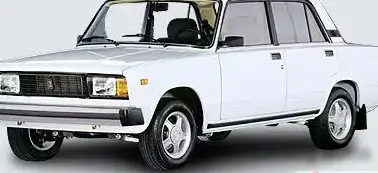
The Lada 21053 1.5i, produced between 2005 and 2007, represents a late iteration of the iconic Lada 2105 model. This variant, equipped with a 1.5-liter inline-four engine producing 71 horsepower, served as a relatively affordable and practical option within the Lada lineup during its final years of production. The 2105 itself was a significant vehicle for AvtoVAZ, the Soviet/Russian automaker, being a modernized evolution of the Fiat 124, licensed and adapted for Soviet production in the late 1960s. The 21053 designation specifically denotes models produced with updated features and, in this case, a fuel-injected engine, aiming to meet increasingly stringent emissions standards and offer improved drivability compared to earlier carbureted versions.
Technical Specifications
| Brand | Lada |
| Model | 2105 |
| Generation | 21053 |
| Type (Engine) | 1.5i (71 Hp) |
| Start of production | 2005 |
| End of production | 2007 |
| Powertrain Architecture | Internal Combustion engine |
| Body type | Sedan |
| Fuel Type | Petrol (Gasoline) |
| Power | 71 Hp @ 5600 rpm |
| Power per litre | 49 Hp/l |
| Torque | 104 Nm @ 3400 rpm / 76.71 lb.-ft. @ 3400 rpm |
| Engine layout | Front, Longitudinal |
| Engine displacement | 1450 cm3 / 88.48 cu. in. |
| Number of cylinders | 4 |
| Engine configuration | Inline |
| Cylinder Bore | 76 mm / 2.99 in. |
| Piston Stroke | 80 mm / 3.15 in. |
| Compression ratio | 8.5:1 |
| Number of valves per cylinder | 2 |
| Fuel injection system | Single-point injection |
| Engine aspiration | Naturally aspirated engine |
| Valvetrain | OHC |
| Drivetrain Architecture | Rear wheel drive. Internal Combustion engine (ICE) |
Powertrain & Engine Architecture
The heart of the 21053 1.5i is the 1450cc inline-four cylinder engine, designated internally as a variation of the Lada 1.5 series. A key upgrade over earlier 2105 models was the adoption of single-point fuel injection, replacing the previously used carburetor. This system, while not as sophisticated as multi-point injection, offered improvements in fuel efficiency and reduced emissions. The engine utilizes an overhead camshaft (OHC) valvetrain, operating two valves per cylinder. The engine’s relatively low compression ratio of 8.5:1 was a compromise to allow the use of lower octane fuel, common in many of the markets where the Lada was sold. The engine is longitudinally mounted in the front of the vehicle, driving the rear wheels. The transmission is a typically robust, though unsophisticated, four-speed manual gearbox. An optional, but less common, four-speed automatic transmission was also available, though it was generally considered less reliable and significantly impacted performance.
Driving Characteristics
The 21053 1.5i, with its 71 horsepower and 104 Nm (76.71 lb-ft) of torque, offered modest performance. Acceleration was leisurely, and highway passing required careful planning. The four-speed manual transmission allowed for reasonable control over the engine’s power band, but the automatic version, when equipped, felt particularly sluggish due to its conservative gearing and the engine’s limited output. The rear-wheel-drive layout provided a traditional driving experience, but also demanded respect in slippery conditions. The suspension, while simple, was generally comfortable on rough roads, a characteristic valued by Lada buyers. Compared to the more powerful (though less common) 1.6-liter versions of the 2105, the 1.5i prioritized fuel economy and affordability over outright performance.
Equipment & Trim Levels
The 21053 1.5i typically represented the entry-level trim within the 2105 range. Standard equipment was basic, including cloth upholstery, a simple dashboard layout, and manual windows and door locks. A basic AM/FM radio was often included, though higher-end models could be equipped with cassette players. Optional extras included upgraded interior trim, a sunroof, and improved sound systems. The overall interior design was functional but spartan, reflecting the car’s focus on affordability. Safety features were minimal, typically limited to seatbelts and a basic steering column lock.
Chassis & Braking
The Lada 21053 utilized a body-on-frame construction, a design choice rooted in its origins as a derivative of the Fiat 124. The suspension consisted of independent front suspension with wishbones and coil springs, and a live rear axle with leaf springs. Braking was typically accomplished with disc brakes on the front wheels and drum brakes on the rear. Steering was a recirculating ball system, providing a somewhat vague but predictable feel. Stabilizer bars were often omitted on the base models, contributing to a noticeable degree of body roll in corners.
Market Reception & Comparison
The Lada 21053 1.5i was primarily targeted at budget-conscious buyers in Russia and other Eastern European markets. Critics generally acknowledged its affordability and durability, but also pointed to its outdated design, modest performance, and lack of modern features. Compared to the more powerful 1.6-liter versions of the 2105, the 1.5i offered better fuel economy but significantly less performance. The automatic transmission variant was often criticized for its sluggishness and reduced reliability. Despite its shortcomings, the 21053 1.5i remained a popular choice for those seeking a simple, reliable, and inexpensive means of transportation.
Legacy
The Lada 2105, and specifically the 21053 1.5i, holds a significant place in automotive history as one of the last mass-produced vehicles based on the Fiat 124 platform. While not known for technological innovation, its robust construction and simple design contributed to its longevity and widespread use. Today, the 21053 1.5i is increasingly sought after by classic car enthusiasts and collectors, particularly those interested in Soviet-era automotive history. The 1.5-liter engine, while not particularly powerful, is generally considered reliable and relatively easy to maintain, making it a viable option for those seeking a classic car project. Parts availability can be a challenge, but a dedicated community of Lada enthusiasts continues to support the preservation and restoration of these iconic vehicles.
