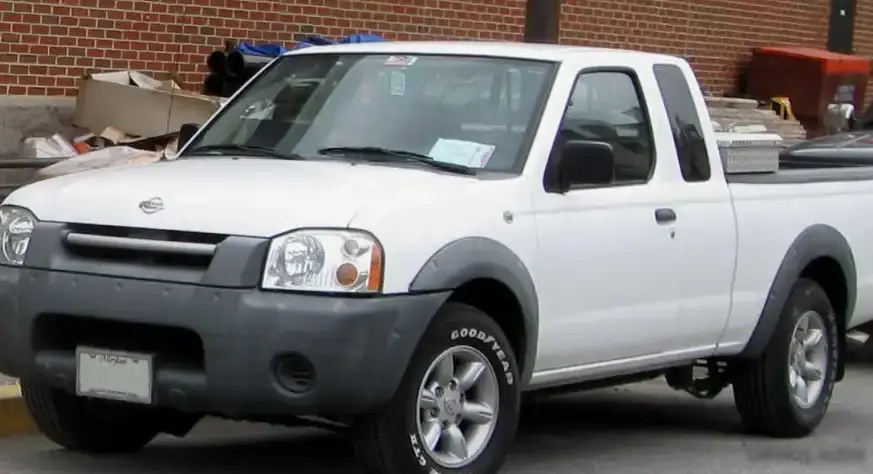
The Nissan Frontier II King Cab, specifically the facelifted version introduced in 2009, represented a significant update to Nissan’s mid-size pickup truck offering. Produced through 2020, this generation (D40 chassis code) aimed to balance rugged capability with improved refinement. The 4.0-liter V6 engine, producing 261 horsepower, was a key component of the Frontier lineup, positioned as a strong performer for those needing substantial towing and hauling capacity. This variant, often paired with a six-speed manual transmission, served as a workhorse option appealing to buyers prioritizing utility over fuel economy. It occupied a middle ground within the Frontier range, offering more power than the base 2.5-liter four-cylinder models but falling short of any potential high-performance or luxury trims.
Technical Specifications
| Brand | Nissan |
| Model | Frontier |
| Generation | Frontier II King Cab (D40, facelift 2009) |
| Type (Engine) | 4.0 V6 (261 Hp) |
| Start of production | 2009 |
| End of production | 2020 |
| Powertrain Architecture | Internal Combustion engine |
| Body type | Pick-up |
| Seats | 4 |
| Doors | 2 |
| Fuel consumption (urban) | 14.7 l/100 km (16 US mpg, 19.2 UK mpg, 6.8 km/l) |
| Fuel consumption (extra urban) | 10.6 l/100 km (22.2 US mpg, 26.6 UK mpg, 9.4 km/l) |
| Fuel Type | Petrol (Gasoline) |
| Weight-to-power ratio | 7.3 kg/Hp, 137.8 Hp/tonne |
| Weight-to-torque ratio | 5 kg/Nm, 201.2 Nm/tonne |
| Power | 261 Hp @ 5600 rpm |
| Power per litre | 66 Hp/l |
| Torque | 381 Nm @ 4000 rpm (281.01 lb.-ft. @ 4000 rpm) |
| Maximum engine speed | 6000 rpm |
| Engine layout | Front, Longitudinal |
| Engine Model/Code | VQ40DE |
| Engine displacement | 3954 cm3 (241.29 cu. in.) |
| Number of cylinders | 6 |
| Engine configuration | V-engine |
| Cylinder Bore | 95.5 mm (3.76 in.) |
| Piston Stroke | 92 mm (3.62 in.) |
| Compression ratio | 9.7:1 |
| Number of valves per cylinder | 4 |
| Fuel injection system | Multi-port manifold injection |
| Engine aspiration | Naturally aspirated engine |
| Valvetrain | DOHC |
| Engine oil capacity | 5.1 l (5.39 US qt | 4.49 UK qt) |
| Coolant capacity | 10.2 l (10.78 US qt | 8.97 UK qt) |
| Kerb Weight | 1894 kg (4175.56 lbs.) |
| Max. weight | 2581 kg (5690.13 lbs.) |
| Max load | 687 kg (1514.58 lbs.) |
| Trunk (boot) space – minimum | 948 l (33.48 cu. ft.) |
| Fuel tank capacity | 80 l (21.13 US gal | 17.6 UK gal) |
| Permitted trailer load with brakes (12%) | 2948 kg (6499.23 lbs.) |
| Permitted towbar download | 295 kg (650.36 lbs.) |
| Length | 5220 mm (205.51 in.) |
| Width | 1850 mm (72.83 in.) |
| Height | 1770 mm (69.69 in.) |
| Wheelbase | 3200 mm (125.98 in.) |
| Front track | 1570 mm (61.81 in.) |
| Rear (Back) track | 1570 mm (61.81 in.) |
| Ride height (ground clearance) | 218 mm (8.58 in.) |
| Minimum turning circle (turning diameter) | 13.2 m (43.31 ft.) |
| Approach angle | 30.5° |
| Departure angle | 22.1° |
| Ramp-over (brakeover) angle | 19.8° |
| Drivetrain Architecture | Rear wheel drive |
| Number of gears and type of gearbox | 6 gears, manual transmission |
| Front suspension | Double wishbone |
| Rear suspension | Leaf spring |
| Front brakes | Ventilated discs |
| Rear brakes | Ventilated discs |
| Assisting systems | ABS (Anti-lock braking system) |
| Steering type | Steering rack and pinion |
| Tires size | 265/70 R16; 265/75 R16 |
| Wheel rims size | 7.0J x 16 |
Powertrain & Engine Architecture
The heart of this Frontier variant is the VQ40DE 4.0-liter V6 engine. This engine, a member of Nissan’s highly regarded VQ family, is a 60-degree V-engine featuring an aluminum alloy block and cylinder heads. It utilizes a double overhead camshaft (DOHC) valvetrain with four valves per cylinder, contributing to its respectable power output. Fuel delivery is managed by a multi-port fuel injection system, providing precise fuel metering for optimal combustion. The engine’s 3954cc displacement, combined with a 9.7:1 compression ratio, delivers a balance of torque and horsepower. The six-speed manual transmission, a common pairing for this engine, features a traditional gear layout designed for both on-road comfort and off-road capability. The transmission’s gear ratios are tuned to maximize the engine’s torque, providing strong acceleration and confident towing performance.
Driving Characteristics
The 4.0-liter V6 with the six-speed manual transmission delivers a noticeably more engaging driving experience compared to the base four-cylinder Frontier. Acceleration is brisk, and the engine provides ample power for merging onto highways and passing other vehicles. The manual transmission allows for greater driver control, particularly when navigating challenging terrain or towing heavy loads. While not a sports truck, the V6 Frontier offers a responsive and capable driving experience. Compared to automatic transmission equipped models, the manual provides a more direct connection to the powertrain and allows the driver to maintain optimal engine speed for maximum power and efficiency. However, it does require more driver involvement and may not be as comfortable for daily commuting in heavy traffic.
Equipment & Trim Levels
The 2009-2020 Nissan Frontier II King Cab 4.0 V6 typically came standard with features such as air conditioning, power windows and locks, and a basic audio system. The King Cab configuration offered extended rear seating, providing more passenger space than the standard cab models. Higher trim levels, such as the SE and LE, added features like alloy wheels, upgraded audio systems, and premium interior materials. Optional extras included a sunroof, navigation system, and a towing package. The interior generally featured durable, utilitarian materials designed to withstand the rigors of truck ownership. Upholstery was typically cloth, with leather options available on higher trims.
Chassis & Braking
The Frontier II King Cab utilizes a body-on-frame construction, providing a robust and durable platform for demanding applications. The front suspension features a double wishbone design, offering a comfortable ride and good handling characteristics. The rear suspension employs a traditional leaf spring setup, optimized for load-carrying capacity. Braking duties are handled by ventilated disc brakes on all four wheels, providing ample stopping power. An Anti-lock Braking System (ABS) is standard, enhancing safety and control during emergency braking situations. The truck’s relatively high ground clearance (218mm) allows for moderate off-road capability.
Market Reception & Comparison
The 4.0-liter V6 Frontier was generally well-received by critics and consumers alike. It was praised for its strong engine performance, capable towing capacity, and durable construction. Fuel economy, however, was a common criticism, as the V6 engine is relatively thirsty compared to smaller displacement engines. Compared to the base 2.5-liter four-cylinder Frontier, the V6 offered a significant performance upgrade, but at the cost of increased fuel consumption. In terms of reliability, the VQ40DE engine has a generally good reputation, although routine maintenance is essential to ensure long-term durability. Compared to competitors like the Toyota Tacoma and Ford Ranger, the Frontier offered a competitive combination of price, performance, and features.
Legacy
The Nissan Frontier II King Cab 4.0 V6 has proven to be a reliable and durable truck, maintaining a strong presence in the used car market. The VQ40DE engine is known for its longevity, and with proper maintenance, can provide many years of service. These trucks are often sought after by buyers looking for a capable and affordable mid-size pickup. While the Frontier has undergone further revisions since the D40 generation, the 4.0-liter V6 variant remains a popular choice for those seeking a rugged and dependable workhorse.