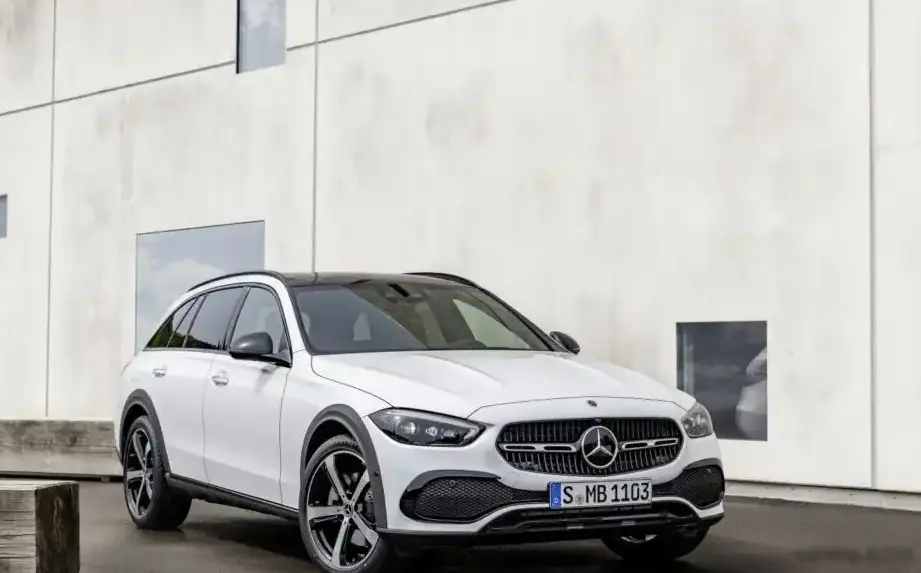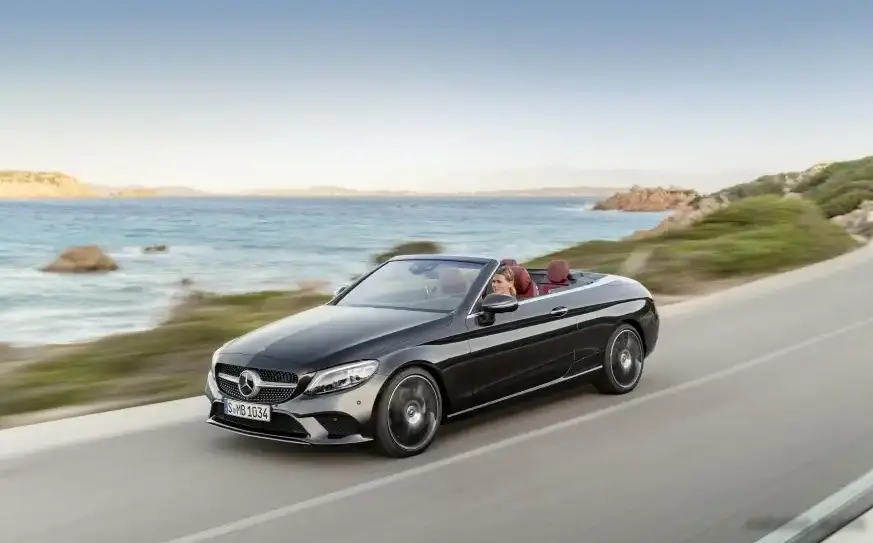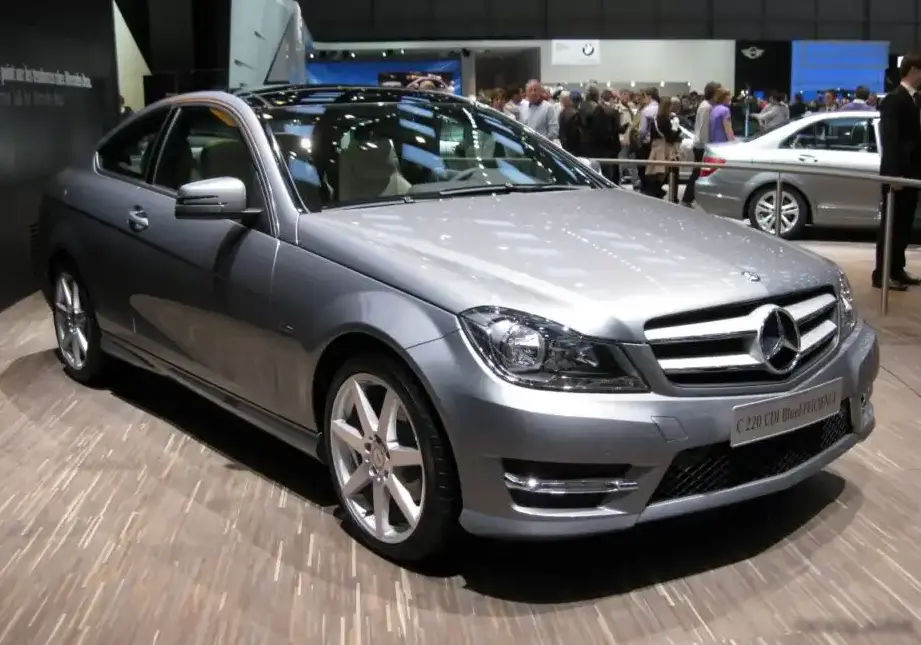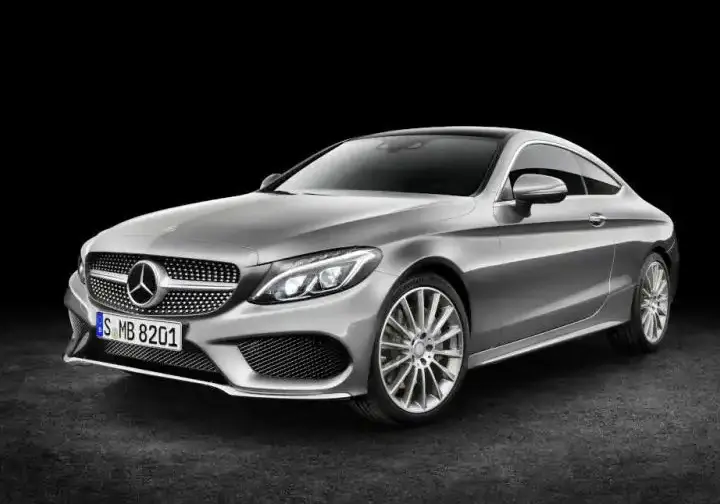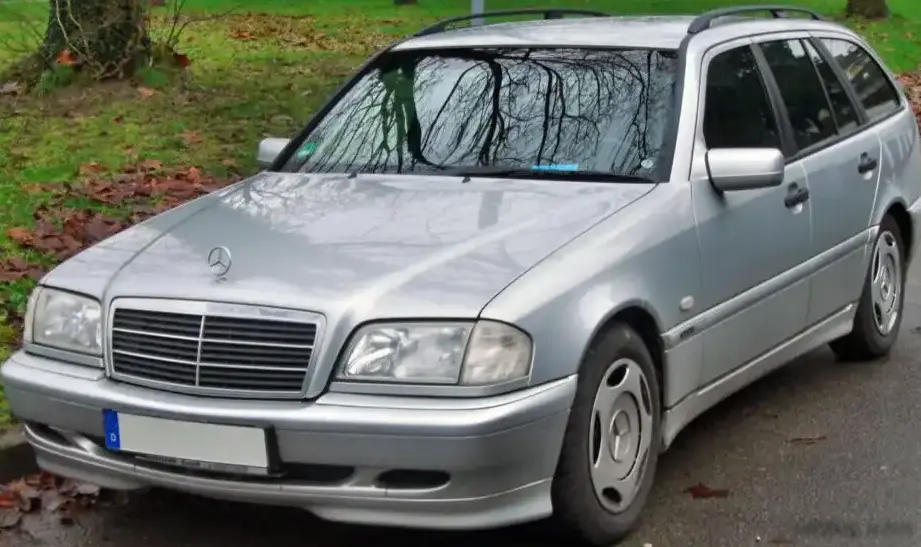
The Mercedes-Benz C-Class T-modell (S202) C 200 D, produced from June 1997 to June 1998, represented a practical and fuel-efficient entry point into the premium compact estate car segment. Part of the facelifted W202 series, this variant offered a diesel-powered option for buyers prioritizing economy and load-carrying capacity over outright performance. It occupied the lower-mid range of the T-modell lineup, positioned below the more powerful gasoline-fueled C 280 and C 36 AMG models, and above the base C 180 D. The S202 platform, introduced in 1996, was Mercedes-Benz’s first foray into the compact estate market, aiming to attract a broader customer base.
Technical Specifications
| Brand | Mercedes-Benz |
| Model | C-Class |
| Generation | C-Class T-modell (S202, facelift 1997) |
| Type (Engine) | C 200 D (88 Hp) |
| Start of production | June, 1997 |
| End of production | June, 1998 |
| Powertrain Architecture | Internal Combustion engine |
| Body type | Station wagon (estate) |
| Seats | 5 |
| Doors | 5 |
| Fuel consumption (urban) | 10.2 l/100 km (23.1 US mpg, 27.7 UK mpg, 9.8 km/l) |
| Fuel consumption (extra urban) | 5.8 l/100 km (40.6 US mpg, 48.7 UK mpg, 17.2 km/l) |
| Fuel consumption (combined) | 7.4 l/100 km (31.8 US mpg, 38.2 UK mpg, 13.5 km/l) |
| Fuel Type | Diesel |
| Maximum speed | 170 km/h (105.63 mph) |
| Weight-to-power ratio | 16.4 kg/Hp, 61.1 Hp/tonne |
| Weight-to-torque ratio | 10.7 kg/Nm, 93.8 Nm/tonne |
| Power | 88 Hp @ 5000 rpm |
| Power per litre | 44.1 Hp/l |
| Torque | 135 Nm @ 2000-4650 rpm (99.57 lb.-ft. @ 2000-4650 rpm) |
| Engine layout | Front, Longitudinal |
| Engine Model/Code | OM 604 D 20 / 604.915 |
| Engine displacement | 1997 cm3 (121.86 cu. in.) |
| Number of cylinders | 4 |
| Engine configuration | Inline |
| Cylinder Bore | 86.99 mm (3.42 in.) |
| Piston Stroke | 84 mm (3.31 in.) |
| Compression ratio | 22:1 |
| Number of valves per cylinder | 4 |
| Fuel injection system | Precombustion chamber injection |
| Engine aspiration | Naturally aspirated engine |
| Valvetrain | DOHC |
| Engine oil capacity | 6.5 l (6.87 US qt | 5.72 UK qt) |
| Coolant | 7 l (7.4 US qt | 6.16 UK qt) |
| Kerb Weight | 1440 kg (3174.66 lbs.) |
| Max. weight | 1950 kg (4299.01 lbs.) |
| Max load | 510 kg (1124.36 lbs.) |
| Fuel tank capacity | 62 l (16.38 US gal | 13.64 UK gal) |
| Length | 4516 mm (177.8 in.) |
| Width | 1723 mm (67.83 in.) |
| Height | 1460 mm (57.48 in.) |
| Wheelbase | 2690 mm (105.91 in.) |
| Front track | 1499 mm (59.02 in.) |
| Rear track | 1464 mm (57.64 in.) |
| Drivetrain Architecture | Rear wheel drive |
| Drive wheel | Rear wheel drive |
| Number of gears | 5 gears, manual transmission |
| Front suspension | Double wishbone |
| Rear suspension | Independent multi-link spring suspension with stabilizer |
| Front brakes | Disc |
| Rear brakes | Disc |
| Assisting systems | ABS (Anti-lock braking system) |
| Steering type | Cone worm with recirculation balls |
| Power steering | Hydraulic Steering |
| Tires size | 195/65 R15 |
| Wheel rims size | 6.5J x 15 |
Powertrain & Engine Architecture
The C 200 D was powered by the OM 604 D 20 engine, a 2.0-liter inline-four cylinder diesel. This engine utilized a precombustion chamber injection system, a common feature in Mercedes-Benz diesels of the era, designed to improve combustion efficiency and reduce noise. The OM604 series was known for its robust construction and relatively smooth operation for a diesel engine. The engine produced 88 horsepower at 5000 rpm and 135 Nm (99.57 lb-ft) of torque between 2000 and 4650 rpm. The engine featured a double overhead camshaft (DOHC) valvetrain with four valves per cylinder, contributing to its relatively high power output for its displacement. The engine was mounted longitudinally in the front of the vehicle, driving the rear wheels. The five-speed manual transmission was the standard offering, providing a balance between fuel economy and drivability.
Driving Characteristics
The C 200 D T-modell, with its 88 hp and relatively low torque output, wasn’t designed for rapid acceleration. Performance was adequate for everyday driving, but overtaking maneuvers required careful planning. The manual transmission allowed drivers to maximize the available power, but the engine lacked the responsiveness of the higher-output gasoline variants. The gear ratios were optimized for fuel efficiency, resulting in a relaxed cruising experience on the highway. Compared to the C 280 or C 36 AMG, the C 200 D felt significantly slower, but it offered a more economical and practical alternative. The rear-wheel drive configuration provided a balanced handling feel, typical of Mercedes-Benz vehicles of the time.
Equipment & Trim Levels
The C 200 D T-modell typically came equipped with a modest level of standard features. Interior upholstery was usually cloth, with options for leather available at an extra cost. Standard equipment included power windows, central locking, and an AM/FM radio. Air conditioning was a popular optional extra. The dashboard layout was typical of the W202 series, with a functional and straightforward design. Trim levels were relatively limited for the C 200 D, with most options being individually selectable rather than bundled into specific packages.
Chassis & Braking
The S202 T-modell utilized a double wishbone suspension at the front and an independent multi-link spring suspension with a stabilizer bar at the rear. This suspension setup provided a comfortable ride and good handling characteristics. Brakes were disc brakes on all four wheels, providing adequate stopping power for the vehicle’s weight and performance. An Anti-lock Braking System (ABS) was standard, enhancing safety and control during emergency braking situations. The steering system was a cone worm with recirculation balls, offering a precise and responsive feel.
Market Reception & Comparison
The C 200 D T-modell was generally well-received by buyers seeking a practical and economical estate car. Critics praised its fuel efficiency and comfortable ride, but noted its lack of outright performance. Compared to other trims in the C-Class lineup, the C 200 D offered the lowest running costs but sacrificed performance. It competed with other compact estate cars such as the Audi A4 Avant and the BMW 3 Series Touring, offering a more affordable alternative to the German rivals.
Legacy
The OM 604 engine, found in the C 200 D, is known for its durability and longevity. With proper maintenance, these engines can reliably exceed 200,000 miles. Today, the C 200 D T-modell is a relatively rare sight on the road, but it remains a popular choice among enthusiasts seeking a classic Mercedes-Benz estate car. The combination of practicality, fuel efficiency, and robust engineering has ensured its continued appeal in the used car market. While not a performance icon, the C 200 D represents a sensible and well-built option from a respected automotive manufacturer.