
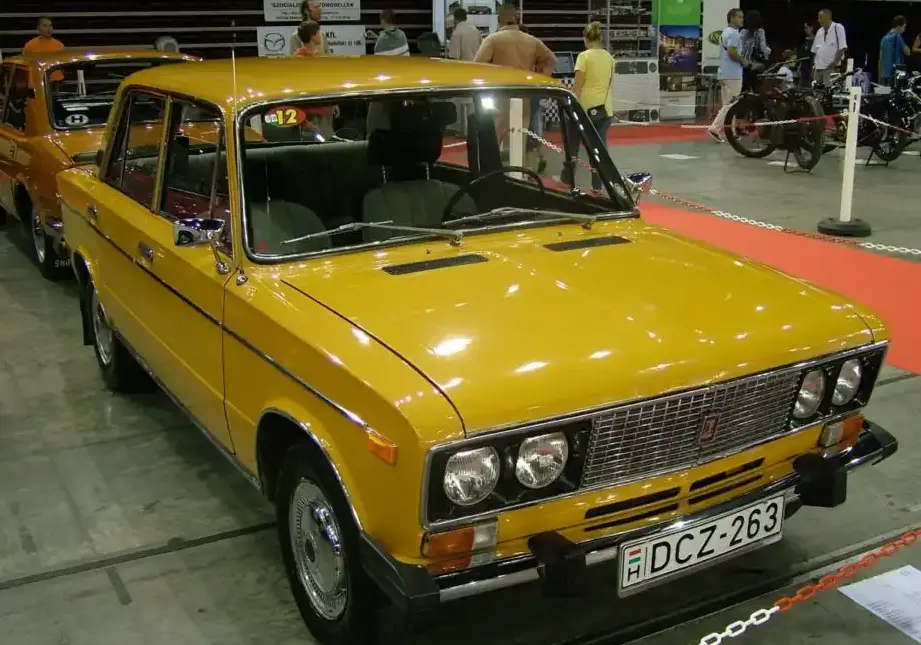
The Lada 2106, often simply referred to as the “Six” (Шестёрка, Shestyorka in Russian), was a popular Soviet-era and subsequently Russian-built sedan produced from 1976 to 2005. Representing a significant modernization of the earlier Lada 2103, the 2106 aimed to offer improved comfort, styling, and reliability. The 1.6-liter, 75 horsepower variant was a mainstay of the lineup throughout much of its production run, serving as the entry-level model and a common sight on roads across Eastern Europe and beyond. It was built upon the rear-wheel-drive platform derived from the Fiat 124, a design licensed and adapted by VAZ (Volzhsky Automobile Plant). The 2106 played a crucial role in providing affordable personal transportation for millions, and remains a beloved classic among enthusiasts.
Technical Specifications
| Brand | Lada |
| Model | 2106 |
| Generation | 2106 |
| Type (Engine) | 1.6 (75 Hp) |
| Start of production | 1976 |
| End of production | 2005 |
| Powertrain Architecture | Internal Combustion engine |
| Body type | Sedan |
| Seats | 5 |
| Doors | 4 |
| Fuel consumption (urban) | 10.1 l/100 km (23.3 US mpg / 28 UK mpg / 9.9 km/l) |
| Fuel Type | Petrol (Gasoline) |
| Acceleration 0 – 100 km/h | 17.5 sec |
| Acceleration 0 – 62 mph | 17.5 sec |
| Acceleration 0 – 60 mph | 16.6 sec |
| Maximum speed | 150 km/h (93.21 mph) |
| Weight-to-power ratio | 13.8 kg/Hp (72.5 Hp/tonne) |
| Weight-to-torque ratio | 8.9 kg/Nm (112.1 Nm/tonne) |
| Power | 75 Hp @ 5400 rpm |
| Power per litre | 47.8 Hp/l |
| Torque | 116 Nm @ 3000 rpm (85.56 lb.-ft. @ 3000 rpm) |
| Engine layout | Front, Longitudinal |
| Engine displacement | 1569 cm3 (95.75 cu. in.) |
| Number of cylinders | 4 |
| Engine configuration | Inline |
| Cylinder Bore | 79 mm (3.11 in.) |
| Piston Stroke | 80 mm (3.15 in.) |
| Compression ratio | 8.5:1 |
| Number of valves per cylinder | 2 |
| Fuel injection system | Carburettor |
| Engine aspiration | Naturally aspirated engine |
| Valvetrain | OHC |
| Kerb Weight | 1035 kg (2281.78 lbs.) |
| Max. weight | 1435 kg (3163.63 lbs.) |
| Max load | 400 kg (881.85 lbs.) |
| Trunk (boot) space – maximum | 345 l (12.18 cu. ft.) |
| Fuel tank capacity | 39 l (10.3 US gal | 8.58 UK gal) |
| Length | 4166 mm (164.02 in.) |
| Width | 1611 mm (63.43 in.) |
| Height | 1440 mm (56.69 in.) |
| Wheelbase | 2424 mm (95.43 in.) |
| Front track | 1365 mm (53.74 in.) |
| Rear (Back) track | 1321 mm (52.01 in.) |
| Drivetrain Architecture | The Internal combustion engine (ICE) drives the rear wheels of the vehicle. |
| Drive wheel | Rear wheel drive |
| Number of gears and type of gearbox | 4 gears, manual transmission |
| Front suspension | Double wishbone |
| Rear suspension | Coil spring |
| Front brakes | Disc |
| Rear brakes | Drum |
| Steering type | Worm-reduction unit |
| Tires size | 175/70 SR13 |
Powertrain & Engine Architecture
The heart of the Lada 2106 1.6 was the 1569cc inline-four cylinder engine. Designated with various codes depending on the year of manufacture, it was a relatively simple, robust design. The engine featured a single overhead camshaft (OHC) operating two valves per cylinder. Fuel delivery was handled by a carburetor – typically a K-126D model – a common feature of Soviet-era automotive engineering. This carburetor system, while reliable, was less efficient and produced higher emissions compared to fuel injection systems. The engine’s longitudinal mounting and rear-wheel-drive configuration were inherited from the original Fiat 124 design. The four-speed manual transmission was the standard offering, providing relatively long gearing aimed at fuel economy rather than outright performance. The engine produced 75 horsepower at 5400 rpm and 116 Nm (85.56 lb-ft) of torque at 3000 rpm.
Driving Characteristics
The 1.6-liter, 75 hp Lada 2106 was not known for its blistering acceleration. The 0-60 mph time of around 16.6 seconds reflects its modest power output and relatively heavy weight. However, the engine proved to be quite durable and capable of handling sustained use. The long gearing of the four-speed manual transmission meant that the car felt relaxed at cruising speeds, but required frequent downshifts for overtaking or climbing hills. Compared to the more powerful Lada 2107 (which offered a 1.6L with slightly more power) or the diesel-powered variants, the 2106 1.6 prioritized affordability and fuel economy over performance. The rear-wheel-drive layout provided a predictable handling balance, though the suspension was relatively basic and offered a somewhat firm ride.
Equipment & Trim Levels
The Lada 2106 1.6 was typically offered in a fairly basic trim level, reflecting its position as the entry-level model. Standard features included cloth upholstery, a simple dashboard layout with analog gauges, and basic exterior trim. Options were limited but could include a radio, upgraded interior trim, and occasionally, a sunroof. The interior was functional and durable, designed to withstand the rigors of daily use. The exterior styling was characterized by its rectangular headlights, chrome bumpers, and relatively simple body lines. The 2106 offered a step up in refinement compared to earlier Lada models, with improved sound insulation and more comfortable seats.
Chassis & Braking
The Lada 2106 utilized a body-on-frame construction, contributing to its robust nature but also adding to its weight. The front suspension consisted of independent double wishbones, while the rear suspension employed a coil spring setup with a solid axle. This suspension configuration provided a reasonable level of comfort and stability, though it was not particularly sophisticated. The braking system featured disc brakes on the front wheels and drum brakes on the rear. The steering was accomplished via a worm-reduction unit, which provided a relatively heavy but direct steering feel. The tires were typically 175/70 SR13, offering adequate grip for the car’s performance capabilities.
Market Reception & Comparison
The Lada 2106 1.6 was immensely popular in its primary markets – the Soviet Union and Eastern Europe – due to its affordability, reliability, and ease of maintenance. It was often the first car owned by families in these regions. Critics generally acknowledged its practicality and durability, but also noted its lack of refinement and relatively low performance. Compared to other trims in the Lada lineup, such as the 2107, the 1.6 offered a more economical option, appealing to budget-conscious buyers. Fuel economy was a key selling point, though it was still relatively modest by modern standards. The 2106 also faced competition from imported vehicles, but its lower price point often gave it a significant advantage.
Legacy
The Lada 2106 remains a popular classic car among enthusiasts, particularly in Eastern Europe and Russia. Its simple mechanical design makes it relatively easy to maintain and repair, and spare parts are still readily available. While not known for its speed or luxury, the 2106 is appreciated for its ruggedness, reliability, and nostalgic appeal. The 1.6-liter engine, while not particularly powerful, is considered to be a durable and long-lasting unit. In the used car market, well-maintained examples of the 2106 1.6 can command surprisingly high prices, reflecting its enduring popularity and cultural significance. It represents a bygone era of automotive engineering, and continues to evoke fond memories for many who grew up with it.
