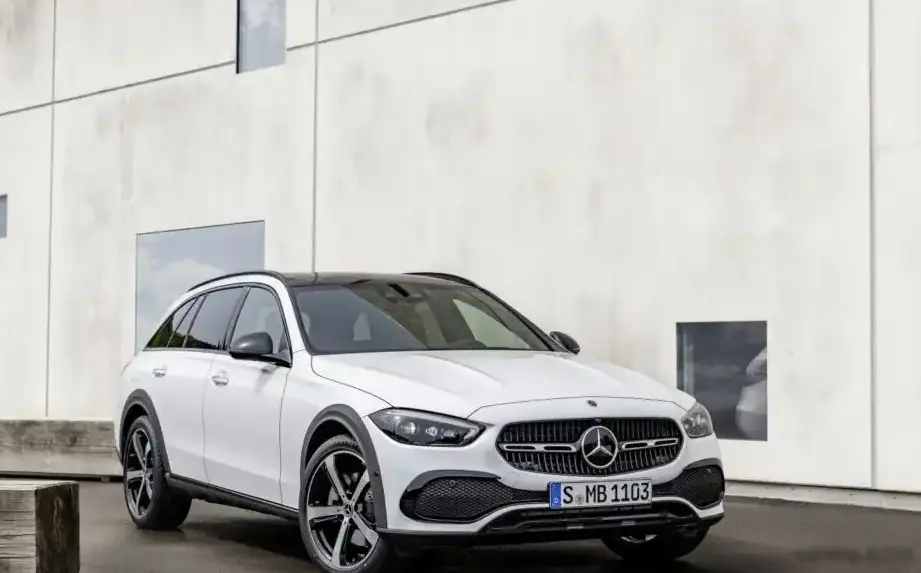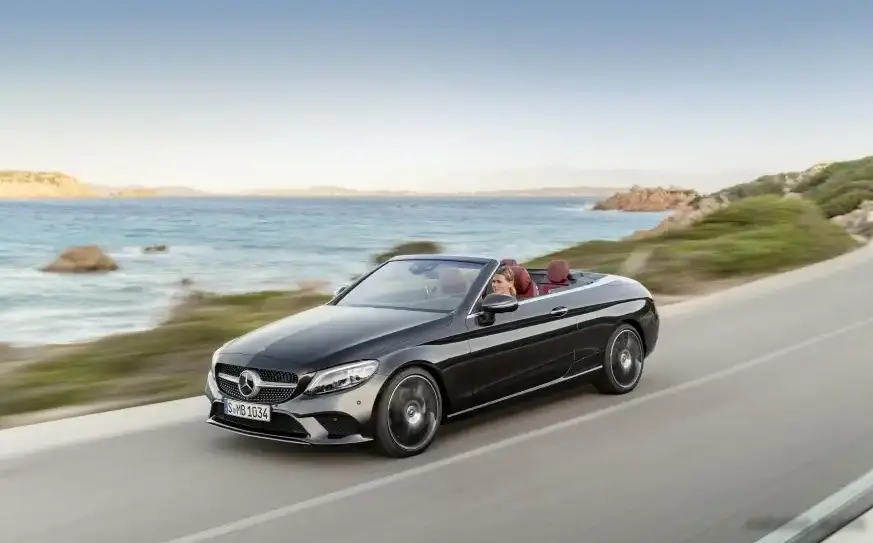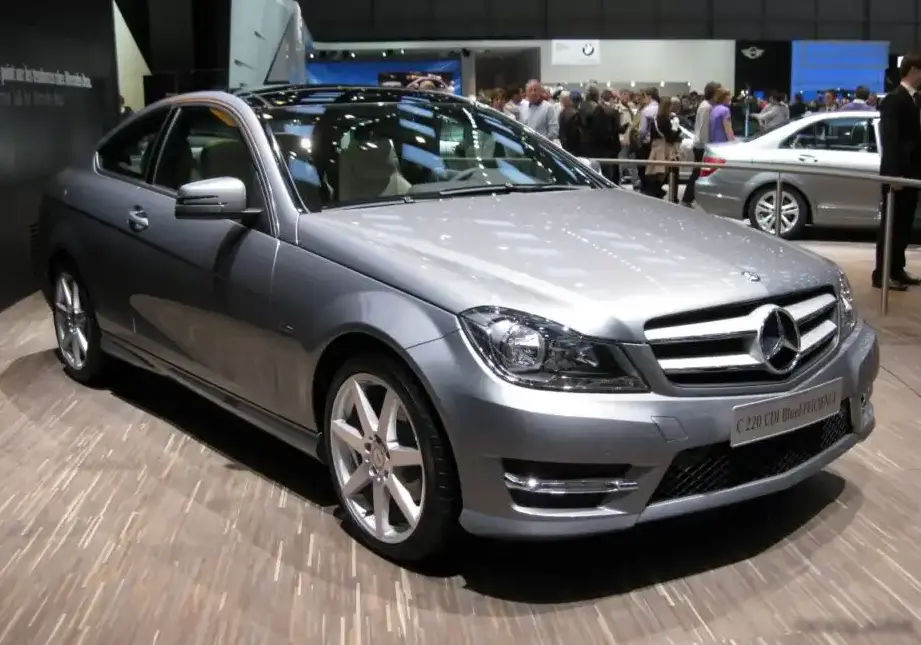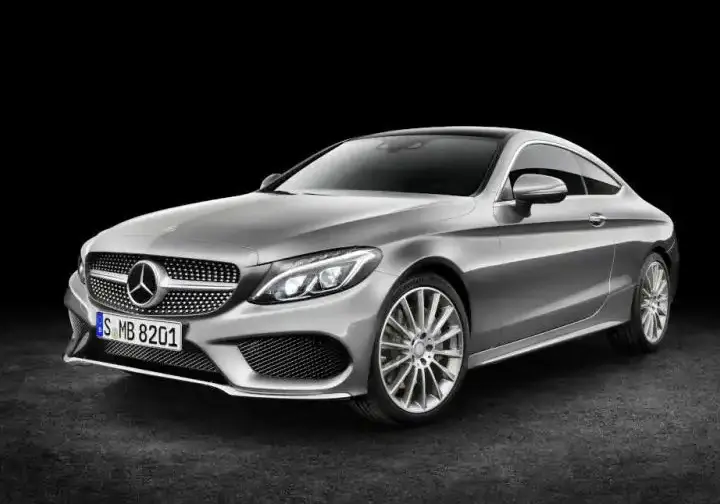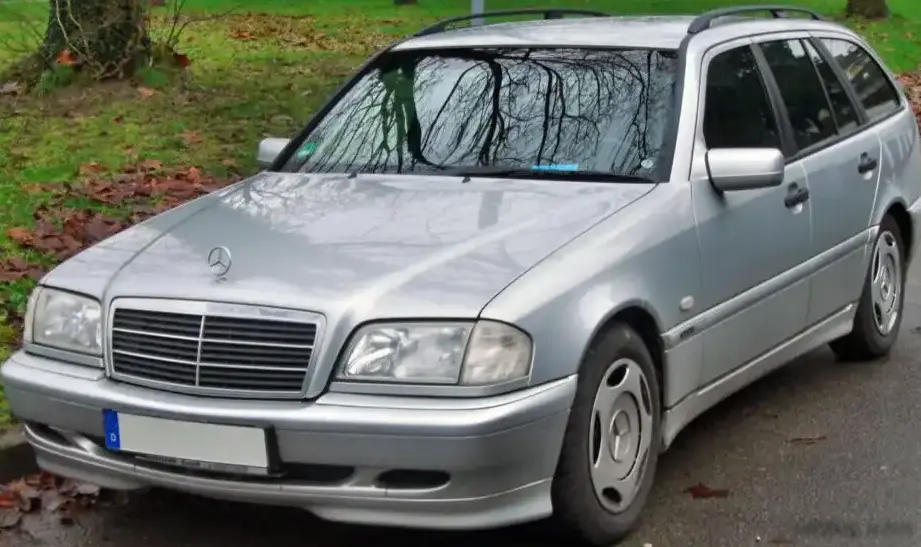
The Mercedes-Benz C-Class T-modell (S202) C 200 Kompressor, produced from 2000 to 2001, represented a compelling blend of practicality and performance within the compact executive estate car segment. This variant, part of the facelifted S202 generation introduced in 1997, offered a supercharged engine and a focus on providing a more accessible entry point into the C-Class range while still delivering the brand’s renowned quality and refinement. It occupied a mid-range position in the T-modell lineup, slotting below the more powerful C 230 Kompressor and C 320 models, but above the naturally aspirated C 180 and C 200 variants.
Technical Specifications
| Brand | Mercedes-Benz |
| Model | C-Class |
| Generation | C-Class T-modell (S202, facelift 1997) |
| Type (Engine) | C 200 Kompressor (163 Hp) |
| Start of production | March, 2000 |
| End of production | January, 2001 |
| Powertrain Architecture | Internal Combustion engine |
| Body type | Station wagon (estate) |
| Seats | 5 |
| Doors | 5 |
| Fuel consumption (urban) | 13.2 l/100 km (17.8 US mpg, 21.4 UK mpg) |
| Fuel consumption (extra urban) | 7.2 l/100 km (32.7 US mpg, 39.2 UK mpg) |
| Fuel consumption (combined) | 9.4 l/100 km (25 US mpg, 30.1 UK mpg) |
| Fuel Type | Petrol (Gasoline) |
| Acceleration 0 – 100 km/h | 9.3 sec |
| Acceleration 0 – 62 mph | 9.3 sec |
| Acceleration 0 – 60 mph | 8.8 sec |
| Maximum speed | 215 km/h (133.59 mph) |
| Weight-to-power ratio | 9 kg/Hp, 110.5 Hp/tonne |
| Weight-to-torque ratio | 6.4 kg/Nm, 155.9 Nm/tonne |
| Power | 163 Hp @ 5300 rpm |
| Power per litre | 81.6 Hp/l |
| Torque | 230 Nm @ 2500-4800 rpm (169.64 lb.-ft. @ 2500-4800 rpm) |
| Engine layout | Front, Longitudinal |
| Engine Model/Code | M 111 E 20 ML EVO / 111.956 |
| Engine displacement | 1998 cm3 (121.93 cu. in.) |
| Number of cylinders | 4 |
| Engine configuration | Inline |
| Cylinder Bore | 89.9 mm (3.54 in.) |
| Piston Stroke | 78.7 mm (3.1 in.) |
| Compression ratio | 9.5:1 |
| Number of valves per cylinder | 4 |
| Fuel injection system | Multi-port manifold injection |
| Engine aspiration | Supercharger, Intercooler |
| Valvetrain | DOHC |
| Engine oil capacity | 5.5 l (5.81 US qt | 4.84 UK qt) |
| Coolant | 8.5 l (8.98 US qt | 7.48 UK qt) |
| Kerb Weight | 1475 kg (3251.82 lbs.) |
| Max. weight | 1955 kg (4310.04 lbs.) |
| Max load | 480 kg (1058.22 lbs.) |
| Fuel tank capacity | 62 l (16.38 US gal | 13.64 UK gal) |
| Length | 4516 mm (177.8 in.) |
| Width | 1723 mm (67.83 in.) |
| Height | 1460 mm (57.48 in.) |
| Wheelbase | 2690 mm (105.91 in.) |
| Front track | 1499 mm (59.02 in.) |
| Rear track | 1464 mm (57.64 in.) |
| Drivetrain Architecture | Rear wheel drive |
| Number of gears | 6 gears, manual transmission |
| Front suspension | Double wishbone |
| Rear suspension | Independent multi-link spring suspension with stabilizer |
| Front brakes | Ventilated discs |
| Rear brakes | Disc |
| Assisting systems | ABS (Anti-lock braking system) |
| Steering type | Cone worm with recirculation balls |
| Power steering | Hydraulic Steering |
| Tires size | 195/65 R15 |
| Wheel rims size | 6.5J x 15 |
INTRODUCTION
The S202 C-Class T-modell, launched in 1996, brought estate car practicality to the popular C-Class range. The 1997 facelift refined the design and introduced updated engines, including the M111 E 20 ML EVO supercharged four-cylinder engine in the C 200 Kompressor. This engine, a key feature of this variant, provided a noticeable performance boost over the naturally aspirated engines available in other C-Class models. The C 200 Kompressor T-modell was aimed at buyers who needed the space and versatility of an estate car but didn’t want to sacrifice performance or the prestige of the Mercedes-Benz badge.
Powertrain & Engine Architecture
The heart of the C 200 Kompressor is the M111 E 20 ML EVO engine, a 1.998-liter inline-four cylinder powerplant. This engine is characterized by its mechanically driven supercharger, which provides instant boost and eliminates turbo lag. The supercharger, an Eaton V-series unit, is belt-driven and delivers approximately 0.8 bar (11.6 psi) of boost pressure. Fuel delivery is handled by a Bosch multi-port fuel injection system, ensuring precise fuel metering for optimal combustion. The engine features a double overhead camshaft (DOHC) valvetrain with four valves per cylinder, contributing to its efficient breathing and power output. The engine code, 111.956, is crucial for identifying specific parts and service information. The C 200 Kompressor was exclusively offered with a 6-speed manual transmission, providing drivers with precise control over the engine’s power delivery. This transmission was chosen to complement the engine’s torque characteristics and enhance the driving experience.
Driving Characteristics
The C 200 Kompressor T-modell offered a noticeably more engaging driving experience than its naturally aspirated counterparts. The supercharger provides strong low-end torque, making it responsive in everyday driving situations. While not a sports car, the 163 horsepower and 230 Nm of torque allowed for brisk acceleration, with a 0-60 mph time of around 8.8 seconds. The 6-speed manual transmission allowed drivers to keep the engine in its optimal power band, maximizing performance. Compared to the C 230 Kompressor, the C 200 Kompressor offered a slightly less aggressive driving experience, but it was more fuel-efficient and generally more affordable to maintain. The manual transmission, while engaging, required more driver involvement than the automatic transmissions offered in other C-Class variants.
Equipment & Trim Levels
The C 200 Kompressor T-modell came standard with a respectable level of equipment, including power windows, central locking, air conditioning, and an audio system. Interior upholstery typically consisted of fabric seats, although leather options were available as an upgrade. The dashboard layout was typical of the S202 generation, featuring a functional and ergonomically designed interior. Optional extras included a sunroof, upgraded audio systems, heated seats, and automatic climate control. The trim level was generally considered mid-range, offering a good balance of features and affordability. The estate body style itself added to the practicality, with a spacious cargo area that could be expanded by folding down the rear seats.
Chassis & Braking
The S202 C-Class T-modell utilized a robust chassis with a double wishbone front suspension and an independent multi-link rear suspension. This suspension setup provided a comfortable ride while maintaining good handling characteristics. The C 200 Kompressor was equipped with ventilated disc brakes at the front and solid disc brakes at the rear, providing adequate stopping power for its weight and performance. Anti-lock braking system (ABS) was standard, enhancing safety and control during emergency braking situations. The steering system was a cone worm with recirculation balls, offering a direct and responsive feel.
Market Reception & Comparison
The C 200 Kompressor T-modell was generally well-received by automotive critics. It was praised for its strong engine performance, comfortable ride, and practical estate car body style. Compared to the naturally aspirated C 200, the Kompressor version offered a significant performance upgrade without the higher price tag of the C 230 Kompressor. Fuel economy was respectable for a supercharged engine, averaging around 25 mpg in combined driving. Reliability was generally good, although the supercharger did require periodic maintenance. The C 200 Kompressor offered a compelling alternative to rivals such as the BMW 3 Series Touring and the Audi A4 Avant.
Legacy
The M111 engine family, including the M111 E 20 ML EVO found in the C 200 Kompressor, is known for its durability and relatively straightforward maintenance. While not without its quirks, the engine has proven to be reliable over the long term. Today, the S202 C-Class T-modell C 200 Kompressor is a sought-after classic car, particularly among Mercedes-Benz enthusiasts. Well-maintained examples command reasonable prices in the used car market. The combination of practicality, performance, and the prestige of the Mercedes-Benz brand ensures that this variant will continue to be appreciated for years to come.