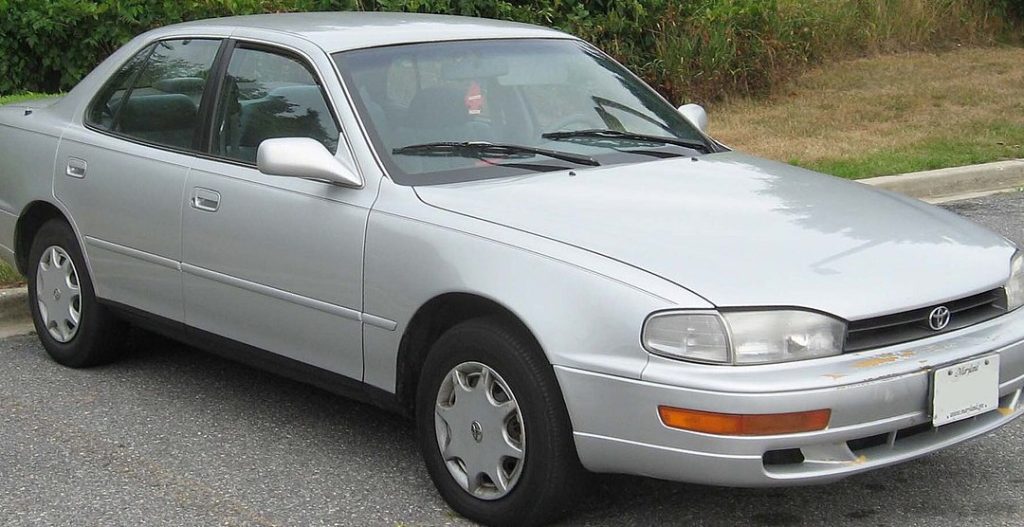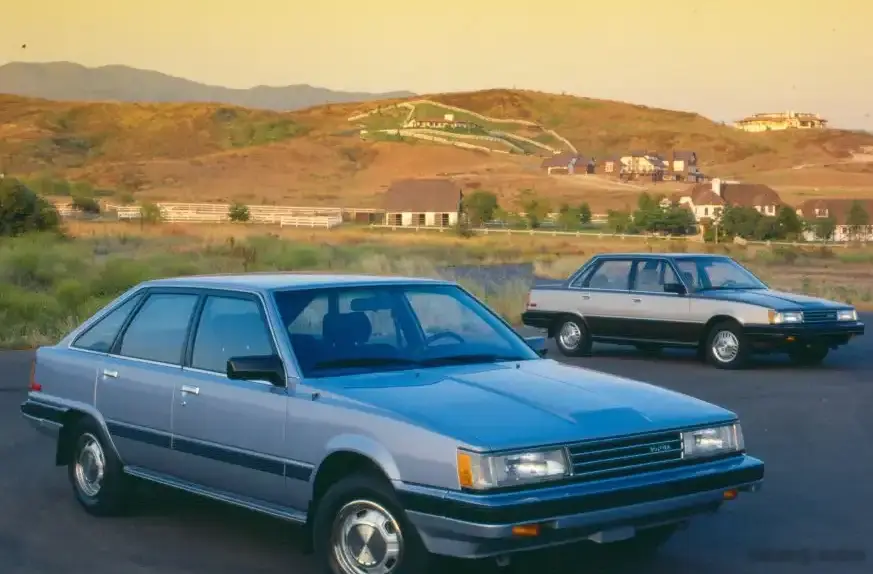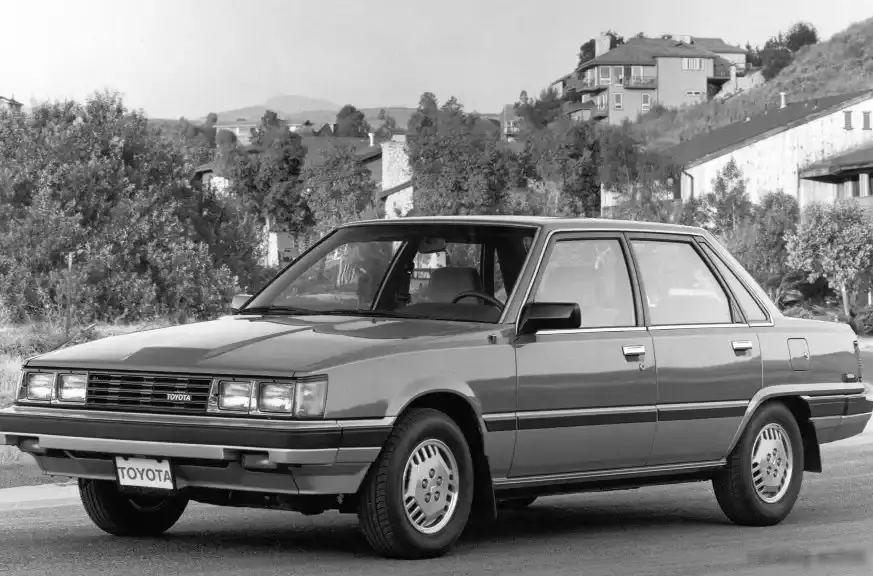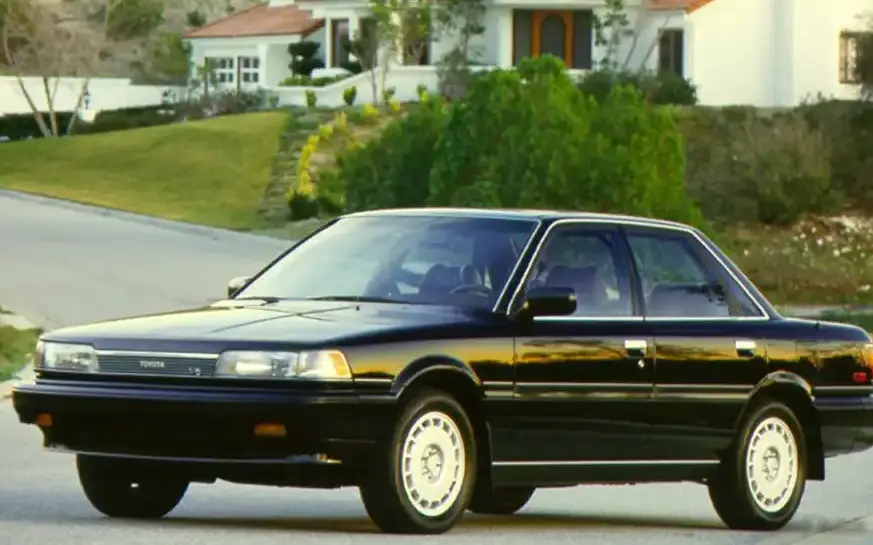
The Toyota Camry II (V20) 2.0 GLi 4×4, produced between 1987 and 1991, represented a significant step forward for Toyota’s mid-size sedan. Falling within the second generation of the Camry, designated the V20 series, this variant was notable for offering all-wheel drive – a relatively uncommon feature in this class of vehicle at the time. It occupied a mid-to-upper position within the V20 lineup, appealing to buyers seeking enhanced traction and a more refined driving experience. The V20 Camry was designed to build upon the success of the first generation, offering increased interior space, improved comfort, and a more modern aesthetic. This generation Camry was sold primarily in Japan, North America, Australia, and parts of Europe.
Technical Specifications
| Brand | Toyota |
| Model | Camry |
| Generation | Camry II (V20) |
| Type | 2.0 GLi (128 Hp) 4×4 |
| Start of production | 1987 |
| End of production | 1991 |
| Powertrain Architecture | Internal Combustion engine |
| Body type | Sedan |
| Seats | 5 |
| Doors | 4 |
| Fuel Type | Petrol (Gasoline) |
| Acceleration 0 – 100 km/h | 10.1 sec |
| Acceleration 0 – 62 mph | 10.1 sec |
| Acceleration 0 – 60 mph | 9.6 sec |
| Maximum speed | 193 km/h (119.92 mph) |
| Weight-to-power ratio | 11 kg/Hp, 91.1 Hp/tonne |
| Weight-to-torque ratio | 7.8 kg/Nm, 127.4 Nm/tonne |
| Power | 128 Hp @ 5600 rpm |
| Power per litre | 64.1 Hp/l |
| Torque | 179 Nm @ 4400 rpm (132.02 lb.-ft. @ 4400 rpm) |
| Engine layout | Front, Transverse |
| Engine Model/Code | 3S-FE |
| Engine displacement | 1998 cm3 (121.93 cu. in.) |
| Number of cylinders | 4 |
| Engine configuration | Inline |
| Cylinder Bore | 86 mm (3.39 in.) |
| Piston Stroke | 86 mm (3.39 in.) |
| Compression ratio | 9.8:1 |
| Number of valves per cylinder | 4 |
| Fuel injection system | Multi-port manifold injection |
| Engine aspiration | Naturally aspirated engine |
| Engine oil capacity | 3.8 l (4.02 US qt | 3.34 UK qt) |
| Coolant | 6.5 l (6.87 US qt | 5.72 UK qt) |
| Kerb Weight | 1405 kg (3097.49 lbs) |
| Trunk (boot) space – maximum | 370 l (13.07 cu. ft.) |
| Fuel tank capacity | 60 l (15.85 US gal | 13.2 UK gal) |
| Max. roof load | 100 kg (220.46 lbs) |
| Length | 4520 mm (177.95 in.) |
| Width | 1710 mm (67.32 in.) |
| Height | 1400 mm (55.12 in.) |
| Wheelbase | 2600 mm (102.36 in.) |
| Front track | 1475 mm (58.07 in.) |
| Rear (Back) track | 1440 mm (56.69 in.) |
| Drag coefficient (Cd) | 0.38 |
| Drive wheel | All wheel drive (4×4) |
| Number of gears and type of gearbox | 5 gears, manual transmission |
| Front suspension | Independent, type McPherson with coil spring and anti-roll bar |
| Rear suspension | Torsion |
| Front brakes | Ventilated discs |
| Rear brakes | Drum |
| Assisting systems | ABS (Anti-lock braking system) |
| Tires size | 185/70 R14 |
| Wheel rims size | 14 |
Powertrain & Engine Architecture
The 2.0 GLi 4×4 variant was powered by the 3S-FE engine, a 1.998-liter inline-four cylinder gasoline engine. This engine utilized multi-port fuel injection, a significant advancement over earlier carburetor-based systems, contributing to improved fuel efficiency and smoother power delivery. The 3S-FE featured a single overhead camshaft (SOHC) valvetrain with four valves per cylinder. The engine produced 128 horsepower at 5,600 rpm and 179 Nm (132 lb-ft) of torque at 4,400 rpm. The engine’s all-aluminum construction helped to reduce weight, contributing to the car’s overall efficiency. The transmission was a five-speed manual, chosen to complement the engine’s power output and provide a more engaging driving experience. The 4×4 system was a viscous coupling system, providing automatic engagement of the rear wheels when slippage was detected at the front.
Driving Characteristics
The 2.0 GLi 4×4 offered a balanced driving experience. While not a performance-oriented model, the 128 hp engine provided adequate power for everyday driving and highway cruising. The five-speed manual transmission allowed drivers to effectively utilize the engine’s torque band. Acceleration to 60 mph was achieved in approximately 9.6 seconds, and the car had a top speed of around 119.92 mph. The all-wheel drive system significantly enhanced traction, particularly in inclement weather conditions, making it a more confident vehicle to drive in rain or snow. Compared to the base model Camry, the 2.0 GLi 4×4 offered a more secure feel and improved handling. Compared to higher-output versions, such as those found in some export markets, this variant prioritized fuel economy and reliability over outright performance.
Equipment & Trim Levels
The 2.0 GLi trim level offered a good level of standard equipment. Interior features typically included cloth upholstery, power steering, and an AM/FM stereo. Optional extras could include air conditioning, power windows, and upgraded sound systems. The dashboard layout was functional and straightforward, prioritizing ease of use. The GLi trim generally featured a more comprehensive instrument cluster than the base models. Exterior features included body-colored bumpers and side moldings. The 4×4 system added to the vehicle’s appeal, positioning it as a more versatile and capable option within the Camry range.
Chassis & Braking
The V20 Camry utilized an independent McPherson strut suspension in the front, providing a comfortable ride and responsive handling. The rear suspension employed a torsion beam setup, which was a cost-effective and space-efficient solution. The 2.0 GLi 4×4 was equipped with ventilated disc brakes in the front and drum brakes in the rear. Anti-lock brakes (ABS) were available as an option, enhancing safety by preventing wheel lockup during hard braking. The chassis was designed to provide a good balance between ride comfort and handling stability. The all-wheel drive system added weight to the vehicle, necessitating a slightly stiffer suspension setup to maintain control.
Market Reception & Comparison
The Toyota Camry II (V20) 2.0 GLi 4×4 was generally well-received by automotive critics. It was praised for its comfortable ride, spacious interior, and reliable powertrain. The all-wheel drive system was seen as a valuable feature, particularly in regions with harsh winter weather. Fuel economy was considered to be reasonable for a vehicle of its size and class. Compared to other trims in the Camry lineup, the 2.0 GLi 4×4 offered a unique combination of features and capabilities. It was more expensive than the base models but provided a more refined and capable driving experience. Reliability was a key strength, with the 3S-FE engine proving to be durable and long-lasting.
Legacy
The Toyota Camry II (V20) 2.0 GLi 4×4 has proven to be a remarkably durable vehicle. Many examples are still on the road today, a testament to Toyota’s engineering and build quality. The 3S-FE engine is known for its reliability and relatively low maintenance costs. In the used car market, these Camrys are often sought after by buyers looking for a dependable and affordable vehicle. While not a collector’s item, the 2.0 GLi 4×4 holds a special place in the history of the Camry, representing a period of innovation and refinement for Toyota’s popular mid-size sedan. The introduction of all-wheel drive to the Camry lineup demonstrated Toyota’s willingness to adapt to changing market demands and offer customers a wider range of options.