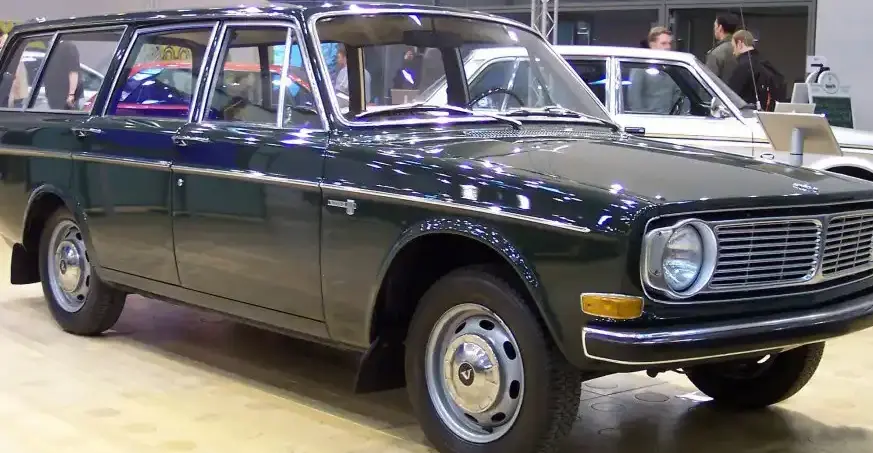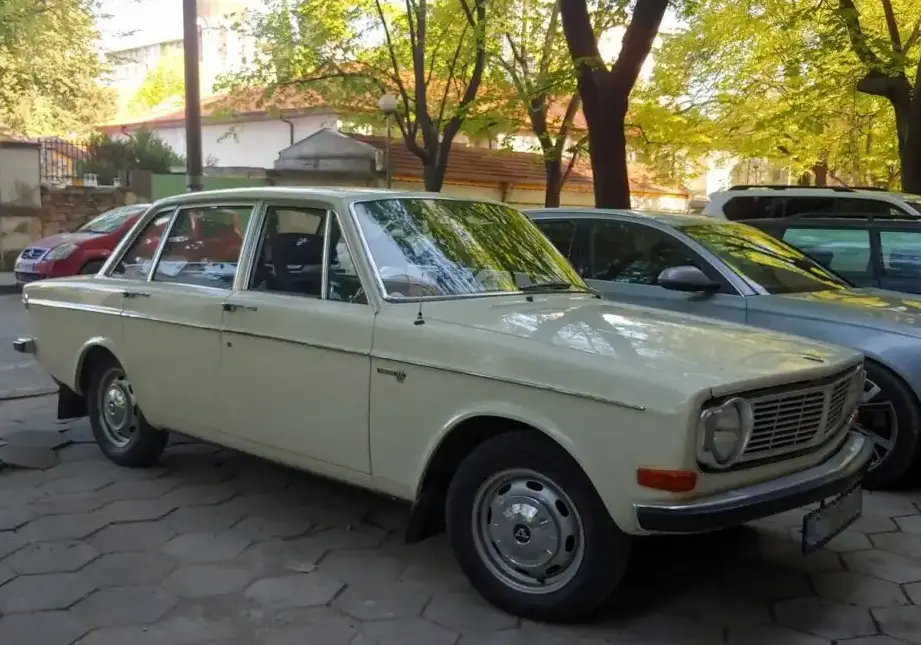
The Volvo 140 series, encompassing the 142 and 144 models, represented a significant step forward for the Swedish automaker in the mid-1960s. Produced from 1966 to 1974, the 140 was Volvo’s first foray into a more mainstream, internationally-focused vehicle. The 1.8-liter (75 horsepower) variant, specifically those produced between 1966 and 1968, served as the entry point to the 140 range, offering a blend of practicality, durability, and Volvo’s renowned safety features. This model was crucial in establishing Volvo’s reputation for building robust and reliable family cars, particularly in markets outside of Sweden.
Technical Specifications
| Brand | Volvo |
| Model | 140 |
| Generation | 140 (142, 144) |
| Type (Engine) | 1.8 (75 Hp) |
| Start of Production | 1966 |
| End of Production | 1968 |
| Powertrain Architecture | Internal Combustion Engine |
| Body Type | Sedan |
| Fuel Type | Petrol (Gasoline) |
| Power | 75 Hp |
| Engine Model/Code | B18A |
| Engine Aspiration | Naturally Aspirated |
| Engine Oil Capacity | 3.8 l (4.02 US qt | 3.34 UK qt) |
| Coolant Capacity | 10 l (10.57 US qt | 8.8 UK qt) |
| Fuel Tank Capacity | 58 l (15.32 US gal | 12.76 UK gal) |
Powertrain & Engine Architecture
The heart of the 140 1.8 was the B18A engine, a 1.8-liter (1778 cc) inline-four cylinder. This engine was a development of Volvo’s earlier B16 and B18 units, known for their over-engineered robustness. The B18A featured a cast iron block and cylinder head, with a single overhead camshaft operating pushrods to actuate the valves. Fuel delivery was handled by a Solex carburetor, a common setup for the time. The engine produced 75 horsepower at 5,200 rpm and 97 lb-ft of torque at 3,000 rpm. This particular variant was typically paired with a three-speed automatic transmission with a floor-mounted selector, although a four-speed manual was also available. The automatic transmission, while offering convenience, was not known for its performance and was geared towards smooth, comfortable cruising rather than spirited driving.
Driving Characteristics
The 1.8-liter automatic 140 offered a decidedly relaxed driving experience. Acceleration was modest, taking around 15 seconds to reach 60 mph. The automatic transmission’s gear ratios were optimized for fuel economy and ease of use, resulting in a noticeable lack of urgency compared to the manual transmission versions or the later, more powerful 2.0-liter models. However, the engine’s torque characteristics meant it was reasonably capable of handling highway speeds and moderate inclines. The steering was relatively heavy, typical of cars from this era, but provided good feedback. The suspension, consisting of independent front suspension with coil springs and a solid rear axle with leaf springs, offered a comfortable ride, although it could feel somewhat wallowy in corners. The automatic transmission, while convenient, did detract from overall responsiveness, making the car feel somewhat sluggish during overtaking maneuvers.
Equipment & Trim Levels
The 1.8-liter automatic 140 typically represented the base trim level. Standard features included cloth upholstery, basic instrumentation (speedometer, fuel gauge, temperature gauge), and a heater. Power steering and power brakes were generally not standard on this base model, though they were available as optional extras. The interior was functional and durable, prioritizing practicality over luxury. Optional extras included a radio, whitewall tires, and upgraded interior trim. The 142 (two-door) and 144 (four-door) models offered similar levels of equipment, with the 144 being the more popular choice due to its increased practicality. The dashboard layout was simple and straightforward, with all controls within easy reach of the driver.
Chassis & Braking
The Volvo 140 series featured a robust chassis designed with safety in mind. The body structure incorporated crumple zones to absorb impact energy in the event of a collision. The suspension system, as mentioned previously, consisted of independent front suspension and a solid rear axle. Braking was initially accomplished with drum brakes on all four wheels. However, disc brakes on the front wheels became standard equipment in later years, improving stopping performance. The 1.8-liter models typically had smaller diameter tires compared to the higher-performance variants, contributing to a slightly softer ride but also reducing grip. A stabilizer bar was fitted to the front suspension to reduce body roll during cornering.
Market Reception & Comparison
The 1.8-liter automatic 140 was generally well-received as a practical and reliable family car. Critics praised its build quality, safety features, and comfortable ride. However, the engine’s modest power output and the automatic transmission’s lack of responsiveness were often cited as drawbacks. Compared to the more powerful 2.0-liter versions, the 1.8 felt noticeably slower. The 1.9 TDI and VR6 engines that came later in the 140’s lifespan offered significantly more performance. Fuel economy was reasonable for the time, averaging around 20-25 mpg. The 1.8-liter automatic was primarily targeted at buyers who prioritized comfort and convenience over performance, such as families and older drivers. It was a sensible choice for those who needed a dependable and safe car for everyday use.
Legacy
The Volvo 140 series, including the 1.8-liter variant, established Volvo as a leader in automotive safety and reliability. The B18A engine proved to be exceptionally durable, with many examples still running today. The 1.8-liter automatic, while not the most exciting version of the 140, remains a popular choice among classic car enthusiasts due to its simplicity and affordability. Parts availability is generally good, and the car is relatively easy to maintain. In the used car market, these models are valued for their originality and condition. While not commanding the same prices as the higher-performance variants, a well-maintained 1.8-liter automatic 140 represents a solid investment for those seeking a classic Volvo with a strong heritage.