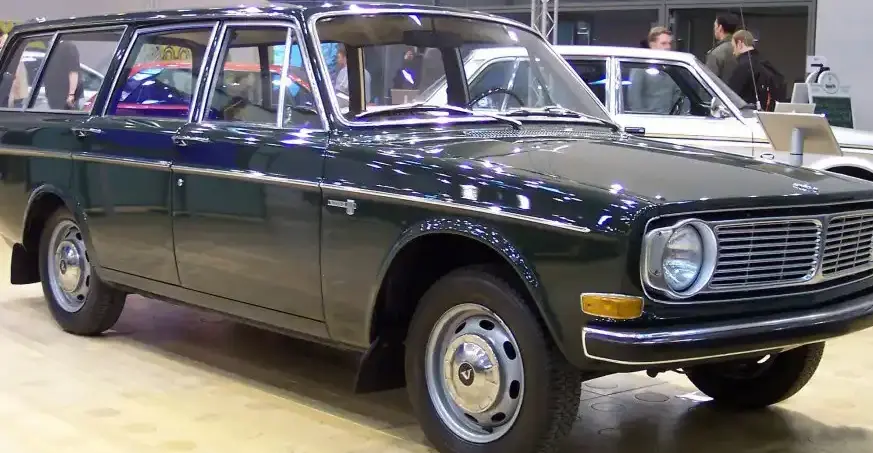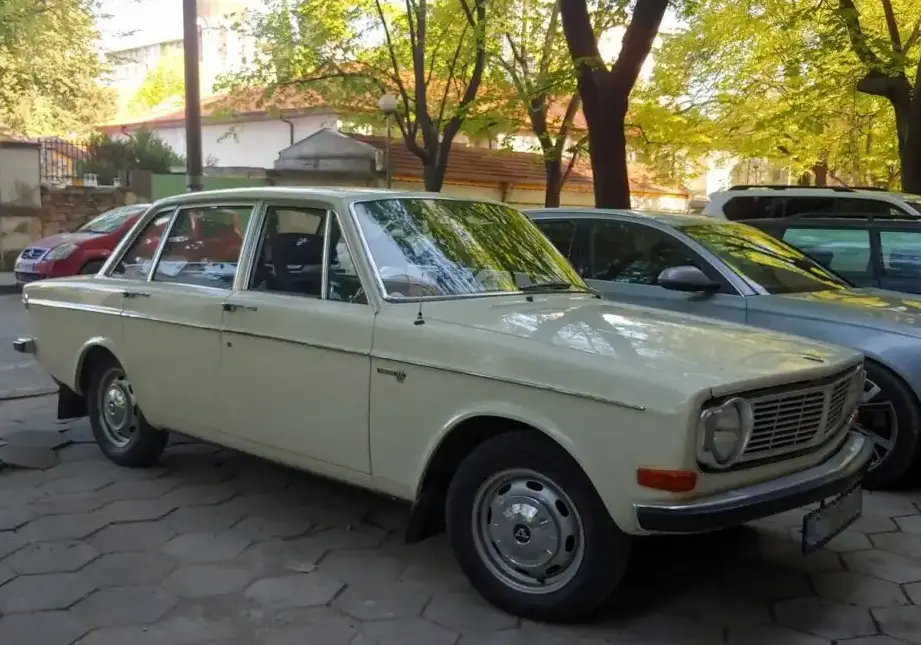
The Volvo 140 series, encompassing the 142, 144, and 145 models, represented a significant step forward for Volvo in the mid-1960s. Produced from 1966 to 1974, it was Volvo’s first attempt at a more mainstream, mass-market vehicle while still retaining the company’s renowned commitment to safety. The 1.8 S variant, powered by the B18B engine producing 101 horsepower, was a mainstay of the lineup from 1967 to 1972. It served as a practical and reliable option for families and commuters, offering a balance between performance and economy. This model occupied a middle ground within the 140 range, positioned above the base models and below the more powerful 164.
Technical Specifications
| Brand | Volvo |
| Model | 140 |
| Generation | 140 (142, 144) |
| Type (Engine) | 1.8 S (101 Hp) |
| Start of Production | 1967 |
| End of Production | 1972 |
| Powertrain Architecture | Internal Combustion Engine |
| Body Type | Sedan |
| Fuel Type | Petrol (Gasoline) |
| Power | 101 Hp |
| Engine Model/Code | B18B |
| Engine Aspiration | Naturally Aspirated |
| Engine Oil Capacity | 3.8 l (4.02 US qt | 3.34 UK qt) |
| Coolant Capacity | 10 l (10.57 US qt | 8.8 UK qt) |
| Fuel Tank Capacity | 58 l (15.32 US gal | 12.76 UK gal) |
Powertrain & Engine Architecture
The heart of the 1.8 S was the Volvo B18B engine, an 1.8-liter (1778 cc) inline-four cylinder. This engine was a development of the earlier B18A, featuring a slightly increased compression ratio and revised carburetor tuning to achieve the 101 horsepower output. The B18B utilized a cast iron block and cylinder head, a robust design known for its durability. It employed a single overhead camshaft (SOHC) valvetrain, operating two valves per cylinder. Fuel delivery was managed by a Zenith-Stromberg carburetor, a common setup for the era. The engine’s relatively low compression ratio (8.5:1) allowed it to run reliably on the available grades of gasoline at the time.
The 1.8 S was typically paired with a three-speed automatic transmission with overdrive, although a four-speed manual transmission was also available. The automatic transmission, while providing ease of use, was not known for its particularly quick shifts or sporty feel. It was geared more towards comfortable cruising and fuel efficiency. The overdrive function, activated manually, allowed for lower engine speeds at highway speeds, further improving fuel economy and reducing engine wear.
Driving Characteristics
The Volvo 140 1.8 S with the automatic transmission offered a comfortable, if not particularly exhilarating, driving experience. Acceleration was adequate for everyday driving, with a 0-60 mph time estimated around 13-14 seconds. The automatic transmission’s gear ratios were optimized for smooth cruising, but downshifts could be slow and deliberate. Compared to the manual transmission versions, the automatic 1.8 S felt noticeably less responsive. The higher-output 164 models, with their larger engines and more sophisticated carburation, offered significantly more performance. However, the 1.8 S provided a good balance of power and fuel economy, making it a practical choice for many buyers. The car’s steering was relatively heavy, typical of the era, but provided good feedback. The suspension, while not particularly sporty, offered a comfortable ride, absorbing bumps and imperfections in the road well.
Equipment & Trim Levels
The 1.8 S trim level offered a reasonable level of standard equipment for the late 1960s and early 1970s. Standard features typically included cloth upholstery, a heater, and basic instrumentation. The interior was functional and well-built, reflecting Volvo’s reputation for quality. Optional extras included a radio, whitewall tires, and a vinyl roof. The 144 model, the four-door sedan, was generally considered the more practical choice, while the 142, the two-door coupe, appealed to buyers seeking a slightly sportier appearance. Interior trim options were limited, with most 1.8 S models featuring a fairly conservative color scheme.
Chassis & Braking
The Volvo 140 series utilized a robust body-on-frame construction, contributing to its inherent strength and safety. The suspension consisted of independent front suspension with coil springs and a solid rear axle with leaf springs. The braking system was initially equipped with drum brakes on all four wheels, but later models (typically from 1969 onwards) received front disc brakes, providing improved stopping power. The 1.8 S models generally featured smaller diameter tires compared to the higher-performance 164 variants. Stabilizer bars were fitted to both the front and rear suspension, helping to reduce body roll during cornering. The steering was a recirculating ball system, providing a relatively direct feel.
Market Reception & Comparison
The Volvo 140 1.8 S was generally well-received by automotive critics and buyers alike. It was praised for its safety, reliability, and build quality. However, the automatic transmission was sometimes criticized for its lack of responsiveness. Compared to other cars in its class, such as the Ford Cortina or the Opel Rekord, the Volvo 140 offered a more refined and sophisticated driving experience. Fuel economy was reasonable for the time, although not exceptional. The 1.8 S offered a compelling alternative to the more powerful 164, appealing to buyers who prioritized practicality and economy over outright performance. The manual transmission versions of the 1.8 S were generally considered to be more enjoyable to drive, offering better acceleration and fuel economy.
Legacy
The Volvo 140 series, and the 1.8 S variant in particular, has earned a reputation for exceptional durability and longevity. Many examples are still on the road today, a testament to the quality of their construction. The B18B engine is known for its robustness and relatively simple maintenance requirements. While parts availability can be a challenge, a dedicated community of Volvo enthusiasts ensures that spare parts are still obtainable. The 140 series played a crucial role in establishing Volvo’s reputation for safety and quality, paving the way for the company’s future success. In the used car market, well-maintained 1.8 S models are sought after by collectors and enthusiasts, representing a classic example of Swedish automotive engineering. The combination of a reliable engine, a comfortable ride, and a timeless design ensures that the Volvo 140 1.8 S remains a popular and respected vehicle.