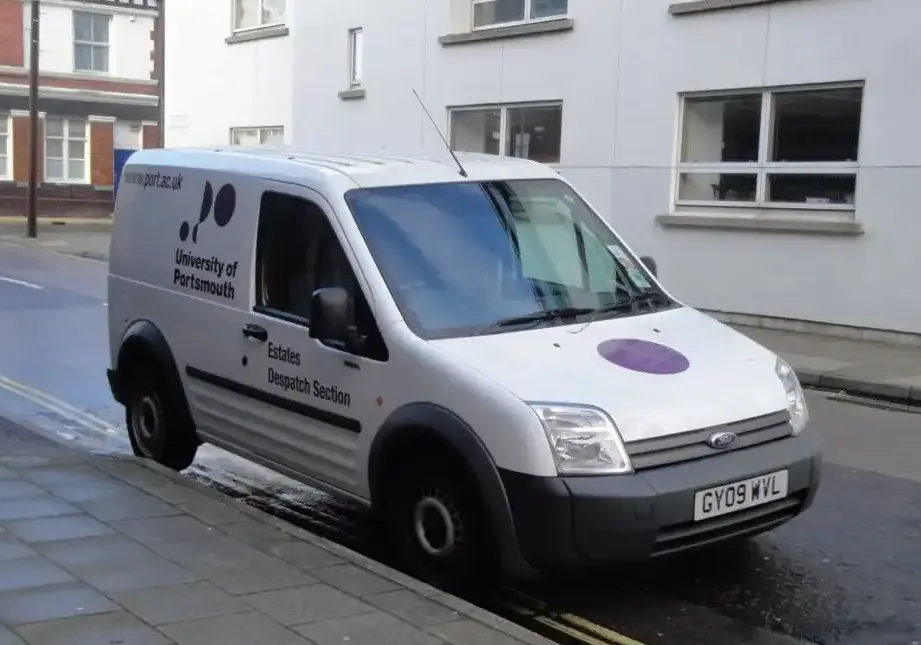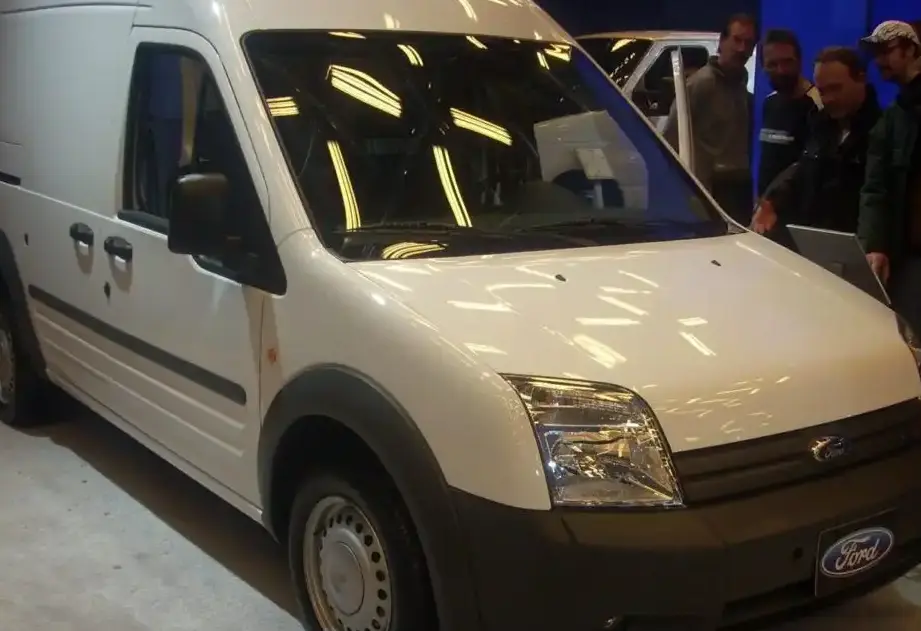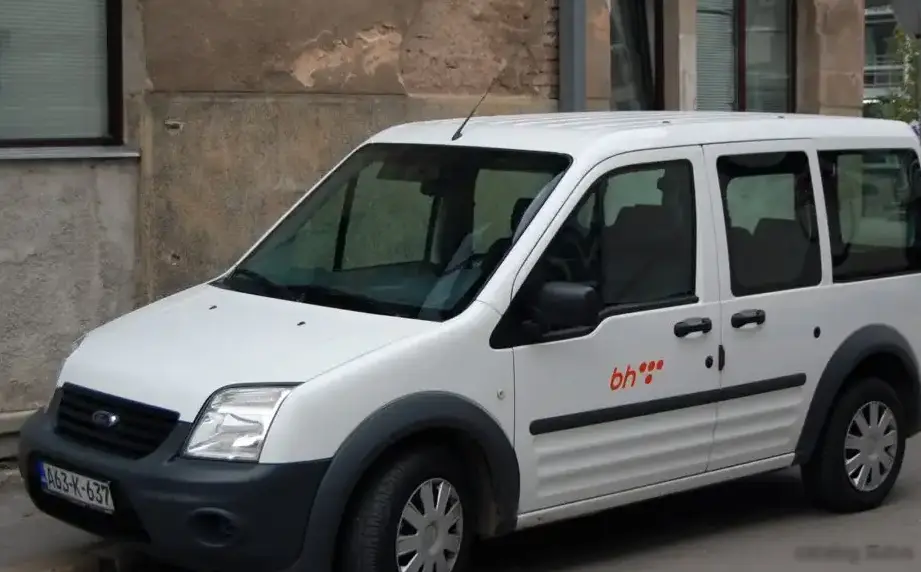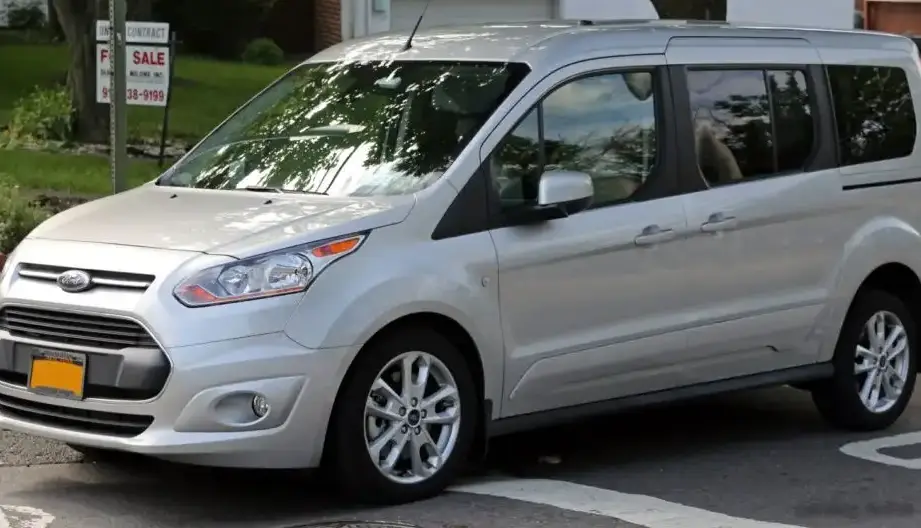
The Ford Transit Connect II Wagon L2 1.6 TDCi (95 Hp) Start-Stop, produced between 2013 and 2016, represents a key variant within the second generation of Ford’s compact commercial and passenger vehicle. Positioned as an entry-level offering in many European markets, and increasingly popular as a versatile utility vehicle in North America, this model combined a fuel-efficient diesel engine with a five-speed manual transmission. It was designed to appeal to buyers seeking a practical, economical, and relatively affordable vehicle for both commercial and family use, offering a compelling alternative to larger, more expensive vans and SUVs. The L2 designation indicates the long wheelbase version, providing increased cargo capacity compared to the standard L1 model. This variant played a significant role in expanding the Transit Connect’s appeal beyond purely commercial applications.
Technical Specifications
| Brand | Ford |
| Model | Transit Connect |
| Generation | Transit Connect II Wagon L2 |
| Type (Engine) | 1.6 TDCi (95 Hp) Start-Stop |
| Start of production | 2013 |
| End of production | 2016 |
| Powertrain Architecture | Internal Combustion engine |
| Body type | Minivan |
| Seats | 5-7 |
| Doors | 5 |
| Fuel consumption (urban) | 4.6-5 l/100 km (51.1 – 47 US mpg) |
| Fuel consumption (extra urban) | 3.7-4.5 l/100 km (63.6 – 52.3 US mpg) |
| Fuel consumption (combined) | 4.1-4.6 l/100 km (57.4 – 51.1 US mpg) |
| CO2 emissions | 119-121 g/km |
| Fuel Type | Diesel |
| Emission standard | Euro 5 |
| Weight-to-power ratio | 15.8 kg/Hp |
| Weight-to-torque ratio | 6.5 kg/Nm |
| Power | 95 Hp @ 3600 rpm |
| Torque | 230 Nm @ 1500-2000 rpm (169.64 lb.-ft.) |
| Engine layout | Front, Transverse |
| Engine Model/Code | Duratorq / TZGA, TZGB |
| Engine displacement | 1560 cm3 (95.2 cu. in.) |
| Number of cylinders | 4 |
| Engine configuration | Inline |
| Cylinder Bore | 75 mm (2.95 in.) |
| Piston Stroke | 88.3 mm (3.48 in.) |
| Compression ratio | 16:1 |
| Number of valves per cylinder | 2 |
| Fuel injection system | Diesel Commonrail |
| Engine aspiration | Turbocharger, Intercooler |
| Valvetrain | SOHC |
| Engine oil capacity | 6.2 l (6.55 US qt | 5.46 UK qt) |
| Coolant capacity | 7.3 l (7.71 US qt | 6.42 UK qt) |
| Kerb Weight | 1500-1564 kg (3306.93 – 3448.03 lbs.) |
| Max. weight | 2270-2300 kg (5004.49 – 5070.63 lbs.) |
| Max load | 736-770 kg (1622.6 – 1697.56 lbs.) |
| Trunk (boot) space (min) | 322 l (11.37 cu. ft.) |
| Trunk (boot) space (max) | 2761 l (97.5 cu. ft.) |
| Fuel tank capacity | 60 l (15.85 US gal | 13.2 UK gal) |
| Permitted trailer load (braked) | 1200 kg (2645.55 lbs.) |
| Permitted trailer load (unbraked) | 750 kg (1653.47 lbs.) |
| Length | 4818 mm (189.69 in.) |
| Width | 1835 mm (72.24 in.) |
| Width including mirrors | 2137 mm (84.13 in.) |
| Height | 1840-1845 mm (72.44 – 72.64 in.) |
| Wheelbase | 3062 mm (120.55 in.) |
| Front track | 1568 mm (61.73 in.) |
| Rear track | 1584 mm (62.36 in.) |
| Front overhang | 878 mm (34.57 in.) |
| Rear overhang | 878 mm (34.57 in.) |
| Ride height | 163 mm (6.42 in.) |
| Turning circle | 12.5 m (41.01 ft.) |
| Drivetrain | Front wheel drive |
| Number of gears | 5 |
| Gearbox type | Manual transmission |
| Front suspension | Independent, McPherson with coil spring and anti-roll bar |
| Rear suspension | Coil spring, Torsion |
| Front brakes | Ventilated discs, 320×25 mm |
| Rear brakes | Disc, 280×11 mm |
| Assisting systems | ABS |
| Steering type | Steering rack and pinion |
| Power steering | Electric |
| Tires size | 205/60 R16 |
| Wheel rims size | 6.5J x 16 |
Powertrain & Engine Architecture
The heart of this Transit Connect variant is the 1.6-liter Duratorq TDCi diesel engine, specifically the TZGA or TZGB engine code depending on the exact specification and market. This engine is a four-cylinder, inline configuration, utilizing a turbocharger with intercooling to boost power and efficiency. The Duratorq engine family was known for its robust construction and relatively simple design, contributing to its longevity. Fuel is delivered via a common-rail direct injection system, allowing for precise fuel metering and optimized combustion. The engine features a single overhead camshaft (SOHC) valvetrain with two valves per cylinder. The Start-Stop system, a key feature for reducing emissions and improving fuel economy, automatically shuts off the engine when the vehicle is stationary (e.g., at traffic lights) and restarts it instantly when the driver depresses the clutch pedal. The engine is paired with a five-speed manual transmission, chosen for its affordability and efficiency. The transmission’s gear ratios are tuned for maximizing fuel economy and providing adequate acceleration for everyday driving.
Driving Characteristics
The 95 horsepower output and 230 Nm (169.64 lb-ft) of torque, combined with the five-speed manual transmission, deliver a driving experience focused on practicality and economy rather than outright performance. Acceleration is adequate for most situations, but not particularly brisk. The engine provides a usable amount of torque at low to mid-range RPMs, making it suitable for carrying loads or navigating urban traffic. Compared to higher-output versions of the Transit Connect, such as those equipped with the 1.6-liter EcoBoost petrol engine, this diesel variant offers significantly better fuel economy but sacrifices some performance. The manual transmission allows for greater driver control and engagement, but requires more effort than an automatic. The gear ratios are spaced to prioritize fuel efficiency, meaning the engine may need to be revved slightly higher to achieve quick acceleration.
Equipment & Trim Levels
The 1.6 TDCi (95 Hp) Start-Stop variant typically served as a base or mid-range trim level. Standard equipment generally included air conditioning, power windows, central locking, and a basic audio system. Safety features such as ABS (Anti-lock Braking System) and driver/passenger airbags were also standard. Interior upholstery was typically cloth, with a durable and practical design. Optional extras could include alloy wheels, upgraded audio systems, parking sensors, and a trip computer. Higher trim levels added features like cruise control, automatic headlights, and rain-sensing wipers.
Chassis & Braking
The Transit Connect II Wagon L2 utilizes an independent McPherson strut suspension at the front, providing a comfortable ride and good handling characteristics. The rear suspension employs a coil spring and torsion beam setup, which is cost-effective and provides adequate stability for carrying loads. Braking duties are handled by ventilated discs at the front and solid discs at the rear. The ABS system helps to prevent wheel lockup during hard braking, enhancing safety. The steering is rack and pinion with electric power assistance, offering a responsive and precise feel.
Market Reception & Comparison
The Ford Transit Connect II Wagon L2 1.6 TDCi (95 Hp) Start-Stop was generally well-received by critics for its fuel efficiency, practicality, and affordability. It was often praised as a versatile vehicle suitable for a wide range of uses. Compared to other trims in the lineup, this variant offered the best fuel economy but the lowest performance. The petrol-powered EcoBoost engines provided more power but at the expense of fuel efficiency. The diesel engine’s reliability was generally good, although maintenance costs could be higher than those of petrol engines due to the more complex fuel injection system and particulate filter.
Legacy
The 1.6 TDCi engine, while not known for being exceptionally powerful, proved to be a reliable and durable powertrain when properly maintained. The Transit Connect II, in general, has established a reputation for being a dependable and practical vehicle. On the used car market, this variant represents a good value proposition for buyers seeking an economical and versatile vehicle. However, potential buyers should be aware of the potential maintenance costs associated with the diesel particulate filter (DPF) and ensure that the vehicle has been regularly serviced. The combination of fuel efficiency, practicality, and affordability has ensured that the Transit Connect II remains a popular choice in the used vehicle market.