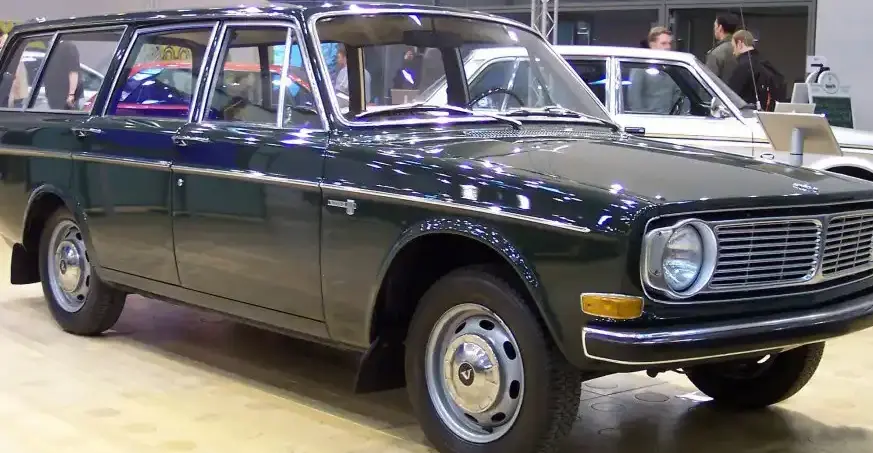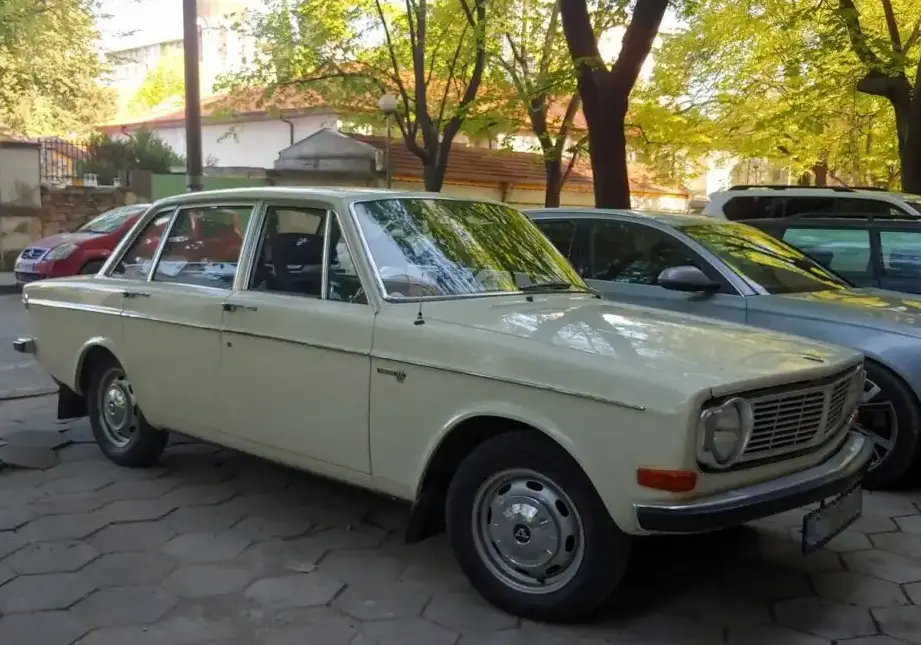
The Volvo 140 series, encompassing the 142 and 144 models, represented a significant step forward for the Swedish automaker in the early 1970s. Produced from 1966 to 1975, the 140 aimed to modernize Volvo’s lineup and offer a safer, more comfortable, and more practical vehicle than its predecessors. The 2.0-liter (124 hp) variant, powered by the B20E engine, was a mainstay of the range, particularly from 1970 onwards, offering a balance of performance and economy. This model occupied a mid-range position within the 140 series, sitting above the base 1.6-liter engine and below the more powerful 144S variants.
Technical Specifications
| Brand | Volvo |
| Model | 140 (142, 144) |
| Generation | 140 (142, 144) |
| Type (Engine) | 2.0 (124 Hp) |
| Start of Production | 1970 |
| End of Production | 1975 |
| Powertrain Architecture | Internal Combustion Engine |
| Body Type | Sedan |
| Fuel Type | Petrol (Gasoline) |
| Power | 124 Hp |
| Engine Model/Code | B20E |
| Engine Aspiration | Naturally Aspirated |
| Engine Oil Capacity | 3.8 l (4.02 US qt | 3.34 UK qt) |
| Coolant Capacity | 10 l (10.57 US qt | 8.8 UK qt) |
| Fuel Tank Capacity | 58 l (15.32 US gal | 12.76 UK gal) |
Powertrain & Engine Architecture
The heart of the Volvo 140 2.0 was the B20E engine, a 1,986 cc (121.1 cu in) inline-four cylinder powerplant. This engine was an evolution of Volvo’s earlier B18 and B20 designs, known for their robustness and longevity. The B20E featured a cast iron block and cylinder head, with a single overhead camshaft operating two valves per cylinder. Fuel delivery was handled by a Solex carburetor, a common setup for the time. The engine produced 124 horsepower at 6000 rpm and 113 lb-ft of torque at 3500 rpm. The B20E was known for its smooth power delivery and relatively quiet operation. While not a high-revving engine, it provided ample torque for comfortable cruising and overtaking. The transmission paired with the B20E was typically a four-speed manual, but a three-speed automatic transmission was also available, and quite popular, particularly in the North American market. This automatic, while providing convenience, did impact acceleration and fuel economy.
Driving Characteristics
The Volvo 140 2.0 with the automatic transmission offered a comfortable, if not particularly sporty, driving experience. Acceleration from 0 to 60 mph was around 12-13 seconds, which was respectable for the era but slower than the manual transmission versions or the higher-output 144S. The automatic transmission’s gear ratios were geared towards fuel efficiency and smooth cruising rather than outright performance. The car felt stable and planted on the road, thanks to its relatively heavy weight and well-tuned suspension. Steering was somewhat heavy, but provided good feedback. The automatic transmission, while convenient, did detract from the overall driving engagement, and many enthusiasts preferred the more involved experience of the manual gearbox. The B20E engine, even with the automatic, provided sufficient power for highway driving and everyday commuting.
Equipment & Trim Levels
The 140 2.0 typically came with a fairly comprehensive list of standard features for the early 1970s. These included comfortable cloth upholstery, a heater and defroster, and basic instrumentation. The interior was characterized by its functional design and emphasis on safety. Optional extras included a radio, whitewall tires, and a vinyl roof. The 144 model, generally considered the more upscale version, often featured additional chrome trim and upgraded interior materials. The 142, a two-door coupe, was marketed towards a slightly younger and more style-conscious buyer. Trim levels were relatively simple; the 2.0 model represented a step up from the base 1.6, offering more power and a slightly more refined interior.
Chassis & Braking
The Volvo 140 series utilized a robust chassis with independent front suspension using coil springs and a solid rear axle with leaf springs. The suspension was tuned for comfort and stability, providing a relatively smooth ride even on uneven surfaces. Braking was initially accomplished with drum brakes on all four wheels, but disc brakes were later introduced on the front wheels, improving stopping performance. The 140 series was notable for its emphasis on safety features, including a reinforced passenger compartment, crumple zones, and seat belts. Stabilizer bars were fitted to improve handling, with thicker bars often found on the more performance-oriented 144S models. The steering system was a recirculating ball type, providing a stable but somewhat indirect feel.
Market Reception & Comparison
The Volvo 140 2.0 was generally well-received by automotive critics and consumers alike. It was praised for its safety, reliability, and comfortable ride. However, some critics noted its somewhat bland styling and lack of sporty handling. Compared to its competitors, such as the Ford Cortina and Opel Rekord, the Volvo 140 offered a more refined and safer driving experience, albeit at a slightly higher price point. The 1.6-liter version was considered more economical, while the 144S offered significantly more performance. The automatic transmission, while popular, was often criticized for reducing fuel economy and diminishing the driving experience compared to the manual gearbox. Fuel economy for the 2.0 automatic was typically in the range of 18-22 mpg.
Legacy
The Volvo 140 series played a crucial role in establishing Volvo’s reputation for safety and reliability. The B20E engine proved to be exceptionally durable, and many examples are still on the road today. The 140 series laid the foundation for Volvo’s subsequent models, including the 240 series, which continued the tradition of safety and practicality. In the used car market, the Volvo 140 2.0 is a sought-after classic, particularly among enthusiasts who appreciate its simple design, robust construction, and classic Volvo charm. The automatic transmission versions, while less desirable to some purists, remain relatively affordable and offer a comfortable and reliable means of transportation. Parts availability is generally good, making it a relatively easy car to maintain and restore.