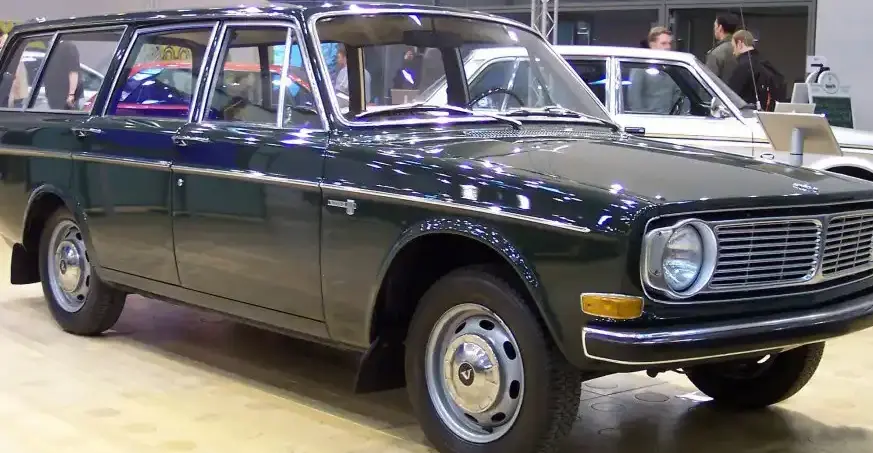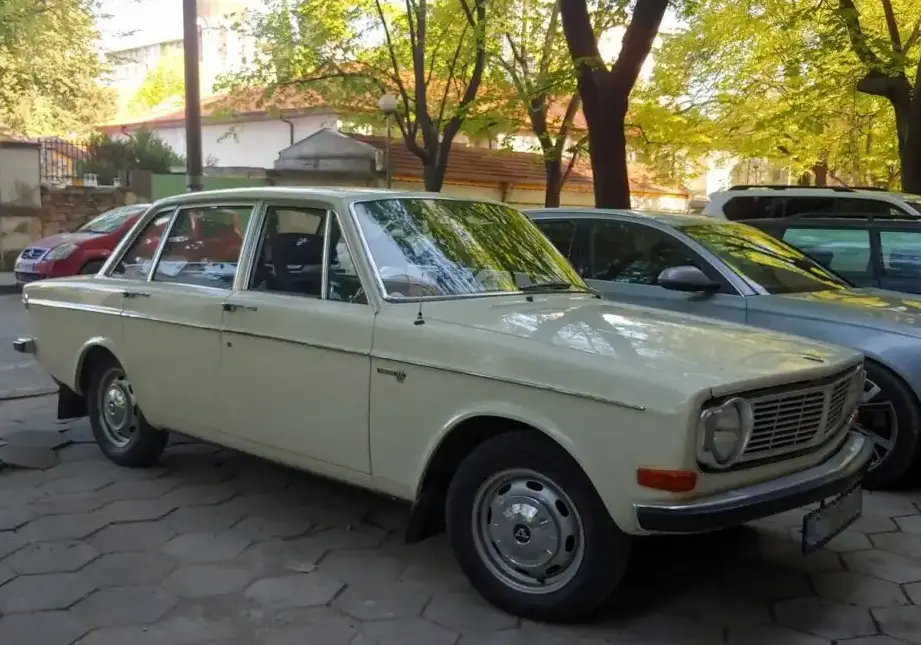
The Volvo 140 series, encompassing the 142 and 144 models, represented a significant step forward for the Swedish automaker in the early 1970s. Produced from 1966 to 1974, the 140 was Volvo’s first foray into a more modern, spacious, and safety-focused vehicle. The 2.0-liter (95 hp) variant, specifically those produced between 1971 and 1972, occupied a crucial position in the lineup, offering a balance between affordability and the renowned Volvo durability. This model served as a mainstream offering, appealing to families and drivers prioritizing practicality and reliability over outright performance. It was a key component in establishing Volvo’s reputation for building safe, long-lasting automobiles in the North American market, where safety regulations were becoming increasingly stringent.
Technical Specifications
| Brand | Volvo |
| Model | 140 |
| Generation | 140 (142, 144) |
| Type (Engine) | 2.0 (95 Hp) |
| Start of Production | 1971 |
| End of Production | 1972 |
| Powertrain Architecture | Internal Combustion Engine |
| Body Type | Sedan |
| Fuel Type | Petrol (Gasoline) |
| Power | 95 Hp |
| Engine Model/Code | B20D |
| Engine Aspiration | Naturally Aspirated |
| Engine Oil Capacity | 3.8 l (4.02 US qt | 3.34 UK qt) |
| Coolant Capacity | 10 l (10.57 US qt | 8.8 UK qt) |
| Fuel Tank Capacity | 58 l (15.32 US gal | 12.76 UK gal) |
Powertrain & Engine Architecture
The heart of the 1971-1972 Volvo 140 2.0 was the B20D engine, a 1,986 cc (121.1 cubic inch) inline-four cylinder. This engine was a development of Volvo’s long-running B20 family, known for its robustness and over-engineering. The ‘D’ designation indicated a slightly detuned version of the B20, optimized for fuel economy and smooth operation rather than peak power. It featured a cast iron block and cylinder head, a simple overhead valve (OHV) valvetrain with pushrods, and a two-barrel Solex carburetor. While not technologically advanced by later standards, this configuration proved exceptionally reliable. The B20D produced 95 horsepower at 5,200 rpm and 128 lb-ft of torque at 3,000 rpm. The engine was paired with a three-speed automatic transmission with a torque converter. This transmission, while providing convenience, was not known for its sporty character, prioritizing smooth shifts and ease of use. It was a Borg-Warner sourced unit, adapted to Volvo’s specifications.
Driving Characteristics
The 1.8L/95 hp automatic combination in the Volvo 140 delivered a comfortable, if not exhilarating, driving experience. Acceleration was adequate for everyday driving, with a 0-60 mph time estimated around 13-14 seconds. The automatic transmission’s gear ratios were geared towards fuel efficiency and relaxed cruising. Compared to the four-speed manual transmission available on other 140 models, the automatic resulted in a noticeable decrease in responsiveness. The manual transmission, coupled with the higher-output versions of the B20 engine, offered a more engaging and quicker driving experience. However, the automatic appealed to drivers who preferred the convenience of not having to shift gears, particularly in urban environments. The car’s relatively heavy weight (around 2,700 lbs) also contributed to its less sporty feel. Steering was unassisted, providing good road feel, and the suspension, while comfortable, leaned towards a softer setup, prioritizing ride quality over sharp handling.
Equipment & Trim Levels
The 1971-1972 Volvo 140 2.0 automatic typically came with a fairly standard level of equipment. Interior upholstery was generally vinyl or a durable cloth material, available in a range of muted colors. The dashboard featured a straightforward layout with analog gauges for speed, fuel level, coolant temperature, and oil pressure. A three-spoke steering wheel was standard. Optional extras included a sunroof, upgraded audio systems, and power steering (though this was relatively rare on the automatic models). The 144 model, being the four-door sedan, was generally considered the more practical and family-oriented choice, while the 142, the two-door coupe, appealed to those seeking a slightly sportier aesthetic. Both models offered similar trim levels, with the 2.0 automatic positioned as a mid-range offering, bridging the gap between the base models and the more powerful 144S.
Chassis & Braking
The Volvo 140 series utilized a robust body-on-frame construction, contributing to its inherent strength and durability. The suspension consisted of independent front suspension with coil springs and a solid rear axle with leaf springs. The 2.0 automatic models typically featured drum brakes on all four wheels, although disc brakes were available as an option, particularly on the higher-spec 144S. The braking system was hydraulically operated, providing adequate stopping power for the vehicle’s weight and performance. Stabilizer bars were fitted to both the front and rear axles, helping to reduce body roll during cornering. The chassis design prioritized safety and stability, reflecting Volvo’s commitment to passenger protection.
Market Reception & Comparison
The Volvo 140 2.0 automatic received generally positive reviews from automotive critics. It was praised for its build quality, reliability, and comfortable ride. However, the automatic transmission was often criticized for its lack of responsiveness compared to the manual gearbox. Fuel economy was considered reasonable for the time, averaging around 18-22 mpg. Compared to other trims in the 140 lineup, the 2.0 automatic offered a more affordable entry point into Volvo ownership. The higher-output 144S, with its dual carburetors and manual transmission, provided significantly more performance but came at a higher price. The 1.6-liter models, while even more affordable, were often considered underpowered. The 140 2.0 automatic struck a balance between price, performance, and practicality, making it a popular choice for families and commuters.
Legacy
The Volvo 140 series, and specifically the 2.0 automatic variant, has earned a reputation for exceptional longevity. Many examples are still on the road today, a testament to the quality of their construction and the robustness of the B20 engine. The B20D engine is known for its ability to withstand high mileage with proper maintenance. In the used car market, these Volvos are sought after by enthusiasts and collectors who appreciate their classic styling, simplicity, and reliability. While parts availability can be a challenge, a dedicated community of Volvo enthusiasts ensures that replacement components are still accessible. The 140 series laid the foundation for Volvo’s future success, establishing the brand as a leader in automotive safety and durability. The 2.0 automatic, while not the most exciting variant, remains a significant part of Volvo’s history, representing a practical and dependable choice for drivers in the early 1970s.