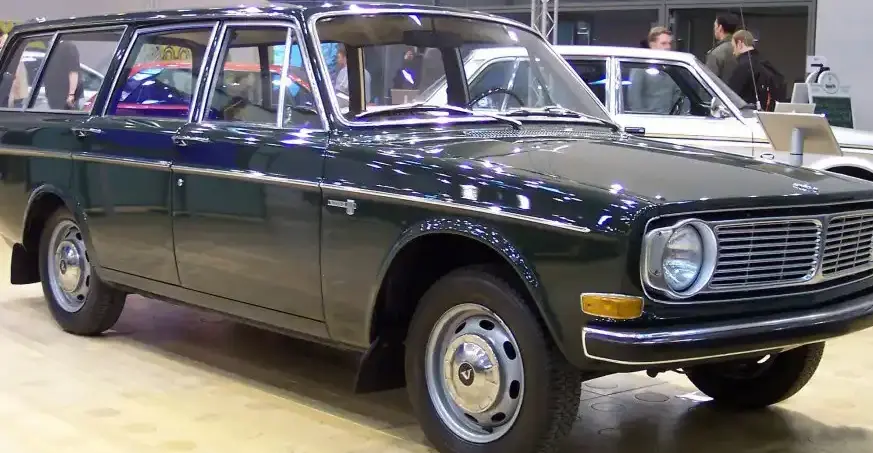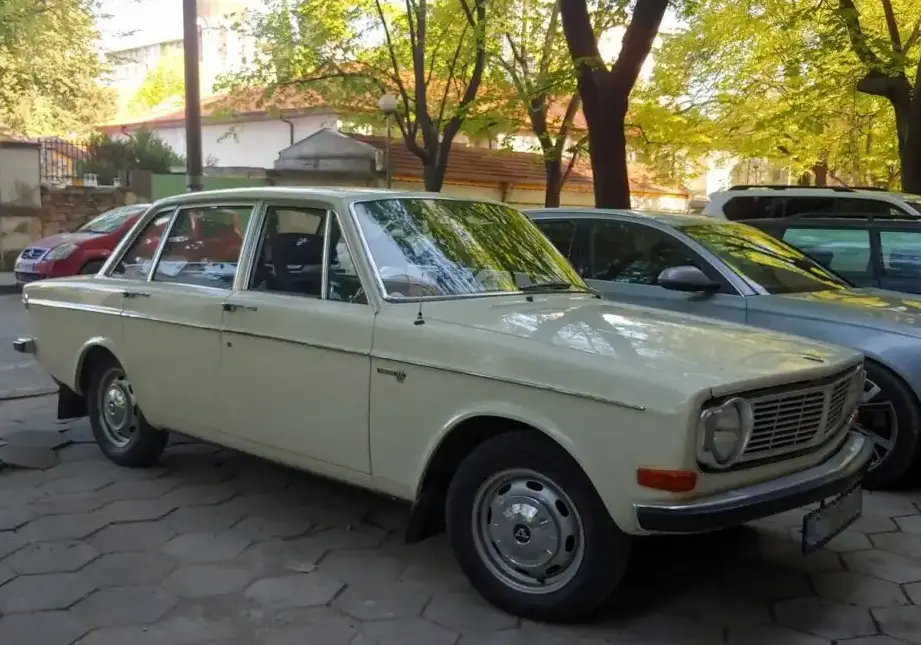
The Volvo 140 series, encompassing the 142, 144, and 145 models, represented a significant step forward for the Swedish automaker in the late 1960s and early 1970s. Produced from 1966 to 1974, it was Volvo’s first foray into a more mainstream, larger-sized vehicle, moving beyond their traditionally smaller offerings. The 140 2.0 S, specifically with its 101 horsepower output, was a key variant within the lineup, produced between 1968 and 1972. It served as a balance between affordability and performance, appealing to families and drivers seeking a safe, reliable, and comfortable sedan. This model played a crucial role in establishing Volvo’s reputation for safety and durability in the American market, where it gained a considerable following.
Technical Specifications
| Brand | Volvo |
| Model | 140 |
| Generation | 140 (142, 144) |
| Type (Engine) | 2.0 S (101 Hp) |
| Start of Production | 1968 |
| End of Production | 1972 |
| Powertrain Architecture | Internal Combustion Engine |
| Body Type | Sedan |
| Fuel Type | Petrol (Gasoline) |
| Power | 101 Hp |
| Engine Model/Code | B20B |
| Engine Aspiration | Naturally Aspirated |
| Engine Oil Capacity | 3.8 l (4.02 US qt | 3.34 UK qt) |
| Fuel Tank Capacity | 58 l (15.32 US gal | 12.76 UK gal) |
Powertrain & Engine Architecture
The heart of the 140 2.0 S was the B20B engine, a 1,986 cc (121.1 cubic inch) inline-four cylinder powerplant. This engine was a development of Volvo’s earlier B18 and B20 designs, known for their robustness and longevity. The B20B featured a cast iron block and cylinder head, with a single overhead camshaft operating pushrods to actuate the valves. Fuel delivery was handled by a Solex carburetor, a common setup for the era. The engine produced 101 horsepower at 5,200 rpm and 128 lb-ft of torque at 3,000 rpm. The ‘S’ designation indicated a slightly higher compression ratio and revised carburetor tuning compared to the standard 140 models, resulting in the modest power increase. The engine was paired with a three-speed automatic transmission with overdrive, a popular choice for American buyers prioritizing convenience over outright performance. This transmission, while reliable, wasn’t known for its particularly quick shifts or sporty feel.
Driving Characteristics
The 140 2.0 S Automatic offered a comfortable and relaxed driving experience. The automatic transmission, while not particularly quick-shifting, provided smooth and effortless cruising. Acceleration was adequate for the time, with a 0-60 mph time estimated around 12-14 seconds. The engine’s torque delivery was relatively flat, making it suitable for everyday driving and highway passing maneuvers. Compared to the manual transmission versions of the 140, the automatic naturally felt less responsive. The higher-output 144S with a manual gearbox offered a noticeably more engaging and quicker driving experience. However, the automatic version prioritized ease of use and comfort, appealing to a different segment of the market. The steering was relatively heavy, typical of cars from this era, but provided good feedback. The suspension, while comfortable, wasn’t particularly sporty, leaning towards a more compliant ride quality.
Equipment & Trim Levels
The 140 2.0 S typically came equipped with a reasonable level of standard features for the late 1960s. Interior appointments included cloth upholstery, often in durable and patterned fabrics. The dashboard was functional and straightforward, featuring a speedometer, fuel gauge, and temperature gauge. A three-spoke steering wheel was standard. Optional extras included a radio, heater, whitewall tires, and upgraded interior trim. The 140 series was also notable for its safety features, which were relatively advanced for the time. These included disc brakes on the front wheels, seat belts for all occupants, and a collapsible steering column designed to absorb impact energy in a collision. The 2.0 S trim generally offered a slightly more refined interior compared to the base models, with improved upholstery and trim materials.
Chassis & Braking
The Volvo 140 series utilized a robust body-on-frame construction, contributing to its reputation for durability and crashworthiness. The front suspension consisted of independent coil springs and wishbones, while the rear suspension employed a solid axle with leaf springs. The 2.0 S model featured disc brakes on the front wheels, providing good stopping power, and drum brakes on the rear. Stabilizer bars were fitted to both the front and rear axles, helping to reduce body roll during cornering. The chassis was designed to prioritize safety and comfort over sporty handling. The relatively heavy weight of the vehicle, combined with the leaf spring rear suspension, resulted in a ride that was comfortable but not particularly agile.
Market Reception & Comparison
The Volvo 140 2.0 S Automatic was generally well-received by critics and consumers alike. It was praised for its safety, reliability, and comfortable ride. However, some reviewers noted that the automatic transmission detracted from the driving experience compared to the manual versions. Fuel economy was reasonable for the time, averaging around 18-22 mpg. Compared to other cars in its class, such as the Ford Falcon or Chevrolet Nova, the Volvo 140 offered a more refined and sophisticated driving experience, along with a stronger emphasis on safety. The 140 2.0 S was positioned as a mid-range offering within the 140 lineup, slotting between the base models and the higher-performance 144S. The 144S, with its more powerful engine and manual transmission, appealed to drivers seeking a more engaging driving experience, while the 140 2.0 S catered to those prioritizing comfort and convenience.
Legacy
The Volvo 140 series, and the 2.0 S variant in particular, left a lasting legacy. It established Volvo as a leader in automotive safety and cemented the brand’s reputation for building durable and reliable vehicles. The B20 engine proved to be exceptionally robust, with many examples still running today. In the used car market, the 140 2.0 S is sought after by enthusiasts and collectors who appreciate its classic styling, simple mechanicals, and enduring build quality. While maintenance can require sourcing parts that are becoming increasingly scarce, the relative simplicity of the car makes it a rewarding project for DIY mechanics. The 140 series remains a testament to Volvo’s commitment to safety and engineering excellence, and a beloved classic among automotive enthusiasts.