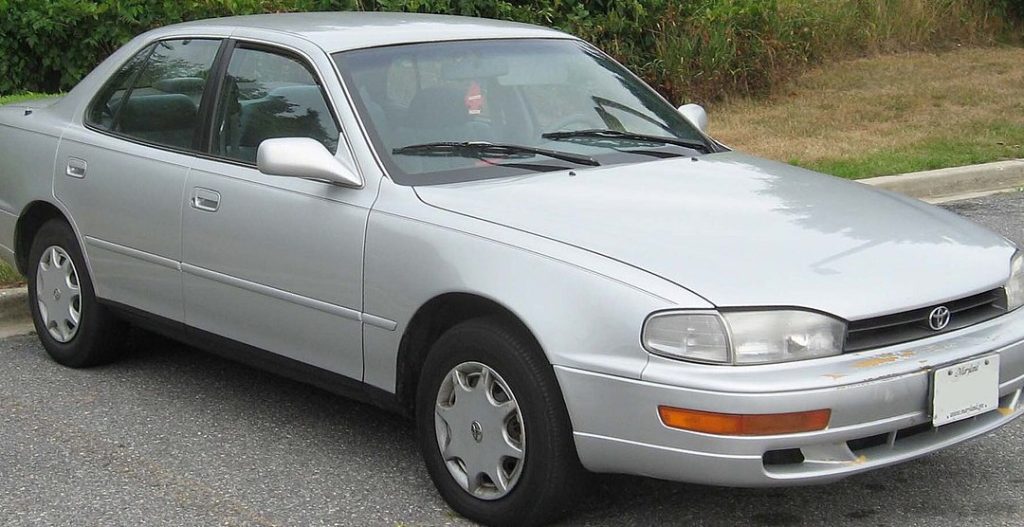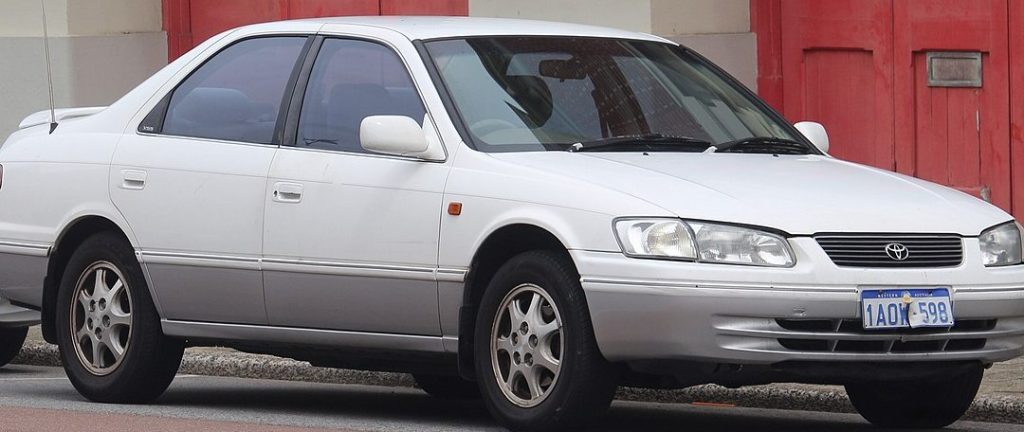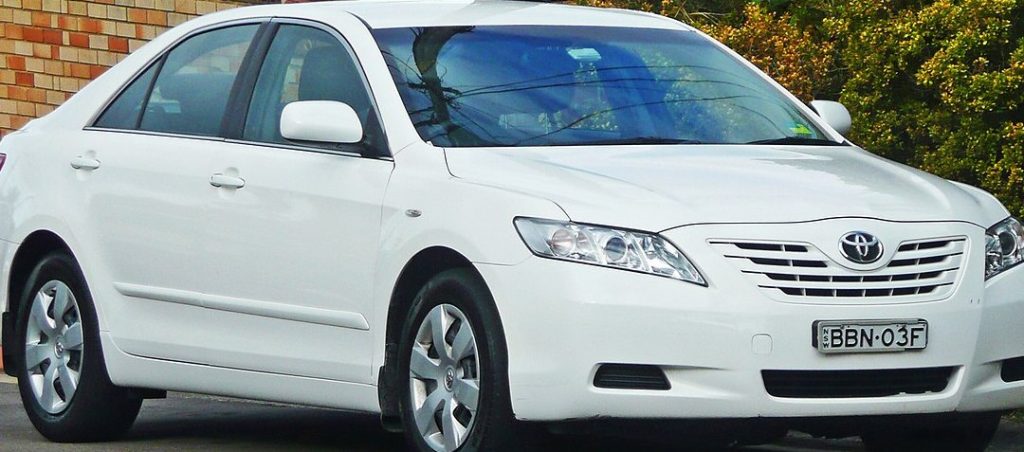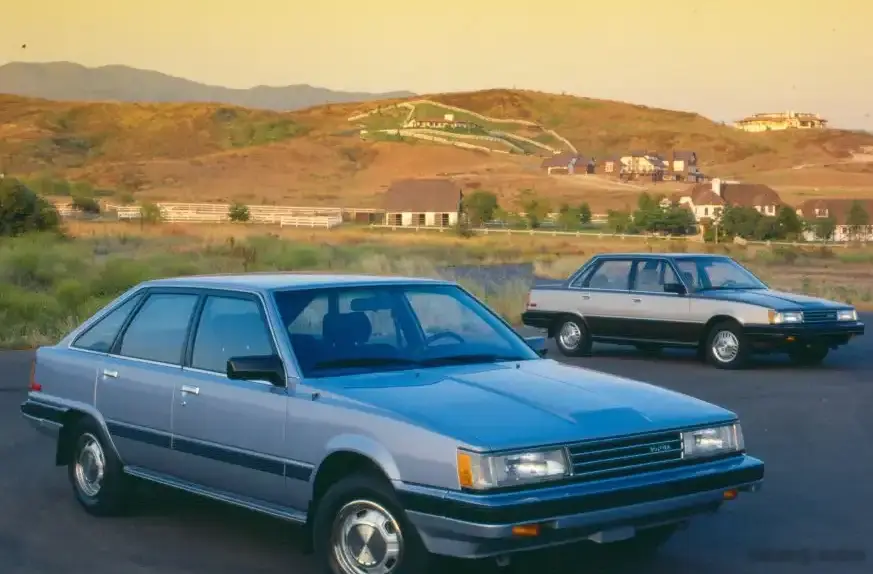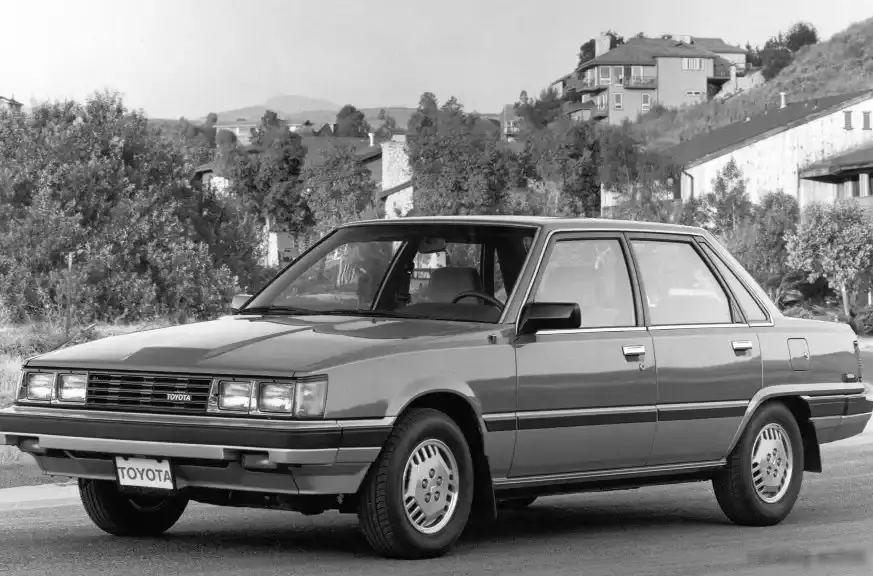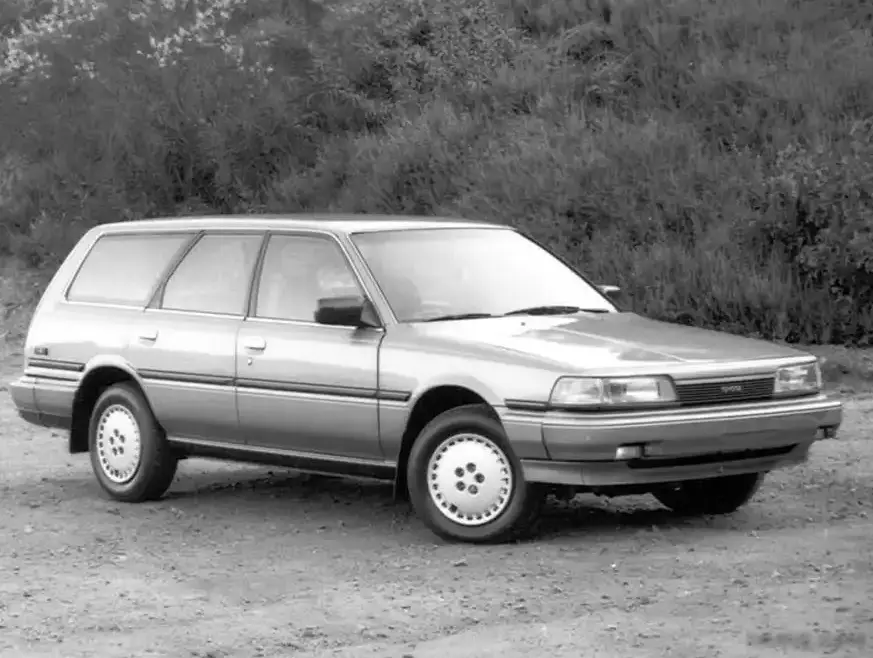
The Toyota Camry II Wagon (V20) 2.0 GLi 16V, produced between 1986 and 1991, represented Toyota’s entry into the increasingly popular station wagon market. Part of the second generation of the Camry (XV10/V20 series), this variant offered a practical and relatively sporty alternative to sedans, particularly appealing to families and those needing versatile cargo space. The V20 chassis, shared with the Camry sedan and coupe, provided a solid foundation for the wagon body style. The 2.0 GLi 16V trim sat in the mid-range of the Camry wagon lineup, offering a balance between performance, features, and affordability. It was positioned above the base models and below the more luxurious trims.
Technical Specifications
| Brand | Toyota |
| Model | Camry |
| Generation | Camry II Wagon (V20) |
| Type (Engine) | 2.0 GLi 16V (121 Hp) |
| Start of production | 1986 |
| End of production | 1991 |
| Powertrain Architecture | Internal Combustion engine |
| Body type | Station wagon (estate) |
| Seats | 5 |
| Doors | 5 |
| Fuel Type | Petrol (Gasoline) |
| Acceleration 0 – 100 km/h | 9.7 sec |
| Acceleration 0 – 62 mph | 9.7 sec |
| Acceleration 0 – 60 mph | 9.2 sec |
| Maximum speed | 175 km/h (108.74 mph) |
| Weight-to-power ratio | 10.6 kg/Hp, 94.5 Hp/tonne |
| Weight-to-torque ratio | 7.3 kg/Nm, 137.5 Nm/tonne |
| Power | 121 Hp @ 5600 rpm |
| Power per litre | 60.6 Hp/l |
| Torque | 176 Nm @ 4400 rpm (129.81 lb.-ft. @ 4400 rpm) |
| Engine layout | Front, Transverse |
| Engine Model/Code | 1S-i |
| Engine displacement | 1998 cm3 (121.93 cu. in.) |
| Number of cylinders | 4 |
| Engine configuration | Inline |
| Cylinder Bore | 86 mm (3.39 in.) |
| Piston Stroke | 86 mm (3.39 in.) |
| Compression ratio | 9.3:1 |
| Number of valves per cylinder | 4 |
| Fuel injection system | Multi-port manifold injection |
| Engine aspiration | Naturally aspirated engine |
| Engine oil capacity | 4 l (4.23 US qt | 3.52 UK qt) |
| Coolant | 7 l (7.4 US qt | 6.16 UK qt) |
| Kerb Weight | 1280 kg (2821.92 lbs.) |
| Max. weight | 1770 kg (3902.18 lbs.) |
| Max load | 490 kg (1080.27 lbs.) |
| Trunk (boot) space – minimum | 633 l (22.35 cu. ft.) |
| Trunk (boot) space – maximum | 1300 l (45.91 cu. ft.) |
| Fuel tank capacity | 60 l (15.85 US gal | 13.2 UK gal) |
| Max. roof load | 100 kg (220.46 lbs.) |
| Permitted trailer load with brakes (12%) | 1500 kg (3306.93 lbs.) |
| Permitted trailer load without brakes | 500 kg (1102.31 lbs.) |
| Length | 4610 mm (181.5 in.) |
| Width | 1710 mm (67.32 in.) |
| Height | 1440 mm (56.69 in.) |
| Wheelbase | 2600 mm (102.36 in.) |
| Minimum turning circle | 10.6 m (34.78 ft.) |
| Drivetrain | Front wheel drive |
| Number of gears and type of gearbox | 5 gears, manual transmission |
| Front suspension | Independent, type McPherson with coil spring and anti-roll bar |
| Rear suspension | Torsion |
| Front brakes | Ventilated discs |
| Rear brakes | Drum |
| Tires size | 185/70 R14 |
| Wheel rims size | 14 |
Powertrain & Engine Architecture
The 2.0 GLi 16V variant was powered by the 1S-i engine, a 1998cc inline-four cylinder gasoline engine. This engine featured multi-port fuel injection, a significant upgrade over earlier carburetor-equipped models, contributing to improved fuel efficiency and smoother power delivery. The “16V” designation indicates a four-valve-per-cylinder configuration, enhancing volumetric efficiency and allowing for higher engine speeds. The 1S-i engine produced 121 horsepower at 5600 rpm and 176 Nm (129.81 lb-ft) of torque at 4400 rpm. The engine’s transverse mounting and front-wheel-drive configuration were typical for vehicles of this era, optimizing interior space and improving packaging. The 5-speed manual transmission was standard, providing drivers with good control over the engine’s power band.
Driving Characteristics
The Camry Wagon 2.0 GLi 16V offered a reasonably engaging driving experience for its class. While not a sports car, the 121 hp engine provided adequate power for everyday driving and highway cruising. Acceleration to 60 mph took approximately 9.2 seconds, and the car could reach a top speed of 175 km/h (108.74 mph). The five-speed manual transmission allowed drivers to keep the engine in its optimal power range, resulting in responsive acceleration. Compared to the base model Camry wagons with smaller engines, the 2.0 GLi 16V offered a noticeable performance improvement. However, it didn’t match the quicker acceleration of the V6-powered Camry models available in some markets. The torsion beam rear suspension provided a comfortable ride, but handling was not as precise as that of cars with fully independent rear suspension.
Equipment & Trim Levels
The 2.0 GLi 16V trim level included a number of standard features designed to enhance comfort and convenience. These typically included cloth upholstery, power steering, a basic audio system, and manual windows and locks. Optional extras could include air conditioning, upgraded audio systems, and alloy wheels. The interior design was functional and straightforward, prioritizing practicality over luxury. The wagon body style offered a generous amount of cargo space, with 633 liters (22.35 cu. ft.) behind the rear seats and up to 1300 liters (45.91 cu. ft.) with the rear seats folded down.
Chassis & Braking
The Camry Wagon utilized a McPherson strut front suspension with coil springs and an anti-roll bar, providing a good balance of ride comfort and handling. The rear suspension employed a torsion beam setup, which was cost-effective and space-efficient. Braking duties were handled by ventilated discs at the front and drum brakes at the rear. This configuration was typical for vehicles in this price range during the late 1980s and early 1990s. The 185/70 R14 tires provided adequate grip for most driving conditions.
Market Reception & Comparison
The Toyota Camry Wagon, including the 2.0 GLi 16V variant, was generally well-received by automotive critics. It was praised for its practicality, reliability, and comfortable ride. The 2.0-liter engine was considered a good compromise between performance and fuel economy. Compared to other station wagons available at the time, such as the Ford Escort Wagon or the Volkswagen Variant, the Camry Wagon offered a more refined driving experience and a reputation for exceptional reliability. Fuel economy was respectable for the era, averaging around 25-30 mpg in mixed driving conditions.
Legacy
The Toyota Camry II Wagon 2.0 GLi 16V has proven to be a durable and reliable vehicle. The 1S-i engine is known for its longevity, and many examples are still on the road today. While not particularly collectible, well-maintained examples are sought after by enthusiasts who appreciate their practicality and classic Toyota engineering. The Camry Wagon helped establish Toyota’s reputation for building high-quality, dependable vehicles, and it remains a popular choice for those seeking a classic station wagon with a proven track record. Parts availability is generally good, although some trim-specific components may be difficult to find.