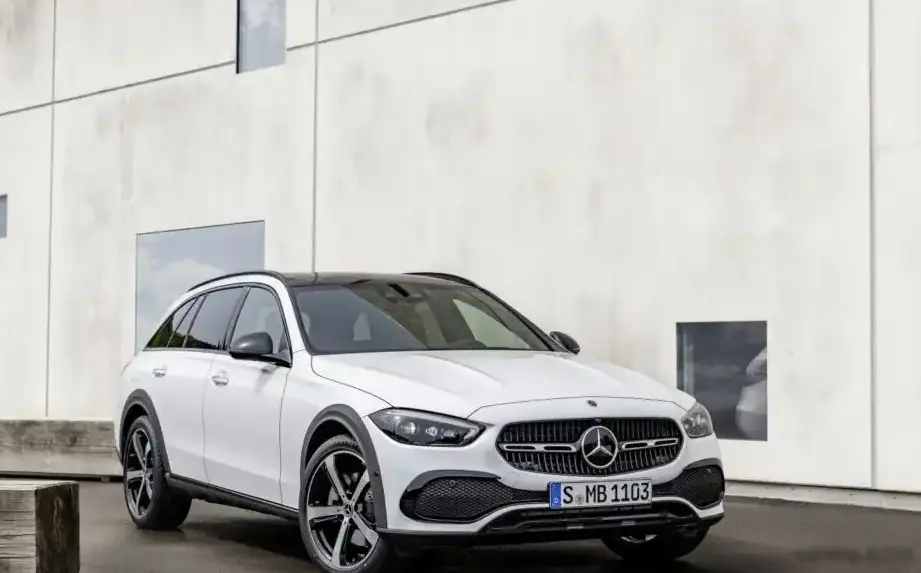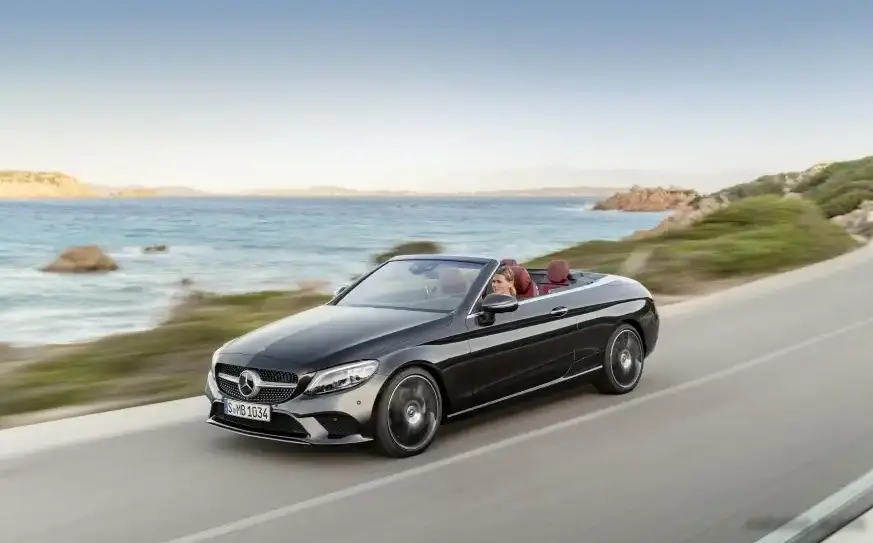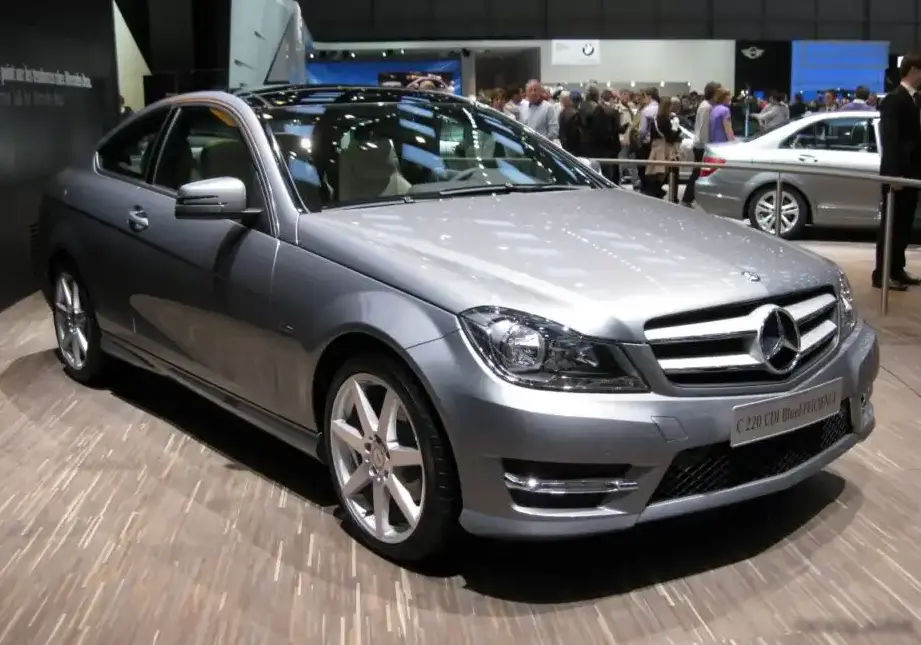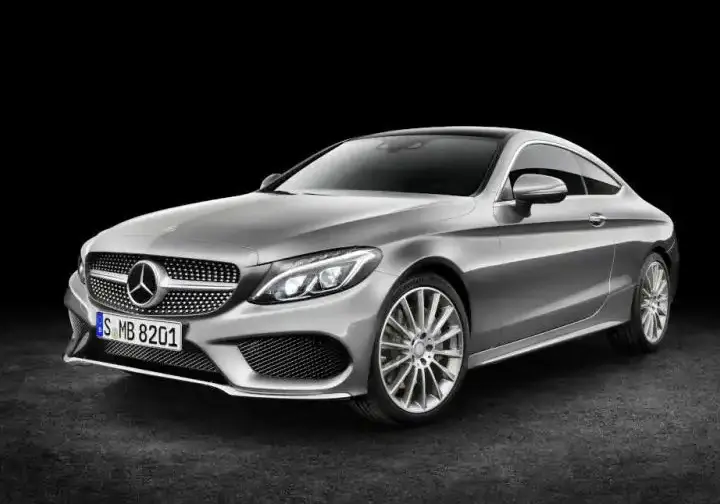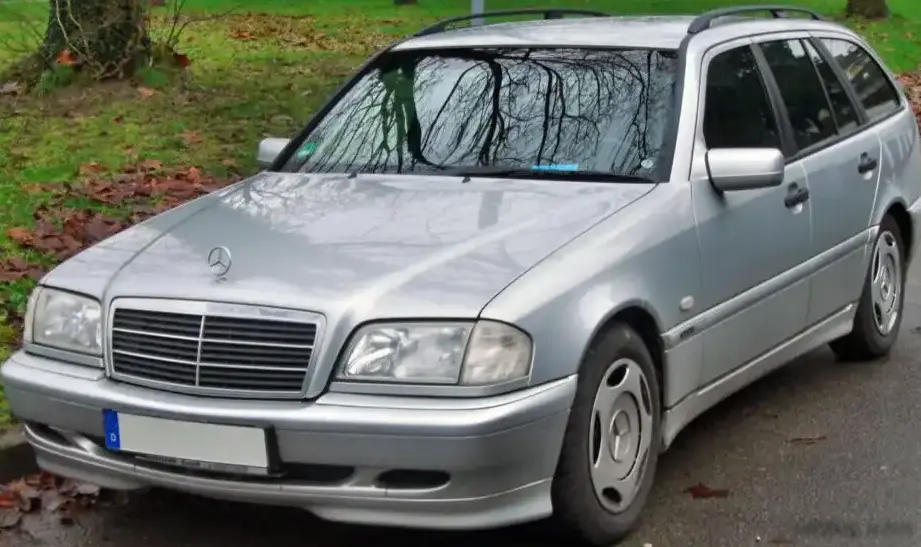
The Mercedes-Benz C 230 T-modell, part of the S202 series produced from July 1997 to February 1998, represented a compelling blend of practicality and performance within the compact executive estate car segment. This facelifted version of the W202 C-Class benefited from numerous refinements over the original, offering improved build quality and a more sophisticated driving experience. Positioned as a mid-range offering within the T-modell (estate) lineup, the C 230 bridged the gap between the more economical C 180 and the higher-performance C 280 variants. It appealed to buyers seeking a balance of fuel efficiency, comfortable cruising, and the versatility of a wagon body style.
Technical Specifications
| Brand | Mercedes-Benz |
| Model | C-class |
| Generation | C-class T-modell (S202, facelift 1997) |
| Type (Engine) | C 230 (150 Hp) |
| Start of production | July, 1997 |
| End of production | February, 1998 |
| Powertrain Architecture | Internal Combustion engine |
| Body type | Station wagon (estate) |
| Seats | 5 |
| Doors | 5 |
| Fuel consumption (urban) | 11.5 l/100 km (20.5 US mpg) |
| Fuel consumption (extra urban) | 6.5 l/100 km (36.2 US mpg) |
| Fuel Type | Petrol (Gasoline) |
| Acceleration 0 – 100 km/h | 10.7 sec |
| Acceleration 0 – 62 mph | 10.7 sec |
| Acceleration 0 – 60 mph | 10.2 sec |
| Maximum speed | 207 km/h (128.62 mph) |
| Weight-to-power ratio | 9.7 kg/Hp |
| Weight-to-torque ratio | 6.9 kg/Nm |
| Power | 150 Hp @ 5400 rpm |
| Power per litre | 65.4 Hp/l |
| Torque | 210 Nm @ 3700-4500 rpm (154.89 lb.-ft.) |
| Engine layout | Front, Longitudinal |
| Engine Model/Code | M 111 E 23 / 111.974 |
| Engine displacement | 2295 cm3 (140.05 cu. in.) |
| Number of cylinders | 4 |
| Engine configuration | Inline |
| Cylinder Bore | 90.9 mm (3.58 in.) |
| Piston Stroke | 88.4 mm (3.48 in.) |
| Compression ratio | 10.4:1 |
| Number of valves per cylinder | 4 |
| Fuel injection system | Multi-port manifold injection |
| Engine aspiration | Naturally aspirated engine |
| Valvetrain | DOHC |
| Engine oil capacity | 5.5 l (5.81 US qt | 4.84 UK qt) |
| Coolant | 8.5 l (8.98 US qt | 7.48 UK qt) |
| Kerb Weight | 1450 kg (3196.7 lbs.) |
| Max. weight | 1950 kg (4299.01 lbs.) |
| Max load | 500 kg (1102.31 lbs.) |
| Fuel tank capacity | 62 l (16.38 US gal | 13.64 UK gal) |
| Length | 4487 mm (176.65 in.) |
| Width | 1720 mm (67.72 in.) |
| Height | 1460 mm (57.48 in.) |
| Wheelbase | 2690 mm (105.91 in.) |
| Front track | 1499 mm (59.02 in.) |
| Rear track | 1464 mm (57.64 in.) |
| Drivetrain Architecture | Rear wheel drive |
| Drive wheel | Rear wheel drive |
| Number of gears | 5 gears, manual transmission |
| Front suspension | Double wishbone |
| Rear suspension | Independent multi-link spring suspension with stabilizer |
| Front brakes | Ventilated discs |
| Rear brakes | Disc |
| Assisting systems | ABS (Anti-lock braking system) |
| Steering type | Cone worm with recirculation balls |
| Power steering | Hydraulic Steering |
| Tires size | 195/65 R15 |
| Wheel rims size | 6.5J x 15 |
Powertrain & Engine Architecture
The C 230 T-modell was powered by the M111 E 23 engine, a 2.3-liter inline-four cylinder powerplant. This engine was a significant departure from the older CIS (Continuous Injection System) engines previously used by Mercedes-Benz, embracing multi-port fuel injection for improved efficiency and performance. The M111 featured a double overhead camshaft (DOHC) valvetrain with four valves per cylinder, contributing to its relatively high specific output. The engine code, 111.974, identifies specific variations within the M111 family. The engine produced 150 horsepower at 5400 rpm and 210 Nm (155 lb-ft) of torque between 3700 and 4500 rpm. The five-speed manual transmission was standard, providing a direct connection to the rear wheels. While an automatic transmission was available, it impacted acceleration and fuel economy.
Driving Characteristics
The C 230 T-modell with the manual transmission offered a reasonably engaging driving experience. Acceleration from 0 to 60 mph took approximately 10.2 seconds, and it could reach a top speed of 128.62 mph. While not a sports car, the engine provided adequate power for everyday driving and comfortable highway cruising. The manual gearbox allowed for precise control, but the gear ratios were somewhat tall, prioritizing fuel economy over outright acceleration. Compared to the C 180, the C 230 offered noticeably more power and responsiveness. However, it lacked the punch of the C 280, which featured a larger displacement engine. The rear-wheel-drive configuration provided balanced handling, although it could be prone to oversteer in challenging conditions.
Equipment & Trim Levels
The C 230 T-modell came standard with a respectable level of equipment, including power windows, central locking, and an anti-lock braking system (ABS). Interior upholstery typically consisted of cloth, although leather was available as an option. The dashboard layout was functional and well-designed, with clear instrumentation. Optional extras included a sunroof, automatic climate control, and a premium sound system. The T-modell designation itself added a significant amount of practicality, with a spacious cargo area accessible through a rear tailgate. The interior trim was generally conservative, reflecting Mercedes-Benz’s focus on understated luxury.
Chassis & Braking
The S202 C-Class T-modell utilized a double wishbone front suspension and an independent multi-link rear suspension, providing a comfortable ride and good handling characteristics. Stabilizer bars were fitted to both axles to reduce body roll. The braking system consisted of ventilated discs at the front and solid discs at the rear. ABS was standard, enhancing braking performance and stability. The suspension was tuned to prioritize comfort over outright sportiness, making it well-suited for long-distance journeys. The chassis was robust and well-built, contributing to the car’s overall feeling of solidity.
Market Reception & Comparison
The C 230 T-modell was generally well-received by automotive critics. It was praised for its practicality, build quality, and comfortable ride. However, some reviewers noted that the engine lacked the refinement of its competitors, particularly from BMW and Audi. Fuel economy was considered reasonable for its class, although it wasn’t class-leading. Compared to the C 180, the C 230 offered a significant performance upgrade, justifying the higher price tag for buyers who prioritized power. Against the C 280, the C 230 represented a more affordable option, albeit with a noticeable performance deficit.
Legacy
The M111 engine, found in the C 230 T-modell, proved to be a relatively reliable powerplant when properly maintained. Common issues included oil leaks and occasional problems with the ignition system. However, these were generally not major concerns. Today, the S202 C-Class T-modell is gaining recognition as a classic Mercedes-Benz, appreciated for its timeless design and solid engineering. Well-maintained examples are becoming increasingly sought after by enthusiasts. The C 230 variant, with its balance of performance and economy, represents a sweet spot in the lineup, offering a compelling combination of practicality and driving enjoyment. Finding one in excellent condition can be a challenge, but the rewards are a comfortable, reliable, and stylish estate car with a rich heritage.