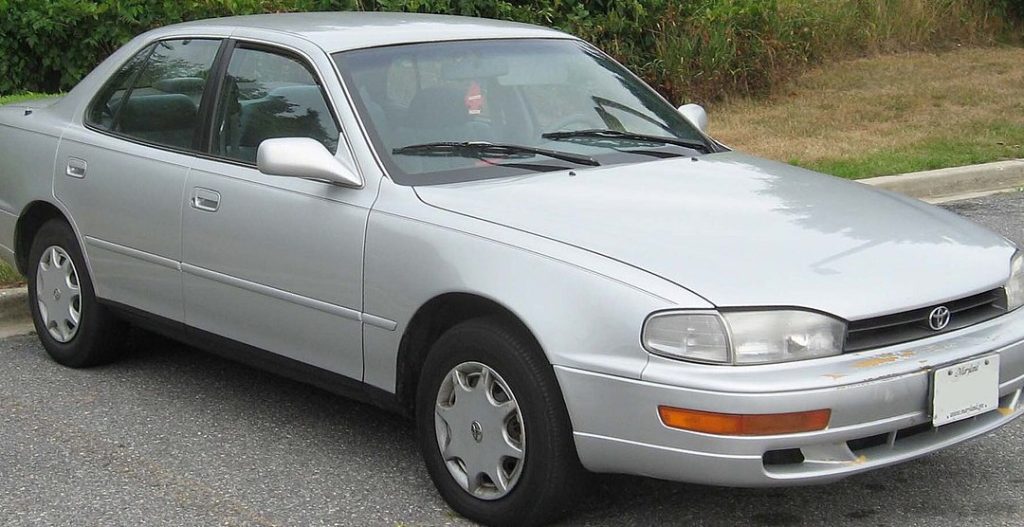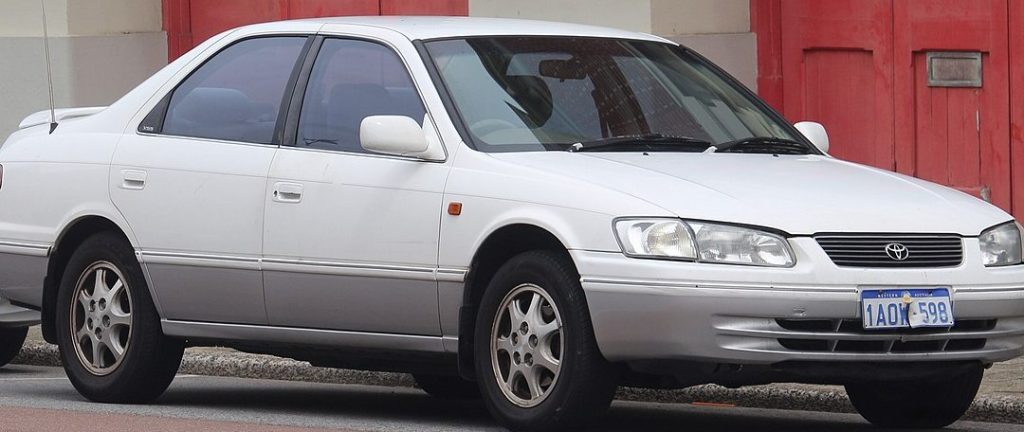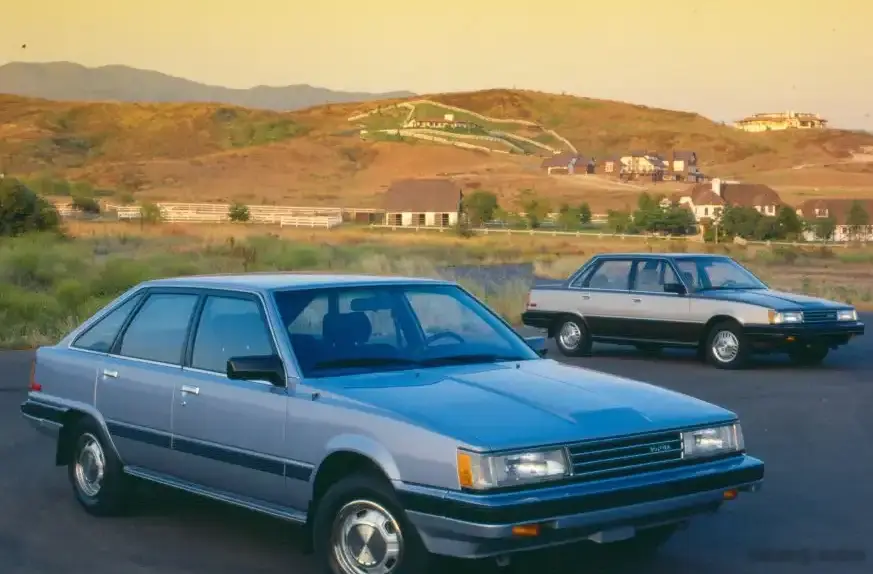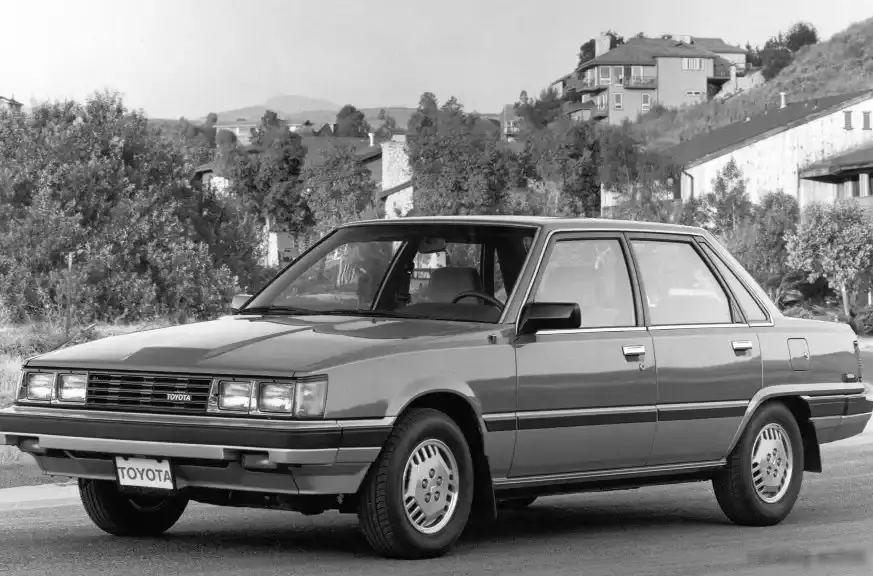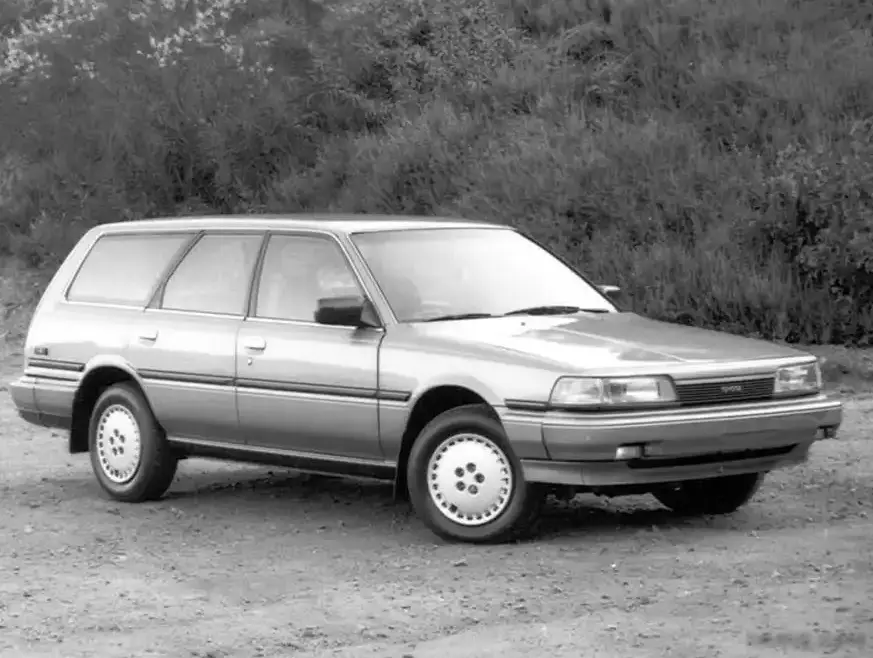
The Toyota Camry II Wagon, specifically the V20 series produced between 1990 and 1991, represented a unique offering from Toyota in the station wagon segment. While the Camry nameplate was well-established in the US market as a sedan, the wagon variant – primarily aimed at European and Japanese consumers – provided a practical and spacious alternative. This particular version featured a 2.5-liter V6 engine producing 160 horsepower, paired with a 5-speed manual transmission. It occupied a mid-range position within the V20 lineup, offering a balance between performance and fuel efficiency compared to the smaller four-cylinder options and the potential for larger engine variants in other markets.
Technical Specifications
| Brand | Toyota |
| Model | Camry |
| Generation | Camry II Wagon (V20) |
| Type (Engine) | 2.5 V6 24V (160 Hp) |
| Start of production | 1990 |
| End of production | 1991 |
| Powertrain Architecture | Internal Combustion engine |
| Body type | Station wagon (estate) |
| Seats | 5 |
| Doors | 5 |
| Fuel Type | Petrol (Gasoline) |
| Acceleration 0 – 100 km/h | 9.3 sec |
| Acceleration 0 – 62 mph | 9.3 sec |
| Acceleration 0 – 60 mph | 8.8 sec |
| Maximum speed | 200 km/h (124.27 mph) |
| Weight-to-power ratio | 8.9 kg/Hp, 112.3 Hp/tonne |
| Weight-to-torque ratio | 6.9 kg/Nm, 144.6 Nm/tonne |
| Power | 160 Hp @ 5800 rpm |
| Power per litre | 63.8 Hp/l |
| Torque | 206 Nm @ 4600 rpm (151.94 lb.-ft. @ 4600 rpm) |
| Engine layout | Front, Transverse |
| Engine Model/Code | 2VZ-FE |
| Engine displacement | 2507 cm3 (152.99 cu. in.) |
| Number of cylinders | 6 |
| Engine configuration | V-engine |
| Cylinder Bore | 87.5 mm (3.44 in.) |
| Piston Stroke | 69.5 mm (2.74 in.) |
| Compression ratio | 9:1 |
| Number of valves per cylinder | 4 |
| Fuel injection system | Multi-port manifold injection |
| Engine aspiration | Naturally aspirated engine |
| Engine oil capacity | 3.9 l (4.12 US qt | 3.43 UK qt) |
| Coolant | 9.5 l (10.04 US qt | 8.36 UK qt) |
| Kerb Weight | 1425 kg (3141.59 lbs) |
| Max. weight | 1930 kg (4254.92 lbs) |
| Max load | 505 kg (1113.33 lbs) |
| Trunk (boot) space – minimum | 633 l (22.35 cu. ft.) |
| Trunk (boot) space – maximum | 1300 l (45.91 cu. ft.) |
| Fuel tank capacity | 60 l (15.85 US gal | 13.2 UK gal) |
| Max. roof load | 100 kg (220.46 lbs) |
| Permitted trailer load with brakes (12%) | 1500 kg (3306.93 lbs) |
| Permitted trailer load without brakes | 500 kg (1102.31 lbs) |
| Length | 4610 mm (181.5 in.) |
| Width | 1710 mm (67.32 in.) |
| Height | 1440 mm (56.69 in.) |
| Wheelbase | 2600 mm (102.36 in.) |
| Minimum turning circle | 11.0 m (36.09 ft.) |
| Drivetrain Architecture | The Internal combustion engine (ICE) drives the front wheels of the vehicle. |
| Drive wheel | Front wheel drive |
| Number of gears and type of gearbox | 5 gears, manual transmission |
| Front suspension | Independent, type McPherson with coil spring and anti-roll bar |
| Rear suspension | Torsion |
| Front brakes | Ventilated discs |
| Rear brakes | Disc |
| Assisting systems | ABS (Anti-lock braking system) |
| Tires size | 195/60 R15 |
| Wheel rims size | 15 |
Powertrain & Engine Architecture
The heart of this Camry Wagon variant was the 2VZ-FE engine, a 2.5-liter, naturally aspirated V6. This engine was a member of Toyota’s V-series, known for its relatively compact size and smooth operation. The 2VZ-FE featured a cast iron block and an aluminum cylinder head, incorporating a dual overhead camshaft (DOHC) design with four valves per cylinder (24V). Fuel delivery was managed by a multi-port fuel injection system, optimizing combustion efficiency and contributing to the engine’s 160 horsepower output at 5800 rpm and 206 Nm (151.94 lb-ft) of torque at 4600 rpm. The engine’s 9:1 compression ratio was a compromise between performance and the fuel quality available in various markets. The 5-speed manual transmission provided drivers with good control over the engine’s powerband, allowing for both efficient cruising and spirited acceleration.
Driving Characteristics
The 160 hp V6, coupled with the 5-speed manual, provided a noticeably more engaging driving experience than the base four-cylinder Camry Wagons. Acceleration to 60 mph was achieved in approximately 8.8 seconds, making it competitive with other family wagons of the era. The V6’s torque curve offered good responsiveness across a wide range of engine speeds, making it suitable for both city driving and highway cruising. The manual transmission allowed drivers to fully utilize the engine’s power, while the relatively lightweight construction of the V20 wagon contributed to nimble handling. Compared to potential automatic transmission options, the manual offered a more direct connection to the engine and improved fuel economy.
Equipment & Trim Levels
The 2.5 V6 Camry Wagon typically came with a reasonable level of standard equipment, reflecting its mid-range positioning. This included power steering, central locking, and a basic audio system. Interior upholstery was typically cloth, with options for upgraded materials available. Dashboard configuration was functional and straightforward, prioritizing usability over luxury. Optional extras could include air conditioning, power windows, and an upgraded sound system. Specific trim levels varied depending on the market, but generally, the V6 model offered a step up in features compared to the base models.
Chassis & Braking
The V20 Camry Wagon utilized a front-engine, front-wheel-drive layout. Suspension consisted of an independent McPherson strut setup at the front, providing a comfortable ride and decent handling. The rear suspension employed a torsion beam axle, a cost-effective solution that offered adequate stability for everyday driving. Braking duties were handled by ventilated discs at the front and solid discs at the rear, providing sufficient stopping power for the vehicle’s weight. An Anti-lock Braking System (ABS) was often included as standard equipment, enhancing safety and control during emergency braking situations.
Market Reception & Comparison
The Camry Wagon, including the 2.5 V6 variant, was generally well-received in markets where station wagons were popular, such as Europe and Japan. Critics praised its spacious interior, comfortable ride, and the smooth power delivery of the V6 engine. However, some reviewers noted that the wagon’s styling was somewhat conservative compared to its competitors. Compared to other trims in the Camry lineup, the 2.5 V6 offered a significant performance upgrade over the four-cylinder models, but at a higher price point. Fuel economy was reasonable for a V6 engine of that era, but not as efficient as the smaller-displacement options.
Legacy
The Toyota Camry II Wagon, particularly the 2.5 V6 model, has developed a modest following among enthusiasts and collectors. The 2VZ-FE engine is known for its reliability and durability, and well-maintained examples can still provide years of service. While not as iconic as some other classic wagons, the V20 Camry Wagon represents a practical and well-engineered vehicle from Toyota’s past. In the used car market today, these wagons are relatively rare and can command a premium price, especially those in good condition with low mileage. The combination of a spacious interior, comfortable ride, and a smooth V6 engine makes it a desirable option for those seeking a classic family wagon.