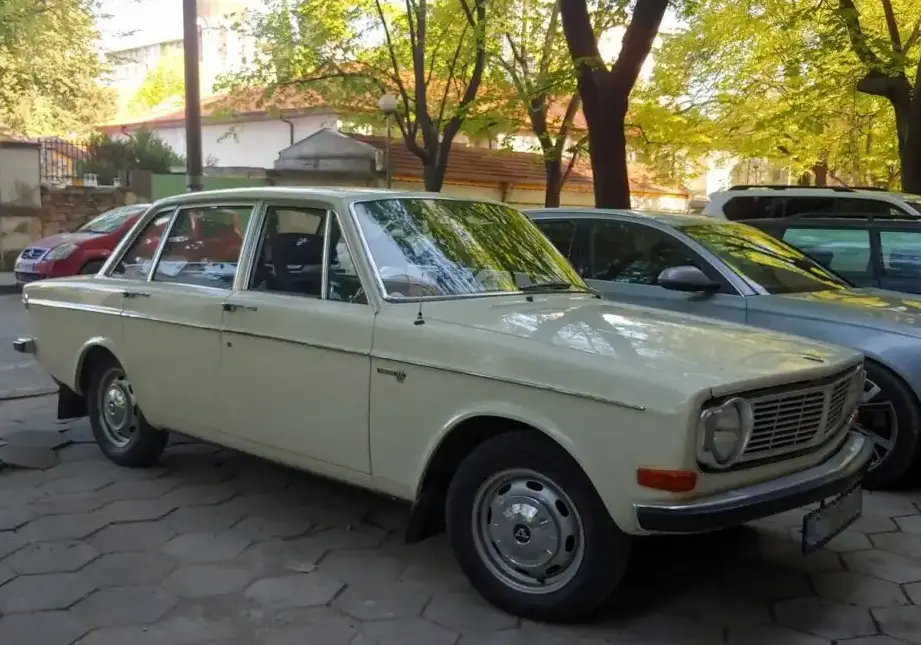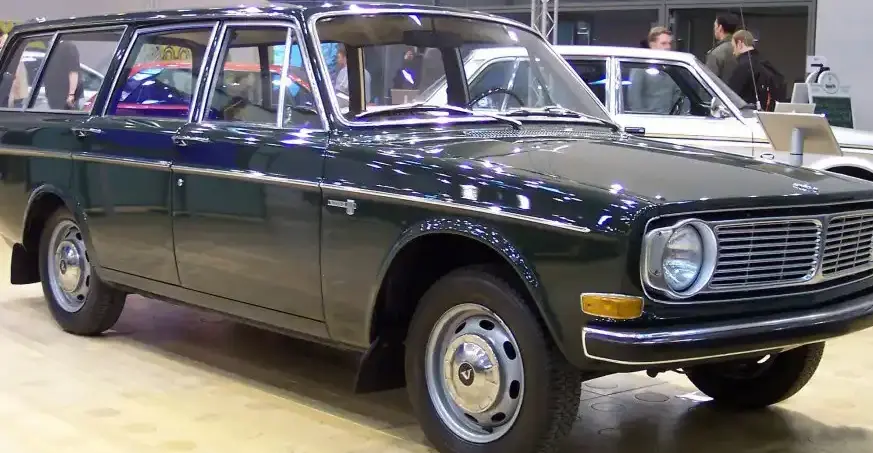
The Volvo 145, part of the broader 140 series, represented Volvo’s entry into the growing station wagon market. Produced from 1972 to 1973, the 2.0 S (124 hp) variant occupied a middle ground within the 140 Combi (estate) lineup, offering a balance between performance and practicality. This model, built on the robust and safety-focused engineering principles Volvo was becoming known for, aimed to provide a comfortable and reliable family vehicle with a touch more power than the base models. It was a key component of Volvo’s strategy to appeal to a wider range of buyers, particularly those needing a versatile vehicle for both daily commuting and weekend adventures.
Technical Specifications
| Brand | Volvo |
| Model | 140 |
| Generation | 140 Combi (145) |
| Type (Engine) | 2.0 S (124 Hp) |
| Start of production | 1972 |
| End of production | 1973 |
| Powertrain Architecture | Internal Combustion engine |
| Body type | Station wagon (estate) |
| Seats | 5 |
| Doors | 5 |
| Fuel Type | Petrol (Gasoline) |
| Power | 124 Hp |
| Engine Model/Code | B20E |
| Engine aspiration | Naturally aspirated engine |
| Engine oil capacity | 3.3 l (3.49 US qt | 2.9 UK qt) |
| Coolant capacity | 10 l (10.57 US qt | 8.8 UK qt) |
| Fuel tank capacity | 58 l (15.32 US gal | 12.76 UK gal) |
Powertrain & Engine Architecture
The heart of the 145 2.0 S was the B20E engine, a 2.0-liter (1986 cc) inline-four cylinder powerplant. This engine was a development of Volvo’s long-running B20 family, known for its durability and relatively simple design. The ‘E’ designation indicated the presence of Bosch mechanical fuel injection, a significant upgrade over the carbureted engines found in earlier 140s and base models. This fuel injection system improved throttle response and fuel efficiency compared to carburetors, though it wasn’t as sophisticated as later electronic fuel injection systems. The B20E featured a cast iron block and an aluminum cylinder head, contributing to its robust nature. The valvetrain employed an overhead valve (OHV) configuration with a single camshaft, a design choice that prioritized reliability and ease of maintenance over ultimate performance. The engine produced 124 horsepower at 5800 rpm and 118 lb-ft of torque at 3500 rpm. The transmission paired with the 2.0 S was typically a four-speed automatic, although a manual transmission was also available. The automatic transmission, while offering convenience, did slightly diminish the engine’s overall performance potential.
Driving Characteristics
The 145 2.0 S with the automatic transmission offered a comfortable, if not particularly sporty, driving experience. Acceleration was adequate for the time, with a 0-60 mph time estimated around 12-13 seconds. The automatic transmission’s gear ratios were geared towards smooth cruising and fuel economy rather than rapid acceleration. Compared to the manual transmission versions, the automatic felt noticeably slower, especially during overtaking maneuvers. The B20E engine delivered its power in a linear fashion, with a broad torque curve that made it easy to drive in everyday situations. However, it lacked the punch of the later 140 models equipped with the B21 engine or the performance-oriented 164 variants. The suspension, consisting of independent front suspension with coil springs and a solid rear axle with leaf springs, provided a comfortable ride, absorbing bumps and imperfections in the road reasonably well. Steering was relatively heavy, typical of cars from this era, but offered good feedback.
Equipment & Trim Levels
The 2.0 S trim level positioned the 145 as a step up from the base models. Standard features included comfortable cloth upholstery, a wood-trimmed dashboard, and a comprehensive instrument panel. Power steering was often included, though not always standard. Other available options included a sunroof, upgraded audio systems, and rear window defroster. The interior was characterized by its functional design and durable materials, reflecting Volvo’s emphasis on practicality and longevity. The 145’s spacious interior and large cargo area made it a highly versatile vehicle, capable of accommodating both passengers and a significant amount of luggage or cargo. The trim level also included features focused on safety, such as padded dashboards and seatbelts for all occupants, aligning with Volvo’s reputation for prioritizing occupant protection.
Chassis & Braking
The 145 2.0 S utilized a robust chassis designed for both comfort and durability. The front suspension featured independent coil springs and wishbones, while the rear suspension employed a solid axle with leaf springs. This setup provided a good balance between ride quality and handling. Braking was accomplished via disc brakes on the front wheels and drum brakes on the rear wheels. While adequate for the car’s weight and performance, the rear drum brakes were a point of criticism compared to the all-disc brake setups found on some higher-performance models. The steering system was a recirculating ball type, providing a stable but somewhat heavy feel. The car’s overall weight, around 3,200 lbs, contributed to its stable handling characteristics but also limited its acceleration and braking performance.
Market Reception & Comparison
The Volvo 145 2.0 S was generally well-received by automotive critics and consumers alike. It was praised for its safety, reliability, and practicality. However, some reviewers noted that the automatic transmission diminished the engine’s performance potential and that the car’s styling was somewhat conservative. Compared to other station wagons of the era, such as the Ford Estate or the Opel Caravan, the 145 offered a more refined driving experience and a stronger emphasis on safety. Within the 140 lineup, the 2.0 S offered a compelling alternative to the base models, providing a noticeable increase in power and a more comfortable driving experience. It was positioned below the more expensive and performance-oriented 164 models, appealing to buyers who wanted a practical and reliable family vehicle without sacrificing too much performance.
Legacy
The Volvo 145 2.0 S, and the 140 series as a whole, established Volvo as a leader in the station wagon segment and cemented its reputation for building safe, durable, and reliable vehicles. The B20E engine proved to be exceptionally robust, with many examples still running today. The 145 2.0 S remains a popular choice among classic car enthusiasts, appreciated for its simplicity, practicality, and timeless design. While not a high-performance machine by modern standards, it represents a significant chapter in Volvo’s history and a testament to the company’s commitment to engineering excellence. In the used car market, well-maintained examples of the 145 2.0 S command a reasonable price, reflecting their enduring appeal and the growing demand for classic Volvo models.