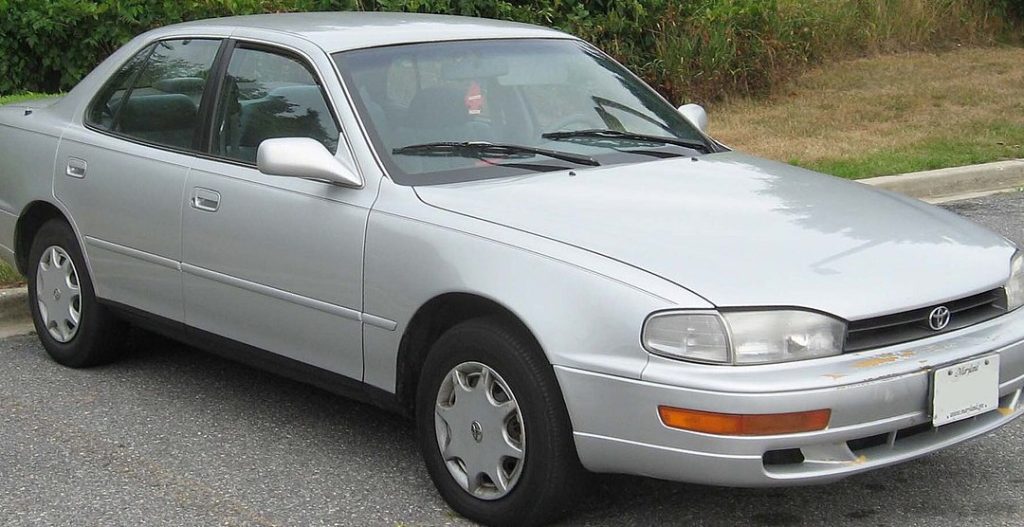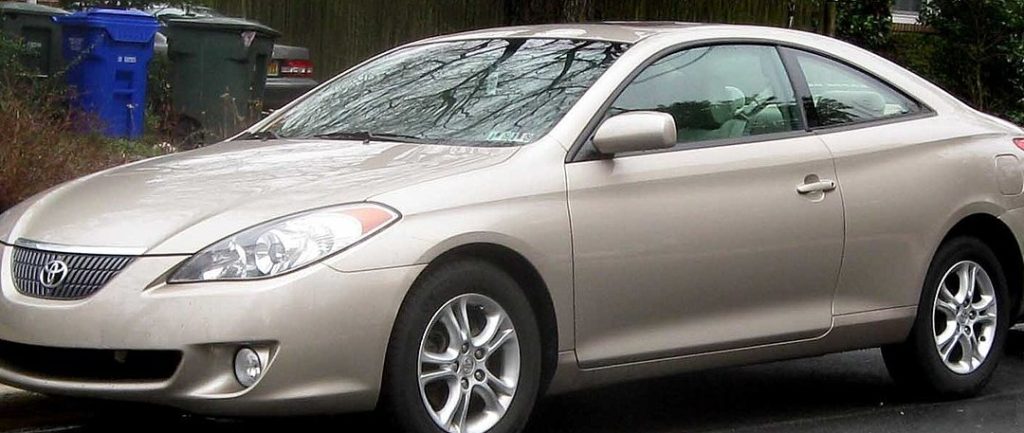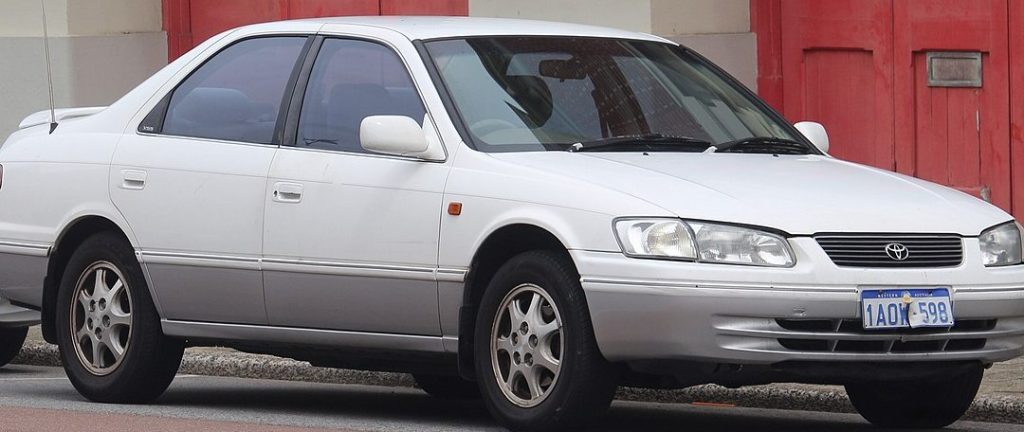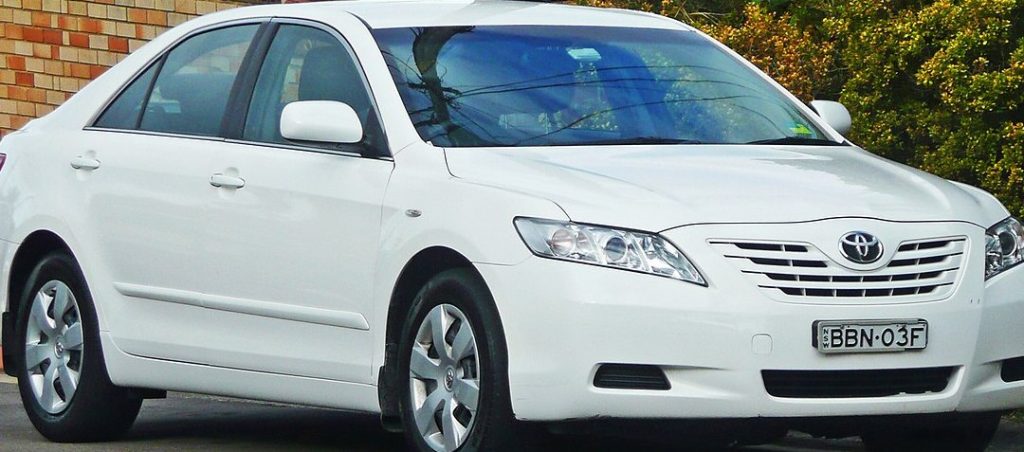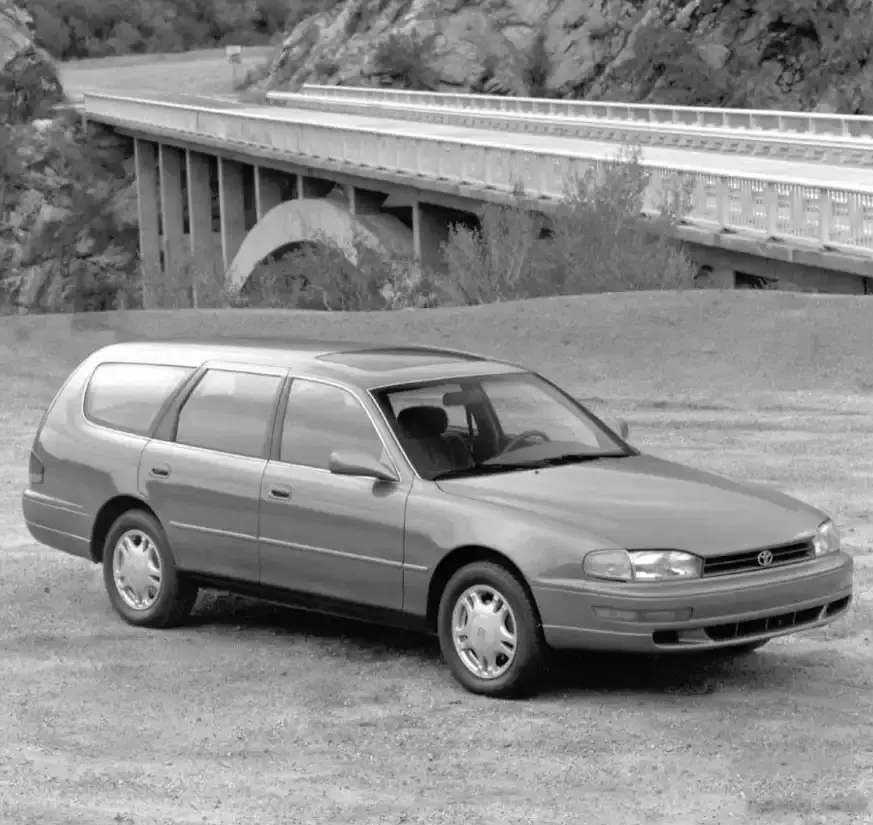
The Toyota Camry III Wagon, specifically the 2.2-liter (136 horsepower) variant with an automatic transmission, was produced between 1992 and 1996. This model, designated as part of the XV10 chassis family, represented Toyota’s entry into the increasingly popular station wagon market, particularly in regions where practicality and family transport were highly valued. In the United States, while the Camry sedan was a dominant force, the wagon offered a more versatile option for buyers needing additional cargo space. This particular configuration occupied a mid-range position within the XV10 wagon lineup, offering a balance between affordability and reasonable performance.
Technical Specifications
| Brand | Toyota |
| Model | Camry |
| Generation | Camry III Wagon (XV10) |
| Type (Engine) | 2.2 (136 Hp) Automatic |
| Start of production | 1992 |
| End of production | 1996 |
| Powertrain Architecture | Internal Combustion engine |
| Body type | Station wagon (estate) |
| Seats | 5 |
| Doors | 5 |
| Fuel consumption (combined) | 9.2 l/100 km (25.6 US mpg, 30.7 UK mpg, 10.9 km/l) |
| Fuel Type | Petrol (Gasoline) |
| Acceleration 0 – 100 km/h | 12.5 sec |
| Acceleration 0 – 62 mph | 12.5 sec |
| Acceleration 0 – 60 mph | 11.9 sec |
| Maximum speed | 185 km/h (114.95 mph) |
| Weight-to-power ratio | 10.5 kg/Hp, 95.3 Hp/tonne |
| Weight-to-torque ratio | 7.3 kg/Nm, 137.4 Nm/tonne |
| Power | 136 Hp @ 5400 rpm |
| Power per litre | 62.8 Hp/l |
| Torque | 196 Nm @ 4200 rpm (144.56 lb.-ft. @ 4200 rpm) |
| Engine layout | Front, Transverse |
| Engine Model/Code | 5S-FE |
| Engine displacement | 2164 cm3 (132.06 cu. in.) |
| Number of cylinders | 4 |
| Engine configuration | Inline |
| Cylinder Bore | 87.1 mm (3.43 in.) |
| Piston Stroke | 90.9 mm (3.58 in.) |
| Compression ratio | 9.7:1 |
| Number of valves per cylinder | 4 |
| Fuel injection system | Multi-port manifold injection |
| Engine aspiration | Naturally aspirated engine |
| Valvetrain | DOHC |
| Engine oil capacity | 3.6 l (3.8 US qt | 3.17 UK qt) |
| Coolant capacity | 6.5 l (6.87 US qt | 5.72 UK qt) |
| Kerb Weight | 1427 kg (3146 lbs.) |
| Max. weight | 2105 kg (4640.73 lbs.) |
| Max load | 678 kg (1494.73 lbs.) |
| Trunk (boot) space – minimum | 533 l (18.82 cu. ft.) |
| Trunk (boot) space – maximum | 843 l (29.77 cu. ft.) |
| Fuel tank capacity | 70 l (18.49 US gal | 15.4 UK gal) |
| Length | 4795 mm (188.78 in.) |
| Width | 1770 mm (69.69 in.) |
| Height | 1490 mm (58.66 in.) |
| Wheelbase | 2620 mm (103.15 in.) |
| Front track | 1545 mm (60.83 in.) |
| Rear track | 1490 mm (58.66 in.) |
| Drivetrain Architecture | Front wheel drive |
| Number of gears | 4 |
| Gearbox type | Automatic transmission |
| Front suspension | Independent, McPherson with coil spring and anti-roll bar |
| Rear suspension | Independent multi-link suspension |
| Front brakes | Ventilated discs |
| Rear brakes | Ventilated discs |
| Assisting systems | ABS (Anti-lock braking system) |
| Steering type | Steering rack and pinion |
| Power steering | Hydraulic |
| Tires size | 205/65 R15 |
| Wheel rims size | 15 |
Powertrain & Engine Architecture
The heart of this Camry wagon variant was the 5S-FE 2.2-liter inline-four engine. This engine was a mainstay of Toyota’s mid-size offerings throughout the 1990s, known for its reliability and relatively smooth operation. The 5S-FE featured a cast iron block and an aluminum cylinder head, incorporating a double overhead camshaft (DOHC) valvetrain with four valves per cylinder. Fuel delivery was handled by a multi-port fuel injection system, contributing to improved fuel efficiency and reduced emissions compared to earlier carbureted designs. The engine produced 136 horsepower at 5400 rpm and 196 Nm (144.56 lb-ft) of torque at 4200 rpm. Paired with a four-speed automatic transmission, the powertrain was designed for comfortable and efficient cruising rather than outright performance.
Driving Characteristics
The 2.2-liter automatic Camry wagon offered a comfortable, if not particularly sporty, driving experience. The automatic transmission, while providing convenience, did detract from the engine’s available power. Acceleration from 0-60 mph took around 11.9 seconds, and top speed was limited to 114.95 mph. The automatic transmission’s gear ratios were tuned for fuel economy and smooth shifts, resulting in a somewhat leisurely pace. Compared to the five-speed manual transmission option, the automatic version felt noticeably slower, especially during overtaking maneuvers. However, the wagon’s suspension provided a compliant ride, absorbing bumps and imperfections in the road effectively.
Equipment & Trim Levels
The 2.2-liter automatic Camry wagon typically came standard with features such as power steering, air conditioning, and an AM/FM stereo. Interior upholstery was usually cloth, with a practical and durable design. Optional extras included power windows and locks, a sunroof, and upgraded audio systems. Trim levels varied depending on the market, but generally, this configuration represented a well-equipped mid-range offering, bridging the gap between the base models and the more luxurious trims.
Chassis & Braking
The XV10 Camry wagon utilized an independent suspension system at all four wheels. The front suspension employed a McPherson strut design with coil springs and an anti-roll bar, while the rear featured an independent multi-link setup. This configuration provided a good balance of ride comfort and handling stability. Braking duties were handled by ventilated disc brakes on all four wheels, supplemented by an Anti-lock Braking System (ABS) to enhance safety. The wagon’s curb weight of 1427 kg (3146 lbs) meant that the braking system needed to work effectively to provide adequate stopping power.
Market Reception & Comparison
The Camry wagon, including the 2.2-liter automatic variant, was generally well-received by critics for its practicality, reliability, and comfortable ride. However, some reviewers noted that the automatic transmission diminished the engine’s performance. Compared to other trims in the lineup, such as those equipped with the more powerful V6 engine, the 2.2-liter automatic offered lower running costs and a more accessible price point. Fuel economy was a strong point, averaging around 25.6 US mpg in combined driving. The 2.2L engine was also considered more reliable than the V6, requiring less frequent and less expensive maintenance.
Legacy
The Toyota Camry III Wagon 2.2 (136 Hp) Automatic has proven to be a remarkably durable vehicle. Many examples are still on the road today, a testament to Toyota’s engineering and build quality. The 5S-FE engine is known for its longevity and relatively simple maintenance requirements. In the used car market, these wagons are often sought after by buyers looking for a reliable and affordable family vehicle. While not a performance icon, this variant represents a practical and dependable choice for those prioritizing comfort, fuel efficiency, and cargo space.