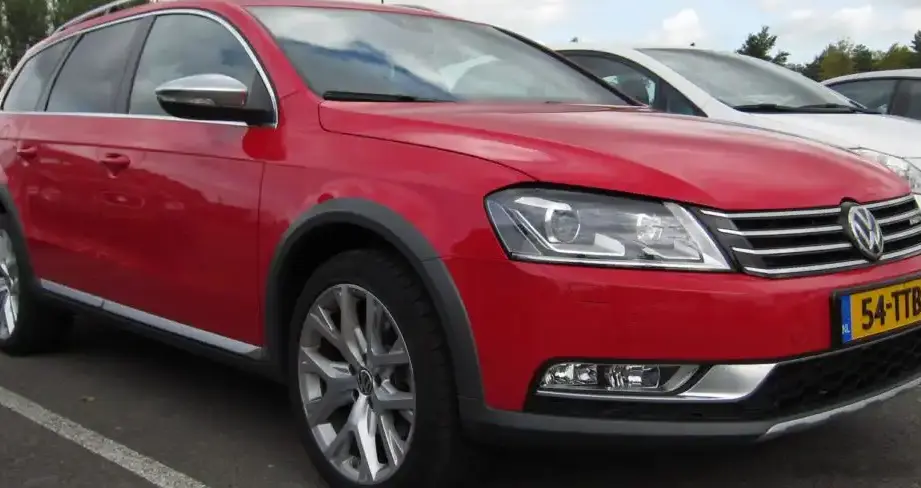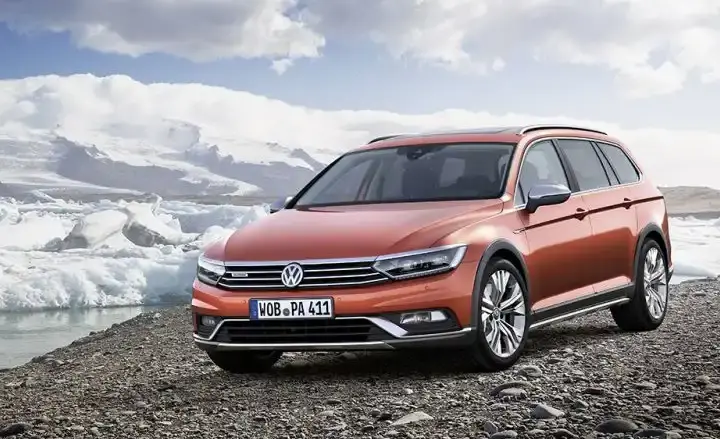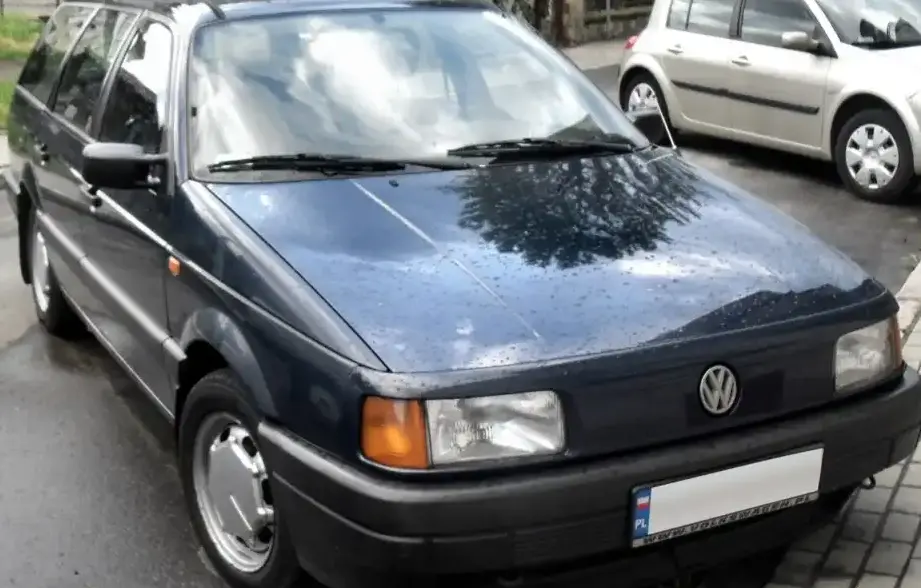
The Volkswagen Passat Variant (B3) 1.8, produced between 1988 and 1990, represents a key iteration within the third generation of Volkswagen’s popular mid-size offering. This variant, a station wagon (estate) body style, was positioned as a practical and relatively affordable option within the B3 Passat lineup, appealing to families and those requiring substantial cargo space. It utilized the naturally aspirated 1.8-liter PF engine, delivering 107 horsepower, and was commonly paired with either a 5-speed manual or a 3-speed automatic transmission. The B3 generation, built on the A3 platform (also shared with the Audi 80/90), marked a significant step forward in terms of design, safety, and overall refinement compared to its predecessor.
Technical Specifications
| Brand | Volkswagen |
| Model | Passat Variant |
| Generation | Passat Variant (B3) |
| Type (Engine) | 1.8 (107 Hp) |
| Start of production | 1988 |
| End of production | 1990 |
| Powertrain Architecture | Internal Combustion engine |
| Body type | Station wagon (estate) |
| Fuel Type | Petrol (Gasoline) |
| Power | 107 Hp |
| Engine Model/Code | PF |
| Engine aspiration | Naturally aspirated engine |
| Engine oil capacity | 4 l (4.23 US qt | 3.52 UK qt) |
| Coolant capacity | 5 l (5.28 US qt | 4.4 UK qt) |
Powertrain & Engine Architecture
The heart of the Passat Variant 1.8 is the Volkswagen PF engine, a 1781cc inline four-cylinder unit. This engine is a single overhead camshaft (SOHC) design, featuring two valves per cylinder. Fuel delivery is managed by Bosch mechanical fuel injection – a system common for the era, providing reliable, if not particularly sophisticated, fuel atomization. The PF engine is known for its relative simplicity and durability, though it lacks the performance potential of later, more advanced Volkswagen engines. The engine’s block is cast iron, contributing to its robustness, while the cylinder head is aluminum. The 3-speed automatic transmission, typically a ZF unit, was a popular choice for buyers prioritizing ease of use over outright performance. This transmission featured a torque converter and relatively widely spaced gear ratios, optimized for fuel economy and comfortable cruising rather than spirited acceleration. The automatic transmission was not known for being particularly quick-shifting, and its operation could feel somewhat sluggish compared to manual counterparts.
Driving Characteristics
The 1.8-liter engine, producing 107 horsepower and approximately 109 lb-ft of torque, provided adequate, but not exhilarating, performance in the Passat Variant. Acceleration from 0 to 60 mph was typically in the 11-12 second range, depending on the transmission and vehicle load. The automatic transmission further dampened acceleration, prioritizing smooth shifts over rapid response. In real-world driving, the 1.8L automatic Passat Variant felt most comfortable at highway speeds, where the engine could operate efficiently and quietly. The gear ratios of the 3-speed automatic were geared towards maintaining lower engine speeds at cruising velocities. Compared to the more powerful 1.8L 16V or the VR6 variants, the 1.8 offered a significantly more relaxed driving experience. The manual transmission version of the 1.8 offered a more engaging drive, allowing the driver to better utilize the engine’s available power, but still didn’t match the performance of the higher-spec models. Handling was typical for a station wagon of the period – competent and predictable, but not particularly sporty.
Equipment & Trim Levels
The Passat Variant 1.8 typically occupied a mid-range position within the B3 lineup. Standard equipment generally included power steering, central locking, and a basic stereo system. Interior upholstery was typically cloth, with a durable and practical design. Dashboard configuration was relatively straightforward, with clearly marked gauges and easy-to-use controls. Optional extras included power windows, a sunroof, upgraded stereo systems, and alloy wheels. Higher trim levels, often denoted by additional badging, offered more luxurious interior appointments, such as upgraded upholstery and wood trim. The Passat Variant 1.8 was often seen as a sensible choice for families, and as such, options like rear seat headrests and child safety locks were commonly specified. Air conditioning was a popular, though not standard, option.
Chassis & Braking
The B3 Passat Variant featured an independent suspension system at the front, utilizing MacPherson struts and a stabilizer bar. The rear suspension employed a semi-independent torsion beam axle, a cost-effective and space-saving design. Braking systems varied depending on the specific market and trim level. Lower-spec models typically featured drum brakes on the rear wheels, while higher-spec models were equipped with disc brakes all around. Front brakes were typically ventilated discs. The braking system was generally adequate for the vehicle’s weight and performance, but lacked the stopping power of more modern systems. Stabilizer bar thickness was relatively modest, contributing to a comfortable ride but limiting cornering agility. Steering was power-assisted, providing relatively light and easy steering effort.
Market Reception & Comparison
The Passat Variant 1.8 was generally well-received by automotive critics as a practical and reliable family vehicle. It was praised for its spacious interior, comfortable ride, and relatively fuel-efficient engine. However, it was often criticized for its lack of outright performance, particularly when equipped with the automatic transmission. Compared to the more powerful VR6 variant, the 1.8 offered significantly less acceleration and overall driving excitement. However, the 1.8 was considerably more affordable to purchase and maintain. Fuel economy was a strong point for the 1.8, typically achieving around 25-30 mpg in mixed driving conditions. The 1.8 also proved to be more reliable than the more complex VR6 engine, requiring less frequent and less expensive maintenance. Compared to the diesel variants (such as the 1.9 TDI which came later), the 1.8 offered a quieter and smoother driving experience, but at the expense of fuel economy.
Legacy
The Volkswagen Passat Variant (B3) 1.8, particularly with the automatic transmission, has proven to be a surprisingly durable and long-lasting vehicle. Many examples are still on the road today, a testament to the quality of Volkswagen engineering and the robustness of the PF engine. While not highly sought after by collectors, well-maintained examples command reasonable prices in the used car market. The PF engine is known for its relative simplicity, making it relatively easy and inexpensive to repair. However, age-related issues, such as corrosion and wear on rubber components, are common. The 3-speed automatic transmission, while reliable, can exhibit signs of wear and tear over time, potentially leading to slipping or harsh shifting. Overall, the Passat Variant 1.8 remains a practical and affordable option for those seeking a classic European station wagon.