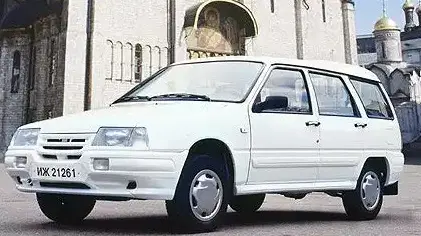
The Izh 21261 4×4 1.6, produced between 2002 and 2005, represents a final evolution of the long-running Izh Kombi series, originating from the Soviet-era Moskvitch lineage. This particular variant, equipped with a 1.6-liter engine producing 74 horsepower, was positioned as a utilitarian, all-wheel-drive station wagon aimed at providing affordable transportation in challenging conditions. It was primarily sold within Russia and neighboring countries, serving as a workhorse vehicle for rural areas and those requiring all-weather capability. The 21261 4×4 was a product of the Izhevsk Automobile Plant (IzhAvto), continuing a tradition of rugged, if somewhat basic, vehicles.
Technical Specifications
| Brand | Izh |
| Model | 21261 |
| Generation | 21261 4×4 |
| Type (Engine) | 1.6 (74 Hp) |
| Start of production | 2002 |
| End of production | 2005 |
| Powertrain Architecture | Internal Combustion engine |
| Body type | Station wagon (estate) |
| Seats | 5 |
| Doors | 5 |
| Fuel consumption (combined) | 10.2 l/100 km (23.1 US mpg, 27.7 UK mpg, 9.8 km/l) |
| Fuel Type | Petrol (Gasoline) |
| Acceleration 0 – 100 km/h | 13 sec |
| Acceleration 0 – 62 mph | 13 sec |
| Acceleration 0 – 60 mph | 12.4 sec |
| Weight-to-power ratio | 14.7 kg/Hp, 67.9 Hp/tonne |
| Weight-to-torque ratio | 9.5 kg/Nm, 105.5 Nm/tonne |
| Power | 74 Hp @ 5400 rpm |
| Power per litre | 47.2 Hp/l |
| Torque | 115 Nm @ 3400 rpm (84.82 lb.-ft. @ 3400 rpm) |
| Engine layout | Front, Longitudinal |
| Engine displacement | 1569 cm3 (95.75 cu. in.) |
| Number of cylinders | 4 |
| Engine configuration | Inline |
| Number of valves per cylinder | 2 |
| Fuel injection system | Carburettor |
| Engine aspiration | Naturally aspirated engine |
| Valvetrain | OHC |
| Kerb Weight | 1090 kg (2403.04 lbs.) |
| Trunk (boot) space – minimum | 320 l (11.3 cu. ft.) |
| Trunk (boot) space – maximum | 1890 l (66.74 cu. ft.) |
| Fuel tank capacity | 50 l (13.21 US gal | 11 UK gal) |
| Length | 4053 mm (159.57 in.) |
| Width | 1660 mm (65.35 in.) |
| Height | 1450 mm (57.09 in.) |
| Wheelbase | 2470 mm (97.24 in.) |
| Front track | 1390 mm (54.72 in.) |
| Rear (Back) track | 1390 mm (54.72 in.) |
| Drive wheel | All wheel drive (4×4) |
| Number of gears and type of gearbox | 5 gears, manual transmission |
| Front suspension | Spring Strut |
| Rear suspension | Coil spring |
| Front brakes | Disc |
| Rear brakes | Drum |
| Assisting systems | ABS (Anti-lock braking system) |
| Steering type | Steering rack and pinion |
| Tires size | 175/70 R13 |
Powertrain & Engine Architecture
The Izh 21261 4×4 1.6 utilized a relatively simple, carbureted 1.6-liter inline-four engine. This engine, often referred to by its internal codes (though specific codes varied slightly depending on the year), was a descendant of designs originally developed by Moskvitch. The engine featured an overhead camshaft (OHC) valvetrain with two valves per cylinder. The carbureted fuel system, while common for its time, was a significant drawback in terms of fuel efficiency and emissions compared to more modern fuel injection systems. The engine produced 74 horsepower at 5400 rpm and 115 Nm (84.82 lb-ft) of torque at 3400 rpm. The engine was mounted longitudinally in the front of the vehicle. The five-speed manual transmission was the only gearbox option available, and it was a fairly robust unit, though not particularly refined.
Driving Characteristics
The driving experience in the Izh 21261 4×4 1.6 was characterized by its utilitarian nature. With only 74 horsepower propelling a vehicle weighing over 1090 kg (2400 lbs), acceleration was slow, taking approximately 13 seconds to reach 60 mph. The carbureted engine delivered power in a relatively narrow band, requiring frequent gear changes to maintain momentum. The all-wheel-drive system provided enhanced traction on loose surfaces, making it suitable for off-road use and winter driving. However, the steering was vague, and the suspension, while adequate, offered a somewhat harsh ride. Compared to potential upgrades or later models, this 1.6L engine was the base offering, lacking the performance of any potential fuel-injected variants that may have been considered but never materialized.
Equipment & Trim Levels
The Izh 21261 4×4 1.6 was sparsely equipped, reflecting its affordability and intended purpose. Standard features typically included basic steel wheels, cloth upholstery, and a simple dashboard layout. Power steering and air conditioning were not available, even as options. The interior was functional but lacked any significant comfort or aesthetic features. Optional extras were limited, often consisting of upgraded seat covers or a basic radio. The trim level was essentially a single specification, with minimal variation in features.
Chassis & Braking
The chassis of the Izh 21261 4×4 1.6 was a body-on-frame construction, providing robustness and durability. The front suspension utilized a spring strut setup, while the rear employed a coil spring arrangement. The braking system consisted of disc brakes on the front wheels and drum brakes on the rear. An anti-lock braking system (ABS) was included as standard, a relatively uncommon feature for vehicles in this price range at the time. The tires were typically 175/70 R13, chosen for their affordability and suitability for a variety of road conditions.
Market Reception & Comparison
The Izh 21261 4×4 1.6 was not subject to extensive critical review in Western automotive publications. However, within its primary market, it was generally regarded as a practical and affordable vehicle, particularly for those needing all-wheel-drive capability. Its fuel economy of 10.2 l/100 km (23.1 US mpg) was typical for vehicles of its type and era, but it was less efficient than more modern alternatives. Reliability was generally good, owing to the simplicity of the design, but maintenance could be frequent due to the carbureted engine and basic components. Compared to other vehicles available in the Russian market at the time, such as the Lada Niva, the Izh 21261 4×4 offered a larger cargo capacity and a more car-like driving experience, albeit with less off-road prowess.
Legacy
The Izh 21261 4×4 1.6 represents a final chapter in the history of the Izh Automobile Plant. While not a technologically advanced vehicle, it served a vital role in providing affordable transportation to a wide range of customers. Today, the Izh 21261 4×4 is a relatively rare sight, but it has gained a following among enthusiasts of classic Soviet-era vehicles. The simplicity of the powertrain makes it relatively easy to maintain, and spare parts are still available, though sourcing them can be challenging. The 1.6L engine, while underpowered by modern standards, is known for its durability. The vehicle’s enduring appeal lies in its ruggedness, practicality, and historical significance as a symbol of a bygone era.