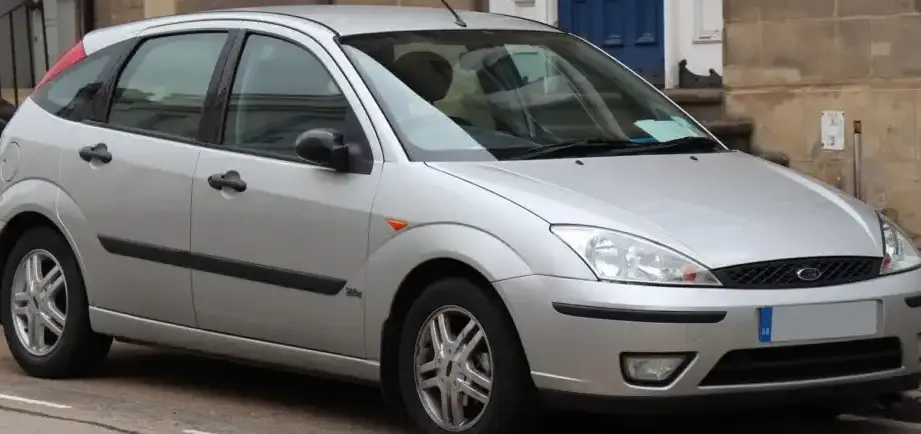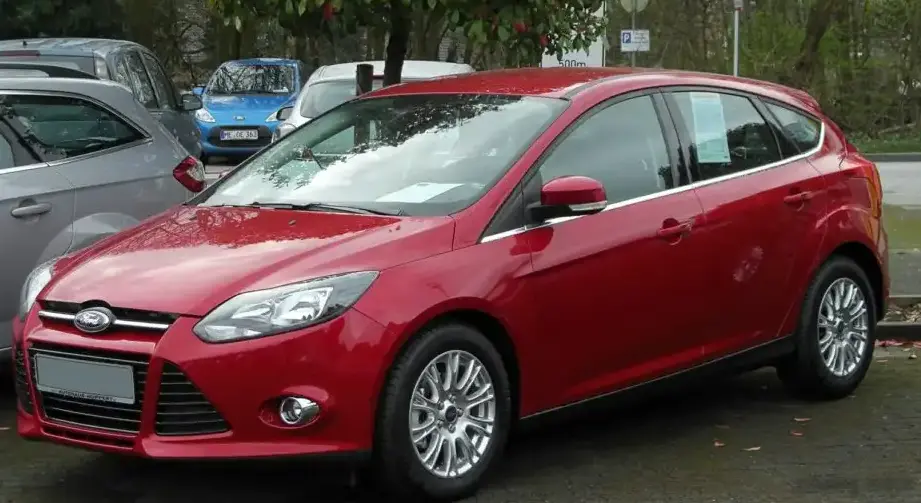
The Ford Focus III Hatchback 2.0 TDCi (163 hp) Powershift, produced between 2010 and 2014, represents a significant iteration of Ford’s globally successful compact car. Positioned as a mid-to-upper trim level within the Focus III range, this variant aimed to deliver a blend of fuel efficiency, performance, and convenience through its turbocharged diesel engine and dual-clutch automatic transmission. It was primarily marketed in Europe, where diesel engines and automatic transmissions were – and continue to be – highly popular, offering a compelling alternative to gasoline-powered options and manual gearboxes. The Focus III, built on the C170 platform (internally designated as the 1HX0), aimed to improve upon its predecessor with enhanced refinement, technology, and driving dynamics.
| Brand | Ford |
| Model | Focus |
| Generation | Focus III Hatchback |
| Type (Engine) | 2.0 TDCi (163 Hp) Powershift |
| Start of production | 2010 |
| End of production | 2014 |
| Powertrain Architecture | Internal Combustion engine |
| Body type | Hatchback |
| Seats | 5 |
| Doors | 5 |
| Fuel consumption (urban) | 6.6 l/100 km (35.6 US mpg, 42.8 UK mpg, 15.2 km/l) |
| Fuel consumption (extra urban) | 4.3 l/100 km (54.7 US mpg, 65.7 UK mpg, 23.3 km/l) |
| Fuel consumption (combined) | 5.2 l/100 km (45.2 US mpg, 54.3 UK mpg, 19.2 km/l) |
| Fuel Type | Diesel |
| Acceleration 0 – 100 km/h | 8.9 sec |
| Acceleration 0 – 62 mph | 8.9 sec |
| Acceleration 0 – 60 mph | 8.5 sec |
| Maximum speed | 215 km/h (133.59 mph) |
| Power | 163 Hp |
| Engine layout | Front, Transverse |
| Engine Model/Code | TXDB |
| Engine configuration | Inline |
| Fuel injection system | Diesel Commonrail |
| Engine aspiration | Turbocharger, Intercooler |
| Engine oil capacity | 5.7 l (6.02 US qt, 5.02 UK qt) |
| Coolant capacity | 8.5 l (8.98 US qt, 7.48 UK qt) |
| Drivetrain | Front wheel drive |
| Number of gears | 6 |
| Gearbox type | Automatic transmission |
| Assisting systems | ABS (Anti-lock braking system) |
| Steering type | Steering rack and pinion |
Powertrain & Engine Architecture
The heart of this Focus variant is the 2.0-liter TDCi diesel engine, identified by the TXDB engine code. This engine belongs to Ford’s Duratorque family, known for its robust construction and relatively good fuel economy. The TXDB features a common-rail direct injection system, delivering fuel at extremely high pressures for optimized combustion. A turbocharger with an intercooler is employed to increase power output and improve torque across the engine’s operating range. The engine utilizes four valves per cylinder (DOHC) and benefits from variable geometry turbocharging (VGT) to enhance responsiveness and reduce turbo lag. The Powershift transmission is a six-speed dual-clutch transmission (DCT), essentially two manual transmissions operating in parallel. This design allows for quick, seamless gear changes and contributes to improved fuel efficiency compared to traditional automatic transmissions. The Powershift unit, manufactured by Getrag, is known for its efficiency but has also been subject to some reliability concerns, particularly regarding clutch pack wear.
Driving Characteristics
The 2.0 TDCi Powershift Focus offers a noticeably more relaxed driving experience compared to lower-powered variants or those equipped with manual transmissions. The 163 hp output, coupled with a healthy dose of torque (approximately 258 lb-ft), provides ample power for everyday driving and confident overtaking maneuvers. The Powershift transmission shifts quickly and smoothly, especially in automatic mode. While not a sports car, the Focus III 2.0 TDCi delivers respectable acceleration, achieving 0-60 mph in around 8.5 seconds. The gear ratios are tuned for a balance between fuel economy and performance, with taller gearing in higher gears for efficient cruising. Compared to the 1.6-liter TDCi models, the 2.0-liter offers significantly more power and torque, resulting in a more effortless driving experience, particularly when fully loaded or on inclines. However, the 2.0 TDCi is not as nimble or fuel-efficient as the smaller-displacement engines.
Equipment & Trim Levels
The 2.0 TDCi Powershift typically came in higher trim levels, such as Titanium or Zetec, depending on the specific market. Standard equipment generally included air conditioning, power windows, power mirrors, a CD/MP3 stereo system, and alloy wheels. Higher trims added features like automatic headlights and rain-sensing wipers, a rear parking sensor, and a more sophisticated infotainment system. Interior upholstery was typically cloth, with leather options available as an upgrade. Optional extras included a panoramic sunroof, navigation system, and premium sound system. The dashboard layout was generally consistent across the Focus III range, featuring a user-friendly design with logically placed controls.
Chassis & Braking
The Focus III utilizes an independent front suspension with MacPherson struts and a multi-link rear suspension. This setup provides a good balance between ride comfort and handling precision. The 2.0 TDCi models generally featured slightly stiffer suspension components compared to lower-powered variants to cope with the increased weight and power. Braking systems varied depending on the trim level, but typically included front disc brakes and rear disc or drum brakes. Anti-lock Braking System (ABS) was standard, along with Electronic Brakeforce Distribution (EBD). Stabilizer bars were fitted to both the front and rear axles to reduce body roll during cornering.
Market Reception & Comparison
The Ford Focus III 2.0 TDCi Powershift was generally well-received by automotive critics. It was praised for its refined engine, comfortable ride, and efficient transmission. However, the Powershift transmission received some criticism due to reported reliability issues, particularly concerning clutch pack wear and occasional jerky shifts. Compared to the 1.6-liter TDCi models, the 2.0-liter offered a significant performance upgrade but at the cost of slightly lower fuel economy. Against competitors like the Volkswagen Golf, Opel Astra, and Peugeot 308, the Focus III 2.0 TDCi Powershift offered a competitive package in terms of performance, features, and price.
Legacy
The 2.0 TDCi Powershift powertrain has proven to be relatively durable, although the Powershift transmission remains a potential weak point. Proper maintenance, including regular transmission fluid changes, is crucial to maximizing the lifespan of the gearbox. In the used car market, these Focus models represent a good value proposition, offering a blend of practicality, efficiency, and performance. However, potential buyers should be aware of the potential transmission issues and thoroughly inspect the vehicle before purchase. The Focus III, overall, cemented Ford’s reputation for building competent and well-rounded compact cars, and the 2.0 TDCi Powershift variant remains a popular choice for those seeking a refined and efficient diesel hatchback.