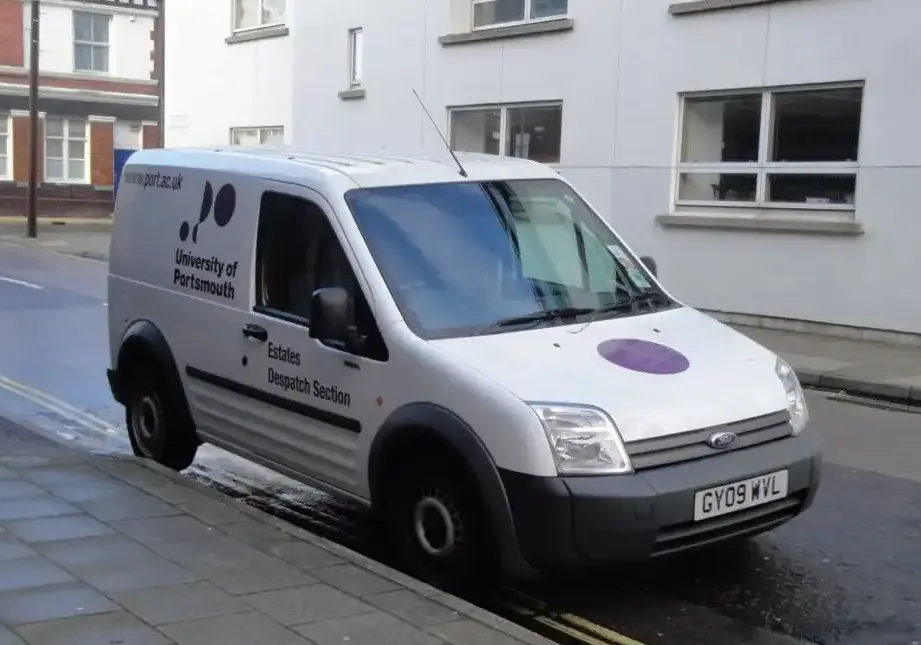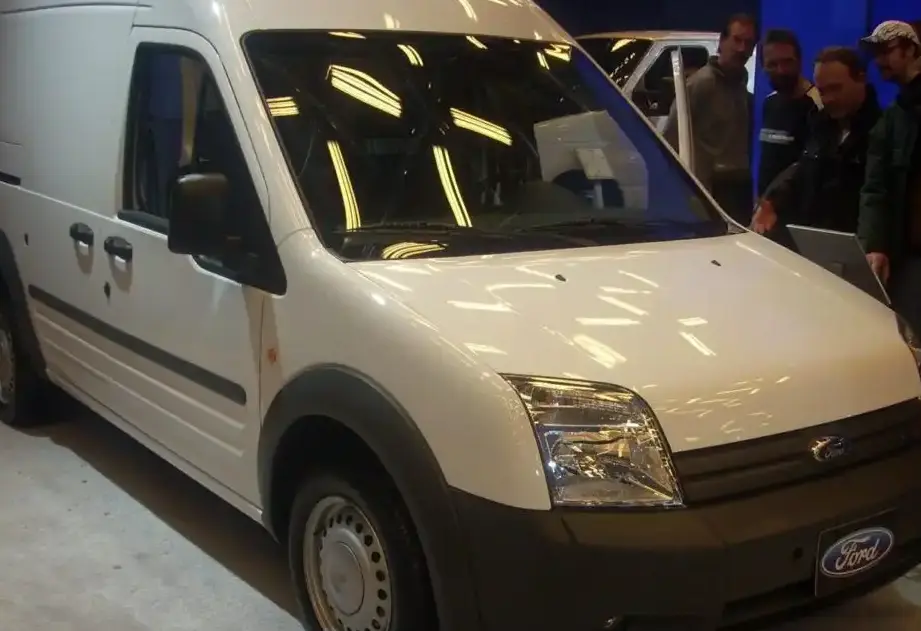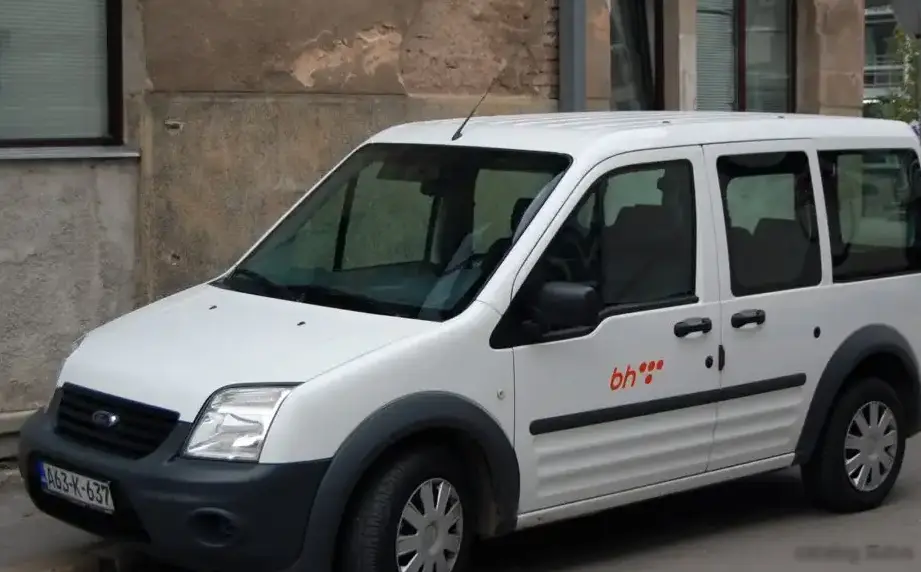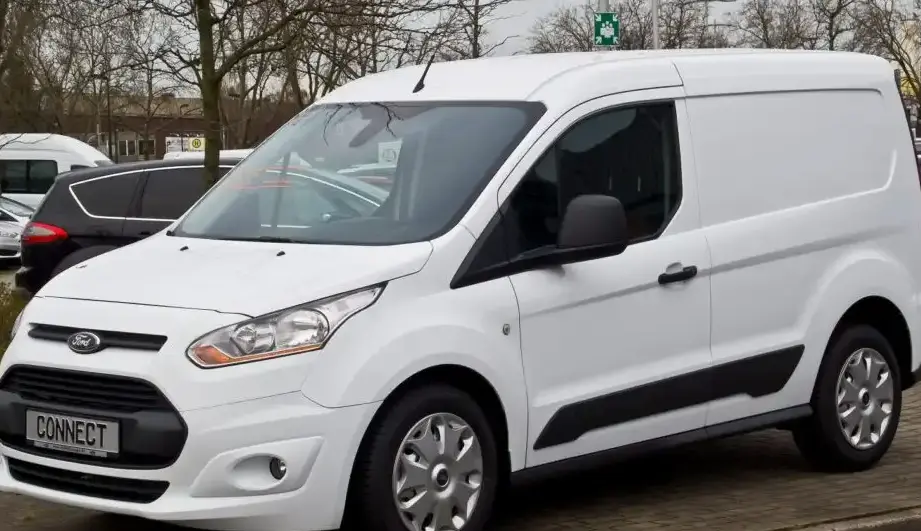
The Ford Transit Connect II Panel Van L1 1.6 TDCi ECOnetic (95 horsepower) Start-Stop was a commercially-focused vehicle produced between 2013 and 2015. It represented a key variant within the second generation of the Transit Connect, a compact van designed primarily for the European market, but increasingly available in North America. This specific configuration – the 1.6-liter turbodiesel paired with a manual transmission and ‘ECOnetic’ fuel-saving technologies – aimed to provide a balance of affordability, fuel efficiency, and practicality for small businesses and tradespeople. The L1 designation indicates the short wheelbase version of the van.
Technical Specifications
| Brand | Ford |
| Model | Transit Connect |
| Generation | Transit Connect II Panel Van L1 |
| Type (Engine) | 1.6 TDCi ECOnetic (95 Hp) Start-Stop |
| Start of production | 2013 |
| End of production | 2015 |
| Powertrain Architecture | Internal Combustion engine |
| Body type | Minivan |
| Seats | 2-3 |
| Doors | 4-5 |
| Fuel consumption (urban) | 4.5 l/100 km (58.8 US mpg, 70.6 UK mpg, 25 km/l) |
| Fuel consumption (extra urban) | 3.7 l/100 km (63.6 US mpg, 76.3 UK mpg, 27 km/l) |
| Fuel consumption (combined) | 4 l/100 km (58.8 US mpg, 70.6 UK mpg, 25 km/l) |
| CO2 emissions | 105 g/km |
| Fuel Type | Diesel |
| Maximum speed | 100 km/h (62.14 mph) – Electronically limited |
| Emission standard | Euro 5 |
| Weight-to-power ratio | 14.4 kg/Hp |
| Weight-to-torque ratio | 6 kg/Nm |
| Power | 95 Hp @ 3600 rpm |
| Torque | 230 Nm @ 1500-2000 rpm (169.64 lb.-ft. @ 1500-2000 rpm) |
| Engine layout | Front, Transverse |
| Engine Model/Code | Duratorq / TZGA, TZGB |
| Engine displacement | 1560 cm3 (95.2 cu. in.) |
| Number of cylinders | 4 |
| Engine configuration | Inline |
| Cylinder Bore | 75 mm (2.95 in.) |
| Piston Stroke | 88.3 mm (3.48 in.) |
| Compression ratio | 16:1 |
| Number of valves per cylinder | 2 |
| Fuel injection system | Diesel Commonrail |
| Engine aspiration | Turbocharger, Intercooler |
| Valvetrain | SOHC |
| Engine oil capacity | 6.2 l (6.55 US qt | 5.46 UK qt) |
| Coolant capacity | 7.3 l (7.71 US qt | 6.42 UK qt) |
| Kerb Weight | 1371 kg (3022.54 lbs.) |
| Max. weight | 2015 kg (4442.31 lbs.) |
| Max load | 644 kg (1419.78 lbs.) |
| Trunk (boot) space – minimum | 2630 l (92.88 cu. ft.) |
| Trunk (boot) space – maximum | 3700 l (130.66 cu. ft.) |
| Fuel tank capacity | 60 l (15.85 US gal | 13.2 UK gal) |
| Length | 4418 mm (173.94 in.) |
| Width | 1835 mm (72.24 in.) |
| Width including mirrors | 2137 mm (84.13 in.) |
| Height | 1861 mm (73.27 in.) |
| Wheelbase | 2662 mm (104.8 in.) |
| Front track | 1568 mm (61.73 in.) |
| Rear track | 1584-1585 mm (62.36 – 62.4 in.) |
| Front overhang | 878 mm (34.57 in.) |
| Rear overhang | 878 mm (34.57 in.) |
| Ride height (ground clearance) | 152 mm (5.98 in.) |
| Minimum turning circle | 11.7 m (38.39 ft.) |
| Drivetrain | Front wheel drive |
| Number of gears | 5 |
| Gearbox type | Manual transmission |
| Front suspension | Independent, McPherson with coil spring and anti-roll bar |
| Rear suspension | Coil spring, Torsion |
| Front brakes | Ventilated discs, 300 mm |
| Rear brakes | Disc, 280 mm |
| Assisting systems | ABS (Anti-lock braking system) |
| Steering type | Steering rack and pinion |
| Power steering | Electric |
| Tires size | 205/60 R16 |
| Wheel rims size | 6.5J x 16 |
INTRODUCTION
The Ford Transit Connect II, launched in 2013, represented a significant step forward for Ford’s compact van offerings. Built on the global C1 platform (also known as the 1HX0/A3 platform shared with the Ford Focus and C-Max), it offered a more refined driving experience and improved fuel economy compared to its predecessor. The 1.6 TDCi ECOnetic 95 hp variant was positioned as the entry-level engine option, targeting budget-conscious buyers and those prioritizing fuel efficiency over outright performance. It was a popular choice for urban delivery services, mobile tradespeople, and small businesses needing a versatile and economical cargo solution.
Powertrain & Engine Architecture
At the heart of this Transit Connect variant lies the Ford Duratorq 1.6-liter TDCi diesel engine, specifically coded TZGA or TZGB depending on minor variations. This engine is a four-cylinder, inline configuration featuring a single overhead camshaft (SOHC) and utilizing a turbocharger with intercooling to boost power and efficiency. The engine employs a common rail direct fuel injection system, delivering fuel directly into the combustion chamber at high pressure for optimized combustion. The Start-Stop system, a key component of the ‘ECOnetic’ package, automatically shuts off the engine when the vehicle is stationary (e.g., at traffic lights) to reduce fuel consumption and emissions. The engine produces 95 horsepower at 3600 rpm and 230 Nm (169.64 lb-ft) of torque between 1500 and 2000 rpm. This power is delivered to the front wheels through a five-speed manual transmission. The transmission’s gear ratios were tuned for economy, with a relatively tall final drive to maximize fuel efficiency at highway speeds.
Driving Characteristics
The 1.6 TDCi 95 hp engine, while adequate for typical urban and suburban driving, wasn’t known for its blistering acceleration. The van’s weight and the engine’s modest output resulted in a 0-60 mph time of around 14-15 seconds. However, the engine’s torque delivery, peaking at low revs, provided sufficient pulling power for loaded cargo. The manual transmission allowed drivers to maintain optimal engine speed for the load and terrain. Compared to higher-output versions of the Transit Connect (like those with the 1.6 TDCi 115 hp engine), this variant felt noticeably slower, particularly when fully loaded or climbing hills. The manual gearbox also offered a more engaging driving experience than the optional automatic transmission available on other trims. The ECOnetic features, while improving fuel economy, could sometimes result in a slightly sluggish throttle response.
Equipment & Trim Levels
The 1.6 TDCi ECOnetic 95 hp variant typically came with a relatively basic level of equipment, reflecting its position as the entry-level model. Standard features generally included power steering, ABS brakes, a driver’s airbag, and basic steel wheels. The interior was functional and durable, with hard-wearing plastic trim and cloth upholstery. Optional extras included air conditioning, a radio/CD player, electric windows, and upgraded security features. Higher trim levels offered more luxurious appointments, such as alloy wheels, upgraded interior trim, and advanced infotainment systems, but these were not typically paired with the 95 hp engine.
Chassis & Braking
The Transit Connect II utilized a McPherson strut independent suspension at the front and a semi-independent torsion beam suspension at the rear. This setup provided a reasonable balance of ride comfort and handling. The front brakes were ventilated discs, while the rear brakes were solid discs. ABS (Anti-lock Braking System) was standard. The suspension was tuned to prioritize ride comfort over sporty handling, reflecting the van’s commercial focus. Stabilizer bars were fitted to both the front and rear axles to reduce body roll during cornering.
Market Reception & Comparison
The 1.6 TDCi ECOnetic 95 hp Transit Connect was generally well-received by critics for its fuel efficiency and practicality. However, some reviewers noted its lack of power, particularly when fully loaded. Compared to the 1.6 TDCi 115 hp version, the 95 hp model offered significantly lower running costs but at the expense of performance. The 1.6 TDCi ECOnetic was also often compared to similar vans from competitors like Volkswagen (Caddy) and Citroën (Berlingo), often holding its own in terms of fuel economy and value for money. Its relatively low purchase price made it an attractive option for small businesses.
Legacy
The 1.6 TDCi Duratorq engine, in various iterations, proved to be a relatively reliable powertrain. However, like all diesel engines, it’s susceptible to issues related to the diesel particulate filter (DPF) if not properly maintained and used for predominantly short journeys. The Start-Stop system can also be a potential source of problems if the battery is not in good condition. In the used car market, the 1.6 TDCi ECOnetic 95 hp Transit Connect remains a popular choice for budget-conscious buyers seeking a practical and economical van. Its simplicity and relatively low running costs continue to make it a viable option for small businesses and tradespeople.